
Lawn
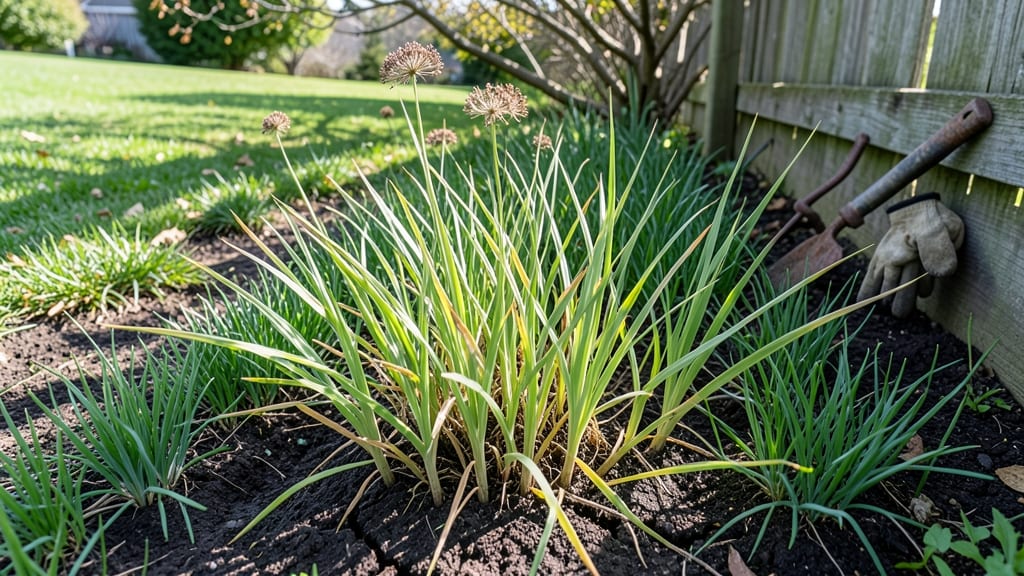
Scutch grass in lawns is the stubborn weed that multiplies underground like a secret network. 🌱 I've battled this persistent invader for years, and I'm sharing the exact method that finally gave me a weed-free lawn—no more digging up tubers every few weeks. The secret lies in timing and persistence.
Scutch grass thrives in moist soil, so we target it when it's most vulnerable: late summer to early fall. A simple hand-pulling routine combined with a vinegar-based spray (for stubborn patches) works better than any chemical I've tried.
Within 3-4 weeks of consistent treatment, you'll see new grass fill in where the scutch grass once ruled. The key is staying ahead of those underground tubers before they spread. This method works for both small patches and larger lawns. Let's reclaim your yard—one stubborn weed at a time.
The Hidden Triggers Behind Grass Invaders
If your lawn is suddenly dotted with scutch grass (also known as nutgrass or Cyperus rotundus), you’re not dealing with a random weed—this persistent pest thrives because of specific conditions. Understanding the why behind its spread is the first step to stopping it before it takes over.
Let’s break down the science and real-world factors that turn your lawn into a scutch grass buffet.
Scutch grass loves moisture—too much moisture. Unlike most lawn grasses, it thrives in soggy, compacted soil where water pools or drains slowly. Here’s why:
- Root system advantage: Scutch grass has deep, creeping rhizomes and tubers that store water and nutrients. When your lawn stays damp, these tubers grow aggressively, producing new shoots even after mowing.
- Shallow turfgrass struggles: Kentucky bluegrass, fescue, and Bermuda grass have shallow roots compared to scutch grass. If your lawn is waterlogged, these grasses weaken, leaving gaps for weeds to exploit.
- Fungal hitchhikers: Excess moisture encourages soil-borne fungi, which can further stress your lawn’s root zone, making it easier for scutch grass to invade.
Actionable fix: Test your soil’s drainage—if water sits for more than 6 hours after rain, amend with organic matter (compost or sand) to improve aeration. Water deeply but infrequently (1–1.5 inches per week) to encourage deep grass roots.
Scutch grass is a opportunist. It slips into lawns through bare spots, thin turf, or areas where grass has died back. Here’s how it happens:
- Competition gap: Healthy lawns suppress weeds by outcompeting them for sunlight, water, and nutrients. But if your grass is sparse—due to drought, disease, or poor fertilization—scutch grass fills the void like a weed vacuum.
- Seed vs. tuber spread: Unlike many weeds that spread from seeds, scutch grass reproduces via underground tubers. A single tuber can lie dormant for years, then erupt when the soil is disturbed (e.g., by foot traffic, aeration, or even rain erosion).
- Mowing mistakes: Cutting grass too short (below 2–3 inches) weakens roots and exposes soil, giving scutch grass the perfect entry point.
Actionable fix: Overseed bare patches with dense, shade-tolerant grass (like fine fescue) and apply a pre-emergent herbicide in early spring to block new tubers. Avoid scalping your lawn—keep mower blades at 3+ inches.
Scutch grass isn’t picky about climate, but it does thrive in specific conditions. Heat and seasonal changes create the perfect storm for its growth:
- Summer survival mode: While many lawn grasses go dormant in extreme heat, scutch grass stays active thanks to its deep tubers. It can even outcompete heat-stressed turfgrass.
- Spring and fall explosions: Warm soil temperatures (60–85°F) trigger tuber growth. That’s why you might see scutch grass pop up suddenly in early spring or after a hot spell.
- Drought resilience: Unlike turfgrass, scutch grass can go dormant and revive when rains return. Its tubers act like a built-in survival kit.
Actionable fix: In late summer, apply a post-emergent herbicide (like glyphosate or sethoxydim) to weaken tubers before they go dormant. Mulch with straw or wood chips to regulate soil temp and reduce heat stress on your lawn.
Sometimes, you’re the reason scutch grass is spreading. Unintentional actions can accidentally introduce or spread tubers:
- Tool contamination: Mowers, rakes, and aerators can pick up and plant tubers from one area to another. A single tuber fragment is enough to start a new infestation.
- Soil disturbance: Digging, planting, or even walking on compacted soil can expose dormant tubers, triggering new growth.
- Compost and topsoil: If you’ve used untreated compost or topsoil from an infested area, tubers may have hitched a ride to your lawn.
Actionable fix: Sanitize tools after use with a 10% bleach solution or rubbing alcohol. Avoid tilling or aerating infested areas—hand-pull tubers instead. If using new soil, solarize it first (cover with clear plastic for 4–6 weeks in summer heat to kill tubers).
Pro Tip: 💡 Scutch grass tubers can survive herbicides if only the top growth is killed. For stubborn patches, dig 6+ inches deep to remove tubers—this is the only way to truly eliminate them.
Simple Steps to Remove Scutch Grass
Now that you understand why scutch grass (also called nutgrass or cyperus rotundus) invades lawns, it’s time to tackle it effectively. This stubborn weed spreads aggressively, but with the right approach, you can reclaim your lawn.
Below are practical, step-by-step solutions tailored to the most common causes of scutch grass infestations—plus prevention tips to keep it from returning.
Scutch grass thrives because of its deep, tangled rhizomes (horizontal roots). If you’ve noticed patches popping up after mowing or rain, these underground stems are likely the culprit.
How to Fix It:
- 🍳 Pull by Hand (Best for Small Patches)
- Wait for damp soil (after rain or watering) to make rhizomes easier to extract.
- Use a weed puller or gardening fork to dig deep—aim for the entire rhizome network.
- Pro Tip: Wear gloves! Rhizomes can irritate skin, and some contain mild toxins.
- 🔪 Smother or Solarize (For Stubborn Clusters)
- Cover the area with black plastic sheeting for 4–6 weeks in hot sun. This bakes the rhizomes.
- Alternatively, till the soil (if possible) to break up rhizomes before reseeding.
- 💡 Prevention:
- Aerate your lawn annually to weaken rhizome growth.
- Mow high (3–4 inches) to shade out weeds and crowd them out.
Scutch grass loves weak turf—if your lawn has patchy grass, it’ll fill the gaps fast. Fix the root cause (literally) with these steps:
How to Fix It:
- 👨🍳 Overseed Bare Patches
- Rake out debris, then spread high-quality grass seed (choose a shade-tolerant mix if needed).
- Water lightly twice daily for 2 weeks to help seeds germinate.
- 🌡️ Apply Pre-Emergent Herbicide (Timing Is Key!)
- Use a pre-emergent in early spring (before scutch grass sprouts) to block new growth.
- Warning: Pre-emergents also stop grass seed from growing—wait 6–8 weeks after applying before overseeding.
- ✨ Boost Soil Health
- Test your soil’s pH and add compost or fertilizer to strengthen grass roots.
- Top-dress with sand (if soil is compacted) to improve drainage.
Compacted soil smothers grass roots, leaving scutch grass as the dominant plant. Loosen the soil to starve it out.
How to Fix It:
- 🔪 Core Aerate (Best Long-Term Fix)
- Rent a core aerator (or hire a pro) to pull small soil plugs, relieving compaction.
- Follow up by top-dressing with compost to feed grass roots.
- 💧 Water Deeply but Infrequently
- Scutch grass thrives in shallow, frequent watering. Instead, water deeply 1–2 times per week to encourage deep grass roots.
- 🎯 Prevention:
- Limit foot traffic on wet lawns to avoid compacting soil further.
- Use a lawn roller sparingly—it can worsen compaction over time.
Even after removal, scutch grass can regrow from tiny rhizome fragments. Stay vigilant with these maintenance strategies:
- 🔍 Inspect regularly—pull new shoots immediately before they spread.
- 🌿 Keep grass thick—healthy turf is the best weed barrier.
- 🌡️ Spot-treat with vinegar or herbicide (for small regrowth):
- Natural option: Mix 1 gallon vinegar + 1 oz dish soap and spray directly on leaves (avoid grass).
- Chemical option: Use a post-emergent herbicide like glyphosate (follow label instructions carefully).
If your lawn looks like a scutch grass jungle, try the "Military Mow" method:
- Mow the infested area very short (almost to the soil).
- Water deeply to encourage grass recovery.
- Apply a slow-release nitrogen fertilizer to speed up grass growth and outcompete weeds.
Remember: Scutch grass is persistent, but consistency is your best weapon. Combine manual removal, soil improvement, and preventive care, and you’ll see a weed-free lawn in 3–6 months**. 🌱💪
Frequently asked questions about scutch grass in lawns
How can I tell if those weeds are scutch grass?
Look for triangular stems and flat, grass-like leaves growing in clusters. Scutch grass also has distinctive underground tubers that can produce new shoots even after mowing. If you see weeds that keep coming back no matter how often you cut them, that's a strong sign it's scutch grass.
Why does scutch grass keep coming back after I pull it?
Those stubborn tubers can survive for years underground! Even a tiny piece left in the soil will regrow. To truly eliminate it, you need to dig 6+ inches deep to remove the entire root system or use a smothering technique like plastic sheeting during hot weather.
Is vinegar effective for killing scutch grass?
Yes, but it requires precise application. Mix 1 gallon vinegar + 1 oz dish soap and spray directly on the leaves (avoid grass). For best results, apply on a sunny day when weeds are actively growing. You'll need to reapply every 3-5 days until the tubers are exhausted.
Can I still use my lawn after treating scutch grass?
Once you've removed the weeds, you can safely walk on treated areas after 24 hours if you used natural methods. For chemical treatments, wait 48 hours or until the area is dry. The key is to keep your grass healthy afterward by overseeding bare spots and maintaining proper watering.
What's the best time of year to tackle scutch grass?
Late summer to early fall is ideal when soil temperatures are still warm but before winter dormancy. This gives the tubers less time to recover. For chemical treatments, early spring before new growth appears works well too. Avoid treating in extreme heat or drought conditions.