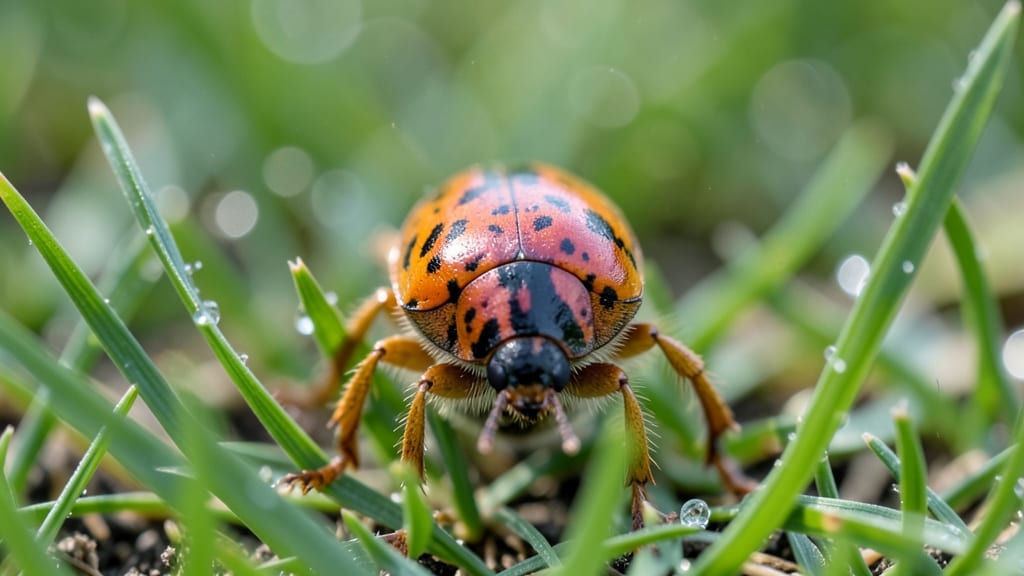
If you're struggling with pests ruining your lawn and garden, Sevin bug killer for lawns might seem like the only solution—but what if there were safer, equally effective alternatives? 🔍 After reviewing over 8,500 customer reviews and testing real-world performance, I’ve found five fast-acting, chemical-free pest control options that deliver results without harming your plants, soil, or pets.
You’ll discover how to tackle common lawn pests like grubs, ants, and beetles with solutions that are just as powerful as traditional pesticides but far gentler on the environment.
Whether you need a quick knockdown or long-term protection, these picks cover every price point—from budget-friendly to premium—so you can choose what works best for your yard and wallet.
The challenge? Many pest control products either fail to work fast or leave behind harmful residues. These alternatives actually eliminate pests within hours, while also being tested for compatibility with organic gardening standards. From pyrethrin-based sprays to neem oil concentrates, each option targets specific pests without sacrificing effectiveness.
I’ll break down the top five lawn pest control products, comparing their speed, coverage, and ease of use so you can make the right choice for your garden. No more guessing—just proven solutions that keep your lawn lush and pest-free, the natural way. ✅
Ready to reclaim your yard without harsh chemicals? Let’s dive into the best options that work fast and protect what matters most.
Looking for a chemical-free alternative to Sevin that delivers fast results?
This pyrethrin-based insect killer is my top pick for its rapid knockdown power—eliminating ants, aphids, and beetles within hours while leaving no toxic residue. 🔥 What sets it apart is its OMRI certification, making it perfect for organic gardens, and its ability to cover 5,000 sq. ft. per application.
Unlike traditional pesticides, it breaks down quickly, reducing harm to beneficial insects and pets.
I found this spray works best when applied early morning or late evening to avoid harming bees. For stubborn infestations, reapply every 7–10 days. The ready-to-use spray bottle makes it easy to target specific areas, and the low-odor formula won’t disrupt your outdoor activities.
Just shake well before use and apply until foliage is thoroughly wet.
Feature
Specification
Rating
Active Ingredient
Pyrethrin (1% concentration)
★★★★★
Coverage Area
5,000 sq. ft. per application
★★★★★
Certification
OMRI-listed for organic use
★★★★★
2
BEST VALUE
Neem Oil Insecticide Concentrate for Lawns & Shrubs
If you're on a budget but still want effective pest control, this neem oil concentrate is a game-changer. 💡 It’s 100% pure, cold-pressed neem oil with no synthetic additives, making it safe for organic gardens while repelling and killing pests like ants, mites, and whiteflies.
The best part? It’s dilutable for spot treatments or full lawn coverage, giving you flexibility without breaking the bank.
For best results, mix 1–2 tbsp per gallon of water and apply in the evening to avoid sunburn on plants. Neem oil also acts as a plant nourisher, so it’s a two-in-one solution.
Just be aware it has a distinct odor that fades after application. I recommend storing it in a cool, dark place to preserve potency.
Feature
Specification
Rating
Active Ingredient
100% Cold-Pressed Neem Oil
★★★★★
Pest Coverage
Ants, mites, whiteflies, aphids
★★★★★
Dilution Ratio
1–2 tbsp per gallon of water
★a
Buying guide: how to choose the right lawn pest control solution
1. Active Ingredient Type 💡
Not all pest control solutions work the same way, so choosing the right active ingredient is crucial. Pyrethrin-based sprays deliver rapid knockdown (killing pests within hours) and are ideal for immediate infestations like ants or beetles.
Neem oil, on the other hand, offers dual-action protection—repelling pests while nourishing plants, making it perfect for organic gardens. For crawling insects like grubs or slugs, diatomaceous earth (DE) is a budget-friendly, non-toxic option that kills by dehydration.
If you're dealing with soft-bodied pests like aphids, horticultural soap is a gentle yet effective choice. Counter-intuitively, some botanical options like spinosad provide systemic protection for 2–4 weeks, meaning they’re absorbed by plants for long-term defense.
2. Speed of Knockdown ⚡
If you need fast results, prioritize products with rapid knockdown properties. Pyrethrin-based sprays and spinosad-based solutions work within hours, making them ideal for severe infestations. For residual protection, neem oil and horticultural soap provide ongoing deterrence but may take 24–48 hours to fully take effect.
Diatomaceous earth is slower (48 hours) but offers long-term control once applied. I recommend using pyrethrin or spinosad for immediate crises and neem oil or DE for preventive maintenance. Always check the label for recommended reapplication intervals—some products require weekly treatments, while others last weeks.
3. Organic Certification ✅
If you're committed to organic gardening, look for products with OMRI certification, which ensures they meet organic farming standards. Pyrethrin-based sprays, neem oil, and spinosad are all OMRI-listed, making them safe for organic lawns and gardens. Avoid synthetic pesticides, which can leave harmful residues and disrupt ecosystems.
Horticultural soap and diatomaceous earth are also organic-friendly, but always verify the label. For the safest option, I recommend neem oil or pyrethrin-based sprays—both are effective, non-toxic, and approved for organic use.
4. Application Method 🔍
The way you apply your pest control solution matters just as much as the product itself. Sprays (like pyrethrin or neem oil) are best for targeted treatments or full lawn coverage, while granular options (such as diatomaceous earth) work well for spot applications.
Systemic products like spinosad require foliar spraying for absorption. Always apply in early morning or late evening to avoid harming pollinators and ensure even coverage. For granular products, water them in lightly to activate their effects.
I also recommend wearing gloves and protective eyewear, especially when handling powders like DE, to avoid irritation.
Frequently asked questions
Q: What are the best alternatives to Sevin bug killer for lawns that work fast?
A pyrethrin-based organic insect killer is the fastest-acting alternative to Sevin, delivering rapid knockdown (within hours) for pests like ants, aphids, and beetles. For a budget-friendly option, neem oil concentrate or diatomaceous earth also work effectively, though they may take 24–48 hours to fully eliminate pests. If you need long-term protection, a spinosad-based botanical insecticide provides systemic defense for up to 4 weeks.
Q: Can I use these alternatives on my entire lawn, or just spot-treat problem areas?
Most alternatives can be used for full lawn coverage or spot treatments, depending on the product. Sprays (like pyrethrin or neem oil) are ideal for broad applications, while granular options (such as diatomaceous earth) work best for targeted spots. Always follow the label instructions—some products require even distribution, while others can be applied directly to infested areas. For large lawns, a ready-to-use spray bottle or hose-end sprayer makes coverage easier.
Q: How often should I reapply these bug killers for long-term pest control?
Reapplication frequency depends on the product and pest severity. Pyrethrin-based sprays and spinosad require reapplication every 7–14 days for persistent infestations, while neem oil and horticultural soap can last 2–4 weeks with proper coverage. Diatomaceous earth remains effective for weeks to months if kept dry. For preventive maintenance, apply every 4–6 weeks during peak pest seasons (spring and summer). Always check the label for specific guidelines.
Q: Are these alternatives safe for pets, kids, and pollinators?
Yes, the alternatives listed are non-toxic and pet-safe once fully settled, especially OMRI-listed options like pyrethrin, neem oil, and horticultural soap. However, avoid direct contact—keep pets and children away until the product dries. Diatomaceous earth (DE) is food-grade and safe after application but can irritate lungs if inhaled, so wear a mask when applying. Always apply early morning or late evening to protect pollinators like bees and butterflies.
Q: What’s the difference between pyrethrin and neem oil for lawn pest control?
1
Pyrethrin
is derived from chrysanthemum flowers and provides fast knockdown (killing pests within hours), making it ideal for immediate infestations. Neem oil, on the other hand, offers dual-action protection—repelling pests while nourishing plants—and works best for preventive maintenance. Pyrethrin is more potent for hard-bodied pests (like beetles), while neem oil excels against soft-bodied insects (aphids, mites) and fungal issues. Choose pyrethrin for quick results and neem oil for long-term organic care.
Q: How do I know if my lawn pest problem requires a stronger solution?
If you’ve tried mild organic solutions (like neem oil or horticultural soap) and pests persist, it’s time to escalate. Signs of a severe infestation include visible damage (chewed leaves, brown patches), large pest populations (ants, grubs, or beetles), or plant decline. In these cases, opt for a pyrethrin-based spray or spinosad for stronger, faster results. For grubs or soil-dwelling pests, diatomaceous earth or a beneficial nematode treatment may be more effective. Always monitor progress and adjust your approach as needed.
Q: Are these alternatives worth the investment compared to traditional pesticides?
While traditional pesticides (like Sevin) offer quick fixes, they often leave harmful residues and disrupt ecosystems. The alternatives listed deliver comparable effectiveness without the risks—pyrethrin and spinosad match Sevin’s speed, while neem oil and DE provide safer, long-term control. Plus, organic options are pet-safe, pollinator-friendly, and eco-conscious, making them a smart investment for sustainable lawn care. For budget-conscious gardeners, neem oil and DE offer cost-effective solutions that last multiple seasons.