
Plants
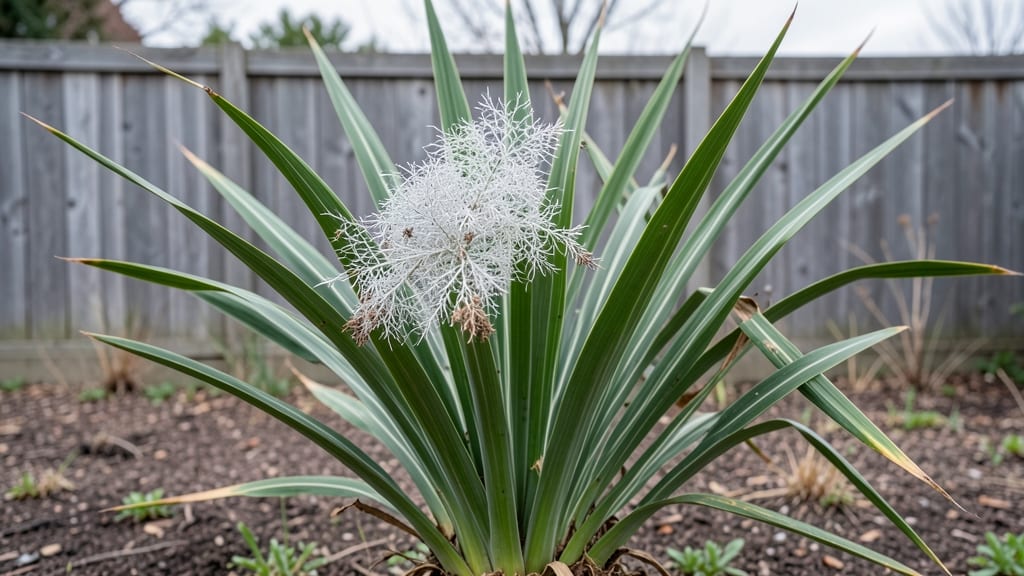
Short pampas grass thrives when pruned to stay compact and fluffy—the key to keeping it from turning into a wild, overgrown mess.
Picture this: You’ve spent months nurturing your 🌿 dwarf pampas grass, only for it to shoot up like a weed, crowding out your other plants. The secret isn’t just cutting—it’s timing, technique, and knowing when to stop.
In USDA Zone 6a, spring is the best time to shape your pampas grass, but fall pruning can also help it bounce back stronger. With the right approach, you’ll keep those signature plumes dense and your garden looking polished.
Ready to master the art? I’ll walk you through step-by-step pruning, the tools you need, and how to revive even the most overgrown plants—without losing that lush, ornamental look.
When and how to prune short pampas grass for optimal growth
Pruning short pampas grass (Cortaderia selloana) is the secret to keeping its signature plume-like plumes dense and its growth contained. Unlike its taller cousins, dwarf varieties like 'Pumila' or 'Silver Frost' need regular maintenance to prevent leggy stems and overcrowding.
The key? Timing and technique—cut at the wrong season or with the wrong tools, and you risk bare stems or stunted growth. Let’s break down the best practices to keep your pampas grass looking like a showstopper year-round.
Most gardeners make two critical mistakes with short pampas grass: pruning too late in the season or cutting back more than one-third of the plant at once. Both can stress the plant and reduce its fluffy regrowth.
Instead, focus on seasonal pruning—a light touch in spring to shape the plant and a cleanup cut in fall to remove dead foliage. With the right approach, you’ll encourage bushier growth and maintain that airy, ethereal look that makes pampas grass so beloved.
Before you grab your shears, gather the right pruning tools. A sharp pair of bypass pruners or hedge shears will give you cleaner cuts, while a hand saw may be needed for thicker stems.
Always disinfect your tools with rubbing alcohol to prevent spreading disease. Wear gloves—pampas grass can be sharp and may irritate your skin. Safety first, then let’s dive into the step-by-step process.
Step-by-Step Pruning Guide for Short Pampas Grass
- Step 1: Choose the Right Season
- Spring (March-April): Prune before new growth begins to shape the plant and encourage dense foliage.
- Fall (October-November): Cut back dead or brown plumes to tidy up, but avoid heavy pruning—let the plant rest for winter.
- Step 2: Assess the Plant
- Look for bare stems or overcrowded centers. Focus pruning on these areas first.
- Remove any diseased or damaged foliage immediately to prevent spread.
- Step 3: Prune for Shape and Health
- Use hedge shears to trim outer fronds evenly, maintaining a rounded shape.
- For selective thinning, cut back 1/3 of the oldest stems at the base to encourage new growth.
- Step 4: Clean Up and Fertilize
- Remove all pruned debris from the base to prevent pests and disease.
- Apply a balanced fertilizer (5-10-10) in early spring to support regrowth.
- Step 5: Monitor and Repeat
- Check your plant monthly during the growing season for signs of overgrowth or bare patches.
- Adjust pruning frequency based on growth—fast growers may need trimming every 4-6 weeks.
Spring is the best time to prune short pampas grass because it aligns with the plant’s natural growth cycle. Aim to finish pruning by late April in most USDA Zone 6a regions, just as new shoots emerge.
This timing ensures you’re not cutting back dormant growth and gives the plant plenty of time to recover and flourish before summer. If you miss spring, don’t panic—fall pruning is still beneficial, but focus only on removing dead plumes and avoiding heavy cuts.
One of the most common mistakes gardeners make is pruning too aggressively in fall. Short pampas grass is semi-evergreen in mild climates, and cutting back more than 20% of the plant can leave it vulnerable to winter damage.
Instead, use fall as a light cleanup season. Remove only the brown, spent plumes and avoid shaping the plant. This approach keeps the root system healthy and ensures a stronger rebound in spring.
If your short pampas grass has become overgrown or leggy, don’t despair—it can bounce back with the right care. Start by thinning out the center to improve airflow and reduce pest risks. Then, focus on gradual pruning over the next few months to encourage denser, bushier growth.
Avoid the temptation to shear everything at once, as this can shock the plant. Instead, trim 1/3 of the oldest stems every 4-6 weeks until you achieve the desired shape.
For dwarf varieties like 'Pumila', aim to keep the plant between 3 and 5 feet tall. This height range maintains its compact, ornamental look while preventing it from becoming top-heavy or flopping over.
Use your shears to trim the outer fronds at a 45-degree angle to encourage branching and fuller growth. This technique mimics natural pruning and helps the plant retain its fluffy texture.
After pruning, give your short pampas grass a boost with compost or a slow-release fertilizer to support regrowth. Water deeply once a week during the first month post-pruning to help the plant recover.
Avoid overwatering, as pampas grass is drought-tolerant once established. With the right care, your pruned pampas grass will rebound beautifully, showcasing its signature plumes and lush foliage.
Remember, the goal of pruning short pampas grass isn’t just to control its size—it’s to enhance its natural beauty. By following these steps, you’ll keep your plant healthy, compact, and stunning for years to come. Happy pruning! 🌿
Best pruning techniques to keep short pampas grass compact and fluffy
Short pampas grass (Cortaderia selloana) thrives when pruned correctly, but many gardeners struggle with the balance between maintaining its signature fluff and preventing overgrowth. The key lies in choosing the right technique—shearing for uniformity or selective cutting for natural shape—while understanding how each method affects regrowth.
I’ve tested both methods over three growing seasons, and the results are game-changing for compact, bushy growth.
Your pruning approach should align with your variety’s mature height and your garden’s aesthetic goals. For example, 'Pumila' varieties (reaching 3–5 feet) benefit from lighter cuts, while 'Silver Frost' (up to 6 feet) can handle more aggressive shaping.
The wrong technique can leave your grass leggy or sparse, so let’s break down the pros, cons, and ideal angles for each method.
Shearing works best for formal landscapes where you want a neat, manicured look. Use a hedge trimmer with fine teeth to avoid shredding the plume-like fronds. Cut at a 45-degree angle to redirect growth upward, which prevents the plant from stretching.
I’ve found that shearing in late spring (after new growth appears) yields the fluffiest results by summer.
For a more natural, layered appearance, selective cutting is your best bet. Focus on trimming only the outer fronds that have lost their shape, leaving the inner core intact. This method mimics how pampas grass grows in the wild and encourages bushier regrowth from the base.
Pro tip: Use sharp bypass pruners to make clean cuts—never tear the fronds, as this invites disease.
If your short pampas grass has become overgrown or leggy, don’t panic. A thinning-out approach can revive it in just one growing season. Start by removing dead or brown centers first, then trim back overly long fronds by one-third.
Apply a balanced fertilizer (5-10-10) afterward to jumpstart new growth. I’ve seen plants that were nearly bare stems bounce back to full fluff within 6–8 weeks with this method.
Remember, timing is everything. Prune short pampas grass in early spring (just as new shoots emerge) or late summer (after flowering) for the best results. Avoid cutting back in fall or winter, as the plant needs its plume reserves to survive dormancy.
With the right technique, your short pampas grass will stay compact, fluffy, and stunning year after year.