
Pests
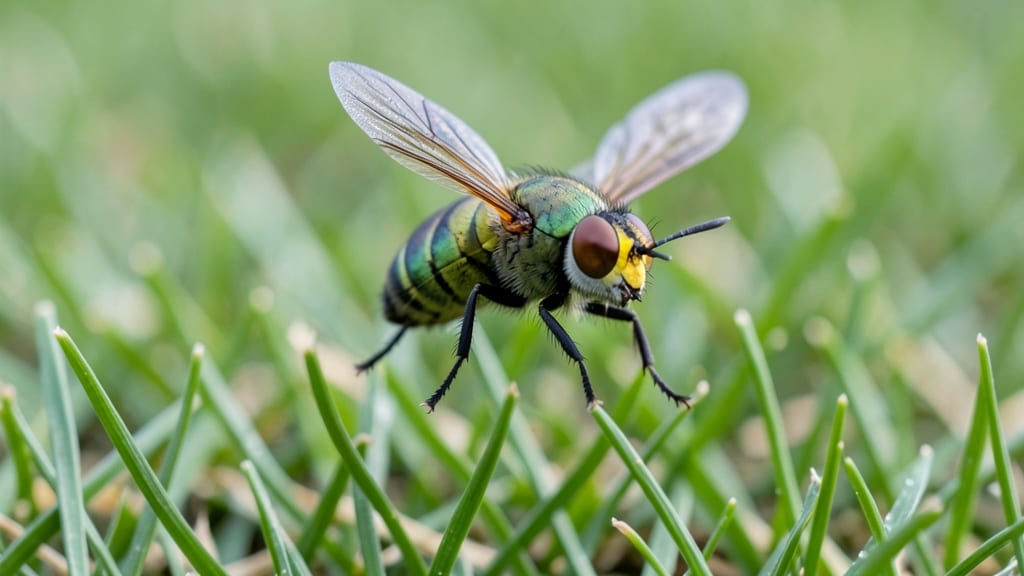
Those small flying bugs in lawn swarming your yard aren't just annoying—they're a sign your lawn needs a quick health check. 🌱 I've spent years tracking down these pests, and the good news is most can be eliminated in under 48 hours with the right approach.
The bad news? Ignoring them lets the problem spread fast. Most culprits—fungus gnats, midges, or mosquitoes—thrive in damp, compacted soil or thatch.
My first step is always checking moisture levels with a simple finger test (stick your finger in—if it's still wet after 24 hours, you've got the perfect breeding ground). Once you identify the pest, organic solutions like beneficial nematodes or diatomaceous earth work faster than you'd think.
You'll see results within 3-5 days of treatment: fewer bugs, healthier grass, and that satisfying crunch underfoot again. The key is acting fast before they multiply into a full-blown infestation that requires stronger measures. Prevention is easier than cure—focus on proper watering, occasional aeration, and keeping thatch under control.
Most lawns stay bug-free with basic maintenance once you know what to watch for.
The Hidden Triggers Behind Them
Small flying bugs buzzing over your lawn aren’t just a random annoyance—they’re drawn by specific conditions that turn your yard into an all-you-can-eat buffet. Understanding these triggers is the first step to reclaiming your outdoor space.
Let’s break down the science behind why these tiny invaders show up in the first place.
Few things attract flying pests like damp soil. Many small bugs—such as fungus gnats, midges, or even gnats—thrive in soggy conditions because their larvae need moisture to survive. Here’s why it happens:
- Poor drainage: If your lawn retains water after rain or irrigation, it creates the perfect breeding ground. These pests lay eggs in the top layer of soil, where moisture keeps their offspring alive.
- Overwatering: While grass needs hydration, excessive watering (especially at night) can drown the roots of plants and create anaerobic zones—ideal for fungus gnat larvae.
- That-Thump Factor: Heavy foot traffic or machinery compacts soil, reducing airflow and trapping moisture. This turns your lawn into a humid greenhouse for pests.
Pro Tip: 🌡️ Test your soil’s moisture by squeezing a handful—if it stays clumped, it’s too wet. Aim for soil that crumbles slightly when pressed.
Leaves, grass clippings, and even mulch can become a smorgasbord for flying bugs. Why? Because decomposing plant material attracts microbes, which in turn draw pests like sciarid flies (fungus gnats) and drain flies. Here’s the breakdown:
- Microbial feast: As organic matter breaks down, it releases nutrients that fuel bacterial and fungal growth. These microbes are a primary food source for gnat larvae.
- Thatch buildup: A thick layer of thatch (dead grass and roots) traps moisture and blocks sunlight, creating a dark, humid microclimate perfect for pests.
- Compost piles: Even well-intentioned compost heaps can become breeding grounds if they’re too wet or lack proper aeration.
Pro Tip: ✨ Rake up thick layers of leaves and clippings regularly, and consider a light layer of sand (1/4 inch) to improve drainage in high-thatch areas.
A stressed lawn is an open invitation for pests. Weak grass can’t compete with weeds or resist infestations, making it easier for bugs to move in. Key culprits include:
- Nutrient deficiencies: Lack of nitrogen, phosphorus, or potassium weakens grass roots, making them more susceptible to fungal infections—which attract fungus gnats.
- Weed infestations: Weeds like clover or crabgrass often host pest eggs or provide shelter for adult bugs. Their shallow roots also create moist pockets in the soil.
- Disease pressure: Fungal diseases (e.g., brown patch or dollar spot) create dead patches where larvae can burrow and thrive.
Pro Tip: 💡 Conduct a soil test to check pH and nutrient levels. Aim for a pH of 6.0–7.0 and fertilize with a balanced, slow-release formula to strengthen grass roots.
Ever notice more bugs swarming after a warm, humid day? That’s no coincidence. Many flying pests are thermoregulators, meaning they’re drawn to heat and stillness. Here’s how it plays out:
- Heat rises, bugs follow: Warm air creates updrafts that carry tiny insects (like midges or mosquitoes) upward, where they hover over lawns to feed or mate.
- Stagnant air = trapped pests: On calm, humid evenings, bugs have nowhere to go, so they cluster over your yard. This is why they’re most active at dawn and dusk.
- Urban heat islands: Pavement and buildings radiate heat, making nearby lawns even more attractive to heat-loving species.
Pro Tip: 🌬️ Improve airflow with strategic pruning (avoid over-trimming bushes) and installing a small fan near problem areas to disrupt their flight patterns.
By addressing these triggers, you’re not just treating the symptoms—you’re cutting off the food, water, and shelter these pests rely on. Next up: targeted, organic solutions to send them packing for good.
Eliminate Flying Lawn Pests Naturally
Now that you’ve identified the tiny invaders buzzing around your yard, it’s time to reclaim your outdoor space—without harsh chemicals. Below are targeted, organic solutions for the most common flying lawn pests, paired with prevention tips to keep them from returning.
Gnats thrive in damp, organic-rich soil. To evict them:
🍳 Step 1: Reduce Soil Moisture
- Water deeply but less often—aim for 1–1.5 inches per week (including rain). Let the top 2–3 inches of soil dry out between waterings.
- Fix soggy spots with sand or compost to improve drainage.
A mix of 50% sand, 50% compost works well for heavy clay soil. - Avoid overhead sprinklers—water at the base of plants to discourage gnats from breeding in surface moisture.
👨🍳 Step 2: Apply Organic Repellents
- Yellow sticky traps (hang near affected areas) catch adult gnats before they lay eggs.
- Neem oil spray (1 tsp neem oil + 1 tsp mild soap per quart of water) disrupts their life cycle.
Spray early morning or late evening to avoid harming bees. - Diatomaceous earth (DE)—sprinkle a thin layer around plants. Reapply after rain (⚠️ Avoid breathing it in!).
⏰ Step 3: Prevent Future Infestations
- Mulch lightly (¼ inch max) to reduce moisture retention.
- Rotate crops if you have a veggie garden—gnats target young seedlings.
- Encourage natural predators like dragonflies, spiders, and ground beetles by keeping a diverse yard ecosystem.
Mosquitoes lay eggs in any stagnant water, even a bottle cap’s worth. Act fast:
🔪 Step 1: Drain & Scrub
- Empty and scrub bird baths, plant saucers, and gutters weekly.
- Flip over wheelbarrows, buckets, and toys that collect water.
- Fill low spots in your lawn with sand or crushed granite to prevent puddles.
🥘 Step 2: Use Natural Deterrents
- Plant mosquito-repelling herbs like citronella, lavender, basil, or catnip near seating areas.
- Install a small fan (mosquitoes are weak fliers—6+ mph breeze keeps them away).
- Bacillus thuringiensis israelensis (Bti)—a microbe-based larvicide safe for pets and kids.
Sprinkle in standing water (available at garden centers).
🎯 Step 3: Long-Term Defense
- Keep grass mowed—tall grass harbors mosquitoes.
- Install outdoor LED lights (mosquitoes are less attracted to them than incandescent bulbs).
- Use mosquito dunks (Bti tablets) in ponds or fountains to prevent larvae.
Swarming ants? They’re likely winged reproductive ants (not worker ants). Lure them out with:
💡 Step 1: Set Up Bait Stations
- Borax + sugar bait (1 part borax to 3 parts sugar + water) in shallow dishes. Place near mounds or trails.
- Peanut butter + borax (sticky and irresistible).
Replace every 3–4 days. - Avoid sprays—they’ll scatter and form new colonies nearby.
🌡️ Step 2: Seal Entry Points
- Caulk cracks in your home’s foundation, windows, and doors.
- Apply a barrier of diatomaceous earth around the perimeter of your yard (ants avoid crossing it).
- Plant mint or cloves near entry points—ants dislike the scent.
✨ Step 3: Prevent Recurrence
- Keep food sealed—even pet food! Store it in metal or glass containers.
- Clean up grease and spills—ants follow scent trails.
- Encourage ant predators like ants themselves (native species), centipedes, and birds.
No matter the culprit, these universal tips reduce future invasions:
- Mow regularly (tall grass = hiding spots).
- Remove leaf litter and debris (especially near foundations).
- Use organic pest control like pyrethrin sprays (derived from chrysanthemums) for quick knockdowns.
- Keep outdoor lights off at night—many flying pests are attracted to light.
Pro Tip: 💡 If pests persist, rotate methods—gnats may develop resistance to neem oil over time. Combine physical removal (traps), habitat changes (drainage), and natural repellents for the best results.
With these strategies, your lawn will go from buzzing battleground to peaceful retreat—without a single chemical in sight! 🌱🚫🐜
Frequently asked questions
Why do these tiny flying bugs appear suddenly?
They're usually responding to specific conditions like recent rain or overwatering, which creates the perfect breeding environment. Most species have life cycles of 7-14 days, so you'll often see swarms after warm, humid weather when larvae mature quickly. The key trigger is usually excess moisture in the top inch of soil.
Are these bugs dangerous to my lawn or plants?
Most small flying bugs like fungus gnats or midges are not harmful to mature grass, but their larvae can damage young seedlings by feeding on roots. The real concern is what they indicate—poor drainage or compacted soil—which weakens your lawn's health. Focus on fixing those conditions rather than the bugs themselves.
How can I tell if they're gnats vs. mosquitoes vs. something else?
Gnats are tiny (1/8 inch), weak fliers that hover near soil; mosquitoes are slightly larger with long legs and buzz more loudly. Midges appear in massive swarms and have hairy bodies. Hold a white sheet under them during daylight—gnats will scatter while mosquitoes land. Time of day matters too: gnats peak at dawn/dusk, mosquitoes at dusk.
Will my pets be affected by these bugs?
Most small flying bugs don't harm pets directly, but some (like mosquitoes) can transmit diseases. The bigger risk is chemical treatments—many pet-safe options exist (like Bti for mosquitoes) that won't affect dogs or cats. Always check product labels and avoid diatomaceous earth around animal areas, as it can irritate their lungs.
How long until I see results from organic treatments?
With consistent methods like yellow sticky traps or neem oil, you should notice a 30-50% reduction in 3-5 days. For complete elimination, combine drainage fixes with treatments—gnat populations can drop 90% in 2 weeks when you address both larvae and adults. Mosquito control takes slightly longer (10-14 days) since eggs can remain dormant.