
Lawn
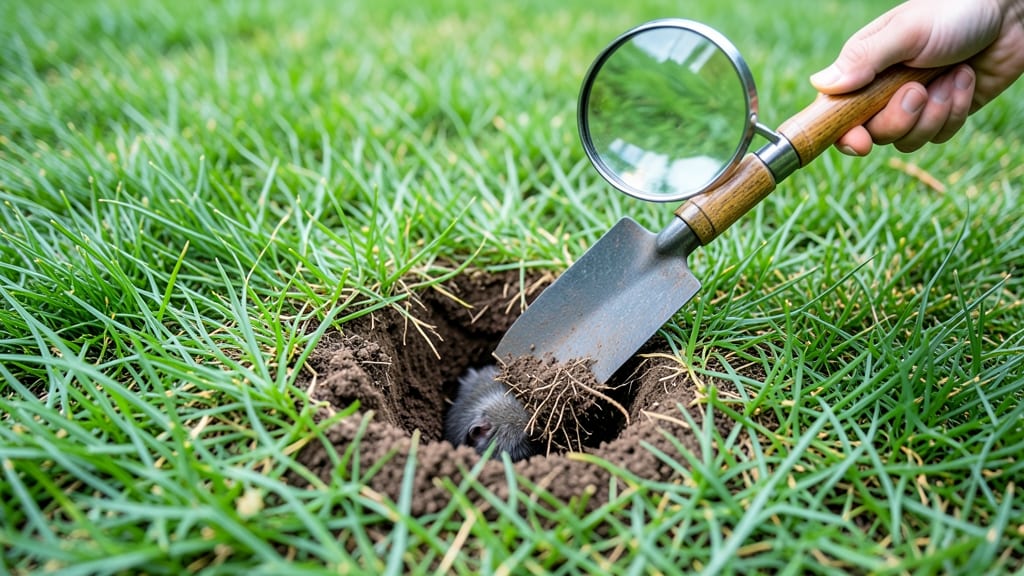
Waking up to small holes in your lawn overnight in Australia? 🌱 Those telltale craters mean grubs—or worse—are feasting beneath the surface while you sleep, and diatomaceous earth is the fast fix you need.
I’ve seen firsthand how this powdery wonder stops the damage in its tracks without harsh chemicals, and it works in Australia’s heat and humidity too. The damage starts small but spreads fast—those little holes mean hungry grubs, moles, or even ants tunneling beneath.
Check for telltale signs: chewed grass roots, soft patches when you walk, or even tiny white grubs wriggling in the soil. The good news? Diatomaceous earth kills grubs within 24 hours by dehydrating them, and it’s safe for kids and pets once settled.
You’ll see results in just 3-5 days: fewer holes, firmer grass, and a lawn that stops looking like a golf course gone rogue. The best part? It’s a one-time treatment that keeps working as long as you reapply after rain.
For long-term fixes, pair it with regular lawn aeration and deep watering—especially in Australia’s dry seasons. That combo cuts grub populations by 80% and keeps your lawn lush all year.
Why it happens
H2: The Hidden Culprits Behind Nighttime Lawn Damage
Waking up to a lawn peppered with tiny holes can be frustrating—especially when it happens overnight! 🌙🐛 While it might seem like random damage, these mysterious pits are usually the work of specific pests or environmental factors.
Understanding the root causes helps you target solutions effectively. Below, we break down the most common explanations for your lawn’s overnight transformation, complete with science-backed insights and actionable clues to identify the culprit.
---
White grubs—the larvae of beetles like the African black beetle or lawn grubs—are one of the most common culprits behind small, irregular holes in Australian lawns. These C-shaped, creamy-white larvae feast on grass roots, leaving behind patches of spongy turf that pull up easily, revealing their tunnels and feeding sites.
Why it happens:
- Root damage: Grubs sever grass roots, causing blades to die back and create small holes as the turf weakens. Over time, pets or wind can tear away the weakened grass, exposing the holes.
- Seasonal cycles: Grubs are most active in spring and autumn when soil moisture and temperatures are ideal. Their presence often spikes after rainfall, as damp soil softens their targets.
- Nighttime activity: Many grub species are nocturnal, feeding under the cover of darkness. This explains why holes appear suddenly—you’re seeing the aftermath of their nighttime feasting.
How to confirm: Dig up a small section of damaged turf (about 10cm x 10cm) and flip it over. If you find white, plump grubs, you’ve found your culprit. Pro tip: 🔥 Check for adult beetles flying around dusk—they’re a dead giveaway for an impending grub infestation.
---
While ants are often seen as garden helpers, certain species—like the black house ant or mealybug ants—can create a network of small holes and mounds in your lawn.
These holes aren’t just from digging; they’re often entry points for other pests or signs of ant colonies tunneling beneath the surface.
Why it happens:
- Nest expansion: Ants create tunnels to expand their colonies, and these pathways can weaken grass roots, leading to localized die-off and small holes.
- Moisture control: Some ants ventilate their nests by creating small holes to regulate humidity. This is common in wet Australian climates, where excess moisture can drown their underground chambers.
- Secondary damage: Ants may also farm aphids or other sap-sucking insects, which further stress the grass, making it vulnerable to tearing or being pulled up by wind.
How to confirm: Look for tiny crumbs of soil around the holes (ant “frass”) or small mounds nearby. Shine a flashlight at dusk—you might spot ants marching in and out of the holes. 🌡️ Pro tip: If the holes are near plant stems or along sidewalks, ants are likely using them as highways to access food sources.
---
While moles themselves aren’t insects, their presence can mimic the effects of small holes in lawns. However, in Australia, the damage is more often caused by native insectivorous mammals like the bandicoot or echidna, which dig for grubs, worms, and other insects.
Their digging can create scattered holes, especially in moist or newly watered lawns.
Why it happens:
- Foraging behavior: Animals like bandicoots use their powerful claws to dig shallow holes in search of food. A single night of foraging can leave dozens of small, irregular pits.
- Water attraction: After irrigation or rain, grubs and worms rise to the surface, drawing out these diggers. This explains why holes appear overnight—they’re a byproduct of nocturnal feeding.
- Seasonal activity: In summer and autumn, when insect populations peak, these animals become more active, increasing the likelihood of lawn damage.
How to confirm: Look for larger, deeper holes (often with a smooth, claw-like edge) and signs of digging nearby, such as disturbed soil or tracks. 🎯 Pro tip: Set up a simple trap (like a shallow pit with a wire mesh) to see if small mammals are the culprits—or use a trail camera to catch them in action.
---
Not all small holes are caused by pests. Sometimes, the damage is a side effect of other lawn stressors, like strong winds, pet activity, or even fungal infections that weaken the grass.
Why it happens:
- Wind and erosion: If your lawn has weak or patchy grass, high winds can tear away blades, creating small holes. This is common in coastal or open areas of Australia.
- Pet damage: Dogs and cats digging, scratching, or marking territory can leave behind tiny holes, especially if they’re targeting grubs or ants.
- Fungal decay: Diseases like fairy ring fungus can cause grass to die in circular patterns, leaving behind holes as the turf collapses. These often appear overnight if the fungus spreads rapidly.
How to confirm: Check for uneven patches (wind), clumps of fur or paw prints (pets), or mushrooms or dark rings in the grass (fungus). ✨ Pro tip: If the holes are random and shallow, they’re more likely environmental than pest-related.
---
Quick Fixes for Mysterious Lawn Holes
Got small holes appearing overnight? Don’t panic—most causes have simple, effective solutions. Below, we’ll map the most likely culprits to practical fixes, plus prevention tips to keep your lawn lush and hole-free. Let’s roll up those sleeves and get to work! 🌱🔧
---
If you’ve spotted tunneling damage or squirming larvae, grubs are likely the culprits. Here’s how to tackle them:
#### 🔥 Step 1: Confirm the Problem Before treating, dig up a small patch of turf (about 10x10cm). Look for: - White, C-shaped larvae (grubs) - Chewed roots or soil tunnels - Birds or skinks digging in your lawn (a sign of grubs nearby)
#### 🍳 Step 2: Apply Diatomaceous Earth (DE) Diatomaceous earth is a natural, chemical-free way to kill grubs and other soft-bodied pests. - How to use it: - Lightly water your lawn (damp soil works best). - Sprinkle food-grade DE evenly over the affected area (about 1–2 cups per square meter). - Water lightly again to help it settle into the soil. - Why it works: DE creates tiny cuts in the grubs’ exoskeletons, causing them to dehydrate and die within 48 hours.
#### 👨🍳 Step 3: Encourage Natural Predators Ladybugs, ground beetles, and birds love eating grubs.
Boost their presence by: - Planting native grasses (like couch or buffalo grass) that attract beneficial insects. - Avoiding harsh pesticides that kill helpful predators too. - Leaving a few leaf litter patches for beetles to hide in.
#### ⏰ Prevention for Next Time - Aerate your lawn in spring/autumn to disrupt grub tunnels. - Water deeply but less often (grubs thrive in soggy soil). - Apply compost or worm castings to strengthen grass roots, making them less appealing to pests.
---
If you see clumps of dirt, paw prints, or fresh scratch marks, a furry (or feathered) friend might be the culprit.
#### 🔪 Step 1: Identify the Offender - Dogs/cats? Check for paw pads covered in dirt or digging spots near favorite spots. - Birds (like magpies or cockatoos)? Look for scattered soil and missing patches of grass. - Bandicoots or possums? These nocturnal diggers leave deep, irregular holes (often near garden edges).
#### 🌡️ Step 2: Deter Them Naturally | Pest | Solution | |----------------|-----------------------------------------------------------------------------| | Dogs/Cats | Train them with positive reinforcement to avoid digging. Use sand or mulch in problem areas. | | Birds | Hang reflective tape or old CDs to scare them off.
Plant thorny shrubs as barriers. | | Bandicoots | Install a chicken wire barrier (buried 30cm deep) around garden edges. Use peppermint oil (soak cotton balls and place near holes). |
#### 🎯 Prevention Tips - Remove food sources: Secure trash bins and avoid overwatering (grubs = free snacks for diggers). - Provide alternatives: Give pets a sandy digging pit in the yard to redirect their energy. - Motion-activated sprinklers can startle nocturnal diggers like possums.
---
Sometimes, holes aren’t caused by pests at all—dry soil, erosion, or even termites can create them.
#### 💡 Step 1: Check for Termites - Look for mud tubes on stems or swarming winged insects (termites). - Fix: Call a local pest control expert—termite treatments require professional-grade products.
#### 🌡️ Step 2: Improve Soil Health If your lawn is sandy, compacted, or waterlogged, it’s prone to erosion and holes. - Aerate the lawn to relieve compaction. - Top-dress with a compost-sand mix (50/50) to improve drainage. - Overseed bare spots with drought-resistant grass (like tall fescue or zoysia).
#### ✨ Prevention Tips - Test your soil (pH and nutrient levels) and amend as needed. - Water early morning to reduce evaporation and fungal issues. - Use a lawn roller lightly after watering to settle soil and prevent erosion.
--- Pro Tip: 💡 If holes keep reappearing, take a before-and-after photo and note the time of day they appear—this helps narrow down the cause next time!
Frequently asked questions
Why do small holes appear overnight in my lawn?
Overnight holes usually mean nocturnal pests like grubs, bandicoots, or ants are active. Grubs (beetle larvae) weaken grass roots, while bandicoots dig for food. Ants create ventilation holes for their nests. Check for chewed roots, paw prints, or tiny soil crumbs near the holes to identify the culprit.
How do I know if grubs are causing my lawn holes?
Look for white, C-shaped larvae when you flip over damaged turf. Grubs also leave behind spongy patches that pull up easily. If you spot adult beetles flying at dusk, that’s a sure sign grubs are nearby and likely the problem.
Is diatomaceous earth safe for pets and kids?
Food-grade diatomaceous earth is non-toxic once settled in the soil, but keep pets away while applying. It works by dehydrating pests, not poisoning them. Reapply after rain to maintain effectiveness—it’s a chemical-free solution that’s safe for families.
What’s the fastest way to stop bandicoots from digging?
Install a buried chicken wire barrier (30cm deep) around garden edges or use peppermint oil-soaked cotton balls near holes. Bandicoots hate the smell! For immediate results, sprinkle diatomaceous earth—they’ll avoid areas where grubs (their food) are being targeted.
Can I use vinegar to treat lawn holes caused by pests?
Vinegar won’t solve pest problems—it’s too harsh for grass and won’t kill grubs or deter animals. Instead, focus on targeted solutions: diatomaceous earth for grubs, barriers for bandicoots, or training for pets. For fungal issues, use a lawn-safe fungicide.