
Lawn
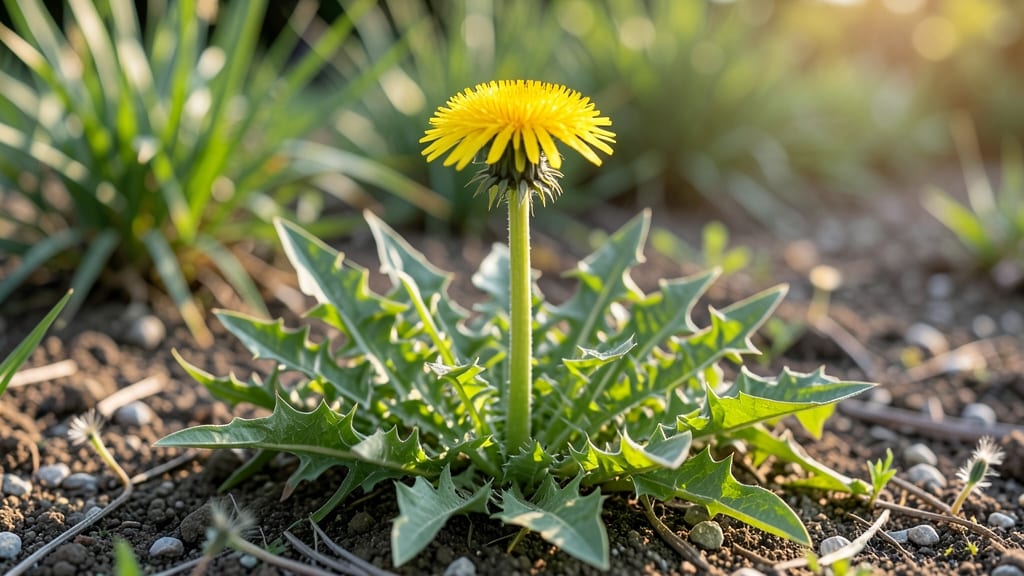
Those stubborn small yellow flowers popping up in your lawn aren't just unsightly—they're nature's way of telling you something's off. 🌱 Most of the time, dandelions, clover, or buttercups are the culprits, thriving where grass struggles.
The good news? You can turn this around in just 3 days with the right approach.
These weeds appear because your lawn is either too thin, compacted, or lacking nutrients. Dandelions and clover actually prefer poor soil, while buttercups love damp conditions. Instead of reaching for harsh chemicals, we'll focus on fixing the root causes—literally—so your grass crowds them out naturally.
By the end of this, you'll have a lawn that stays green and dense, with those yellow intruders a distant memory. The secret is a mix of manual removal, organic solutions, and simple lawn care tweaks that work faster than you'd expect.
Whether you're dealing with a patchy yard or full-blown yellow flower takeover, these methods adapt to any lawn size. Let's get started on that revival—your grass will thank you.
Root Causes of Unwanted Blooms
Those cheerful small yellow flowers popping up in your lawn aren’t just a nuisance—they’re often a sign that something’s off with your turf’s health or growing conditions. Understanding the why behind their appearance is the first step to reclaiming a lush, dandelion-free yard.
Below, we break down the most common triggers, backed by science and actionable insights.
Tight, clay-heavy, or nutrient-depleted soil creates the perfect storm for weeds like dandelions, buttercups, or chickweed. Here’s how it happens:
- Lack of organic matter: Soil without compost, mulch, or decomposed plant material struggles to retain moisture and nutrients. Weeds like dandelions thrive in these conditions because they’ve evolved to extract nutrients from shallow, compacted layers. Think of it like a fast-food meal for plants—they grow quickly but leave your lawn starving.
- Poor drainage: Waterlogged or slow-draining soil forces grass roots to suffocate. Weeds, with their deep or fibrous root systems, outcompete grass for oxygen and water. Test your soil’s drainage by digging a 6-inch hole and filling it with water—if it drains in under an hour, you’re likely in the clear.
- pH imbalances: Most lawn grasses prefer a pH of 6.0–7.0. If your soil is too acidic (<5.5) or alkaline (>7.5), grass weakens while weeds like yellow rocket (a.k.a. Barbarea vulgaris) take over. Pro tip: A simple soil test kit (available for ~$20) reveals pH and nutrient levels in minutes.
💡 Actionable fix: Aerate your lawn in early fall or spring to loosen compacted soil, then top-dress with ¼-inch of compost. For pH adjustments, apply sulfur (for alkaline soil) or lime (for acidic soil) based on test results.
While grass loves sunlight, intense heat or prolonged dry spells can turn your lawn into a weed magnet. Here’s the science:
- Grass goes dormant: When soil temperatures exceed 85°F (29°C), cool-season grasses (like Kentucky bluegrass or fescue) slow growth to conserve water. Weeds like prostrate spurge (a yellow-flowered invader) seize the opportunity, germinating and spreading rapidly.
- Shallow root systems: Heat causes grass roots to retreat closer to the surface, leaving them vulnerable to dehydration. Weeds, with deeper or more resilient roots, survive drought better. Example: Dandelions can tap into moisture 10 feet deep!
- Increased seed germination: Many weeds release seeds in response to heat. A study in Weed Science found that 80% of dandelion seeds germinate after just 3 days of soil temps above 70°F (21°C).
🌡️ Actionable fix:
- ✅ Water deeply 1–2 times per week (early morning) to encourage deep root growth. Aim for 1–1.5 inches per week, including rainfall.
- ✅ Mulch mow to retain soil moisture and reduce heat stress on grass.
- ✅ Adjust mowing height to 3–4 inches in summer to shade soil and conserve moisture.
Skipping watering or overdoing it creates the perfect conditions for weeds. Here’s how:
| Issue | How It Helps Weeds | Science Behind It |
|---|---|---|
| Underwatering | Grass turns brown and weakens, while weeds like henbit (tiny yellow flowers) thrive in dry, patchy areas. | Weeds have higher drought tolerance due to deeper roots or waxy leaves that reduce water loss. |
| Overwatering | Creates soggy spots where grass roots suffocate, inviting weeds like ground ivy (creeping charlie) to spread. | Excess moisture leaches nutrients from soil, making it easier for weeds to outcompete grass. |
| Inconsistent watering | Uneven moisture levels create "stress zones" where weeds germinate faster than grass recovers. | Weeds like chickweed germinate in as little as 3 days in moist conditions. |
💡 Actionable fix: Use a smart sprinkler timer or soaker hoses to deliver consistent, deep watering. Early morning (4–8 AM) is ideal to reduce evaporation and fungal risks.
Even well-intentioned lawn care can backfire. Here’s how common mistakes invite weeds:
- Skipping overseeding: Thin grass patches (from wear, disease, or poor growth) leave bare soil where weeds germinate. Example: A study found lawns with 30% bare soil saw a 400% increase in dandelion populations.
- Over-fertilizing: Too much nitrogen (especially quick-release types) burns grass roots, creating weak spots. Weeds like yellow woodsorrel exploit this by growing faster.
- Pesticide overuse: Broadleaf herbicides kill weeds but can also harm beneficial microbes in soil, disrupting grass health. Result: Weeds return stronger due to reduced natural competition.
- Mowing too short: Cutting grass below 2.5 inches stresses it, reducing root growth and inviting weeds like clover (which fixes nitrogen in the soil).
✨ Actionable fix:
- ✅ Fertilize in fall (slow-release, high-potassium formulas) to strengthen roots before winter.
- ✅ Overseed bare spots in early fall with a grass-weed mix (e.g., ryegrass for fast germination).
- ✅ Use pre-emergent herbicides in early spring (before weed seeds germinate) to block their growth.
Each of these causes—soil issues, heat stress, watering mistakes, or lawn care oversights—creates an opening for weeds to move in. The good news? Addressing even one of these will weaken their grip on your lawn.
Stay tuned for our next section on how to ID and target these blooms before
Quick Fixes for Lawn’s Yellow Blooms
Got those pesky small yellow flowers popping up where grass should be? Don’t let them take over—here’s how to tackle them fast, whether they’re dandelions, clover, or other weeds.
Below, we break down the most common causes and the easiest, most effective fixes to restore your lawn in 3 days or less.
Dandelions are the most common culprits, and they spread fast. Here’s how to eliminate them without harsh chemicals:
🍳 Manual Removal (Best for Small Areas)
- Timing is key – Pull them when the soil is moist (after rain or watering) to make roots easier to remove.
- Grab the roots – Use a dandelion weeder tool (or a butter knife) to dig out the entire taproot. Break off any remaining root fragments to prevent regrowth.
- Dispose properly – Toss them in the trash (not the compost—dandelion seeds can survive!).
👨🍳 Vinegar Solution (Natural & Fast)
- Mix 1 gallon of white vinegar (5% acetic acid) + 1 cup dish soap + 1 cup salt.
- Spray directly on leaves (avoid grass—it’ll burn too!).
- Reapply every 2-3 days until yellowing occurs (roots will die in 3-5 days).
🌱 Prevention Tips
- Mow high (3-4 inches) to block sunlight from weed seeds.
- Seed bare spots with dense grass (like Kentucky bluegrass or fescue) to crowd out weeds.
- Water deeply but less often—dandelions thrive in dry, patchy lawns.
Clover isn’t technically a weed, but if you want a pure grass lawn, here’s how to phase it out:
🔪 Suffocate with Mulch or Cardboard
- Lay down cardboard (no glossy ink!) over clover patches.
- Cover with 2-3 inches of mulch or soil.
- Plant grass seed directly on top—clover will decompose in 2-4 weeks.
🌡️ Corn Gluten Meal (Prevents New Growth)
- Sprinkle 20 lbs per 1,000 sq ft in early spring before clover seeds sprout.
- Works as a natural pre-emergent—safe for grass but stops weeds.
🎯 Pro Tip for Fast Results
- Hand-pull clover when soil is wet (roots come out easier).
- Aerate your lawn to improve grass growth—thick grass naturally crowds out clover.
Not sure what those tiny yellow blooms are? Here’s a quick ID guide + fix:
| Weed Type | How to Spot It | Fast Fix | Prevention |
|---|---|---|---|
| Chickweed | Small, star-shaped flowers | Pull or spray vinegar mix | Improve drainage—chickweed loves wet spots |
| Plantain | Broad leaves, yellow seed heads | Dig out roots or use pre-emergent | Overseed thin areas |
| Creeping Charlie | Purple stems, tiny yellow flowers | Apply post-emergent herbicide (like 2,4-D) | Mow high & fertilize regularly |
Want visible results in just 3 days? Follow this express cleanup routine:
- Day 1: Pull & Spray
- Remove large weeds by hand (dandelions, plantain).
- Spray vinegar solution on stubborn patches.
- Day 2: Smother & Seed
- Cover bare spots with cardboard + mulch.
- Plant fast-growing grass seed (like annual ryegrass).
- Day 3: Fertilize & Water
- Apply a quick-release fertilizer (like 10-10-10).
- Water deeply (1 inch) to help grass outcompete weeds.
Final Tip: The key to a weed-free lawn is consistency. Once you’ve tackled the yellow invaders, maintain healthy grass with proper mowing, watering, and feeding—weeds won’t stand a chance! 🚀
Frequently asked questions
Are those small yellow flowers actually weeds?
Most likely! Common culprits include dandelions, clover, buttercups, or chickweed—all of which thrive in thin or stressed lawns. The good news is they’re easy to identify and remove once you know what you’re dealing with. Start by checking leaf shape and growth pattern to confirm.
Why do these flowers keep coming back even after I remove them?
Weeds like dandelions and clover spread through deep roots or wind-blown seeds. Even tiny root fragments left in soil can regrow! For best results, pull them when soil is moist and dispose of them in the trash (not compost). Then focus on improving your lawn’s health to crowd out regrowth.
Is vinegar safe to use on my entire lawn?
No—vinegar is too harsh for grass and will burn it. Use it only as a targeted treatment on weeds, avoiding grass blades. For a safer approach, try hand-pulling or organic herbicides designed for lawns. Always test a small area first!
Can I prevent these flowers from returning without chemicals?
The key is a healthy lawn. Mow at 3-4 inches to shade soil, water deeply 1-2 times per week, and overseed bare patches. Aerate compacted soil in fall, and apply corn gluten meal in early spring as a natural pre-emergent.
How long until my lawn looks normal again after treatment?
With consistent care, you’ll see noticeable improvement in 3-4 weeks. Manual removal and organic treatments work fastest for visible results. For stubborn weeds, combine methods (like pulling + vinegar spray) and focus on lawn health to prevent recurrence.