
Lawn
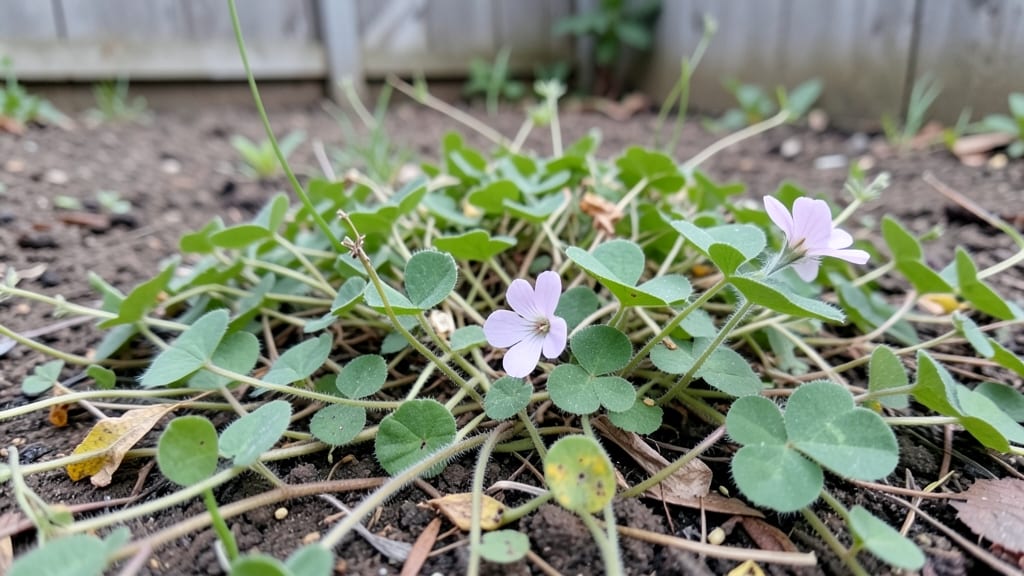
Growing a sour grass plant 🌿 isn’t just about filling your garden—it’s about adding a tangy, edible twist to your green space that thrives even in shady spots.
If you’ve ever spotted those bright green, clover-like leaves popping up where you didn’t plant them, you might be dealing with Oxalis, a hardy plant that spreads fast and adds a zesty flavor to salads or garnishes.
But before you pull it out, here’s how to grow it on purpose—whether you want it for its ornamental charm or its culinary kick.
This guide covers everything from soil prep to propagation, so you can turn those wild patches into a deliberate, low-maintenance garden that keeps coming back year after year. No fancy setup required—just a little patience and the right know-how.
Ready to turn sour grass from a nuisance into a useful, flavorful asset? Let’s get started with the basics of planting, caring, and even harvesting this versatile plant.

How to identify sour grass plant and its common symptoms
If your lawn has patches of yellowing grass that feel spongy or smell sour, you’re likely dealing with sour grass—a common lawn nuisance caused by Oxalis or moss buildup.
Unlike healthy grass, sour grass thrives in compacted, acidic soil with poor drainage, often spreading where foot traffic or shade stress the turf. Identifying it early is key to restoring your lawn’s health.
Sour grass isn’t a single plant but a symptom of soil degradation. It often appears as thin, yellow patches that pull up easily, revealing a dark, mushy layer beneath. These areas may also emit a sour or musty odor when wet, a dead giveaway.
Without intervention, sour grass weakens grass roots and invites pests like chinch bugs or fungal diseases.
Visual cues are your first clue: look for clover-like leaves (if Oxalis) or dark green, velvety moss in damp spots. Healthy grass should be deep green, firm, and springy underfoot, while sour grass feels squishy or spongy. Grab a handful—if it crumbles or smells off, you’ve found your problem.
A soil pH test (ideal range: 6.0–7.0) and moisture check confirm the issue. Sour grass loves acidic, waterlogged soil, so test your lawn’s pH with a home kit or send a sample to a local extension office.
If pH drops below 5.5, lime is your first fix to neutralize the soil.
Another red flag? Slow recovery after mowing or bare spots that refuse to green up. Sour grass outcompetes grass roots for nutrients, leaving your lawn thin and patchy. Over time, these areas become permanent weak points unless you address the underlying soil compaction or drainage issues.
🌱
Once you’ve confirmed sour grass in your lawn, dig deeper—literally. Use a soil probe or trowel to check for compacted layers or thatch buildup. Healthy soil should crumble easily, while sour grass areas often reveal hardpan or rotting organic matter.
Aerating these spots with a manual aerator or spike tool improves drainage and root growth.
Don’t overlook shade patterns in your lawn. Sour grass often invades under trees or along fences where grass struggles to photosynthesize. If these areas stay damp, consider shade-tolerant grass varieties like fine fescue or creeping red fescue to outcompete weeds naturally.
Pro tip: Walk your lawn in the morning when dew is present. Healthy grass will dry quickly, while sour grass patches stay wet longer, signaling poor drainage. Mark these spots for targeted treatment—whether it’s topdressing with compost or overseeding with ryegrass for winter recovery.
🌿
Remember, sour grass is a symptom, not a disease. Addressing soil pH, drainage, and nutrient balance will restore your lawn’s vitality.
Start with a soil test kit (available at garden centers for $10–$20) and follow up with organic amendments like compost or peat moss to rebuild healthy turf.
Step-by-step guide to reviving yellowing lawn patches from sour grass
Yellowing patches in your lawn often signal sour grass (commonly Oxalis species) taking over, especially in compacted or nutrient-poor soil. This hardy plant thrives where regular grass struggles, creating those unsightly, clover-like clusters.
The good news? You can reclaim your lawn with a systematic approach that targets the root causes—literally and figuratively.
Before diving into solutions, note that sour grass spreads aggressively due to its shallow roots and high tolerance for poor conditions. The key to revival lies in improving soil health, reducing competition, and encouraging desirable grass to outcompete it naturally.
Let’s break this down into actionable steps you can tackle over a few weekends.
🌱 Step-by-Step Revival Plan for Sour Grass Patches
- Step 1: Soil Testing – Use a DIY soil test kit to check pH levels (ideal: 6.0–7.0 for grass) and nutrient deficiencies. Sour grass often dominates in acidic or compacted soil.
- Step 2: Aeration – Rent a core aerator to create holes 2–3 inches deep across the affected area. This loosens soil, improving water and nutrient absorption for desirable grass.
- Step 3: Overseeding – Choose a fast-growing grass seed (e.g., ryegrass or fescue) suited to your climate. Spread seeds evenly over the aerated area and lightly rake in.
- Step 4: Fertilization – Apply a balanced fertilizer (10-10-10) to provide essential nitrogen, phosphorus, and potassium. Focus on the overseeded patches for 4–6 weeks post-seeding.
- Step 5: Organic Amendments – Mix in compost or peat moss to improve soil structure and organic matter. This helps crowd out sour grass by creating a healthier environment for your lawn.
- Step 6: Watering Schedule – Water deeply 2–3 times per week for the first 30 days to help seeds germinate and establish roots. Avoid overwatering, which can encourage sour grass.
- Step 7: Maintenance – Mow newly seeded areas to a 3-inch height once established, and monitor for sour grass regrowth. Hand-pull any remaining clusters as needed.
Start with soil testing to identify specific deficiencies—low pH or compacted soil are common culprits for sour grass dominance. If your soil tests acidic (pH below 6.0), amend it with lime to raise the pH gradually. This step alone can make a dramatic difference in grass recovery.
After aeration, overseeding is critical. Choose a cool-season grass if you’re in a temperate climate, as these varieties establish quickly and outcompete sour grass. Apply a starter fertilizer with seeds to give them a nutrient boost during germination.
Once your new grass is established (typically 4–6 weeks), shift focus to preventive care. Regular mowing, proper watering, and seasonal soil maintenance will keep sour grass at bay. For stubborn patches, spot-treat with a vinegar-based herbicide (1 part vinegar to 3 parts water) for organic control.
Remember, patience is key. Reviving a lawn takes time, but with consistent effort, you’ll see lush, green grass replacing those yellowing patches—naturally and sustainably. 🌱