
Lawn
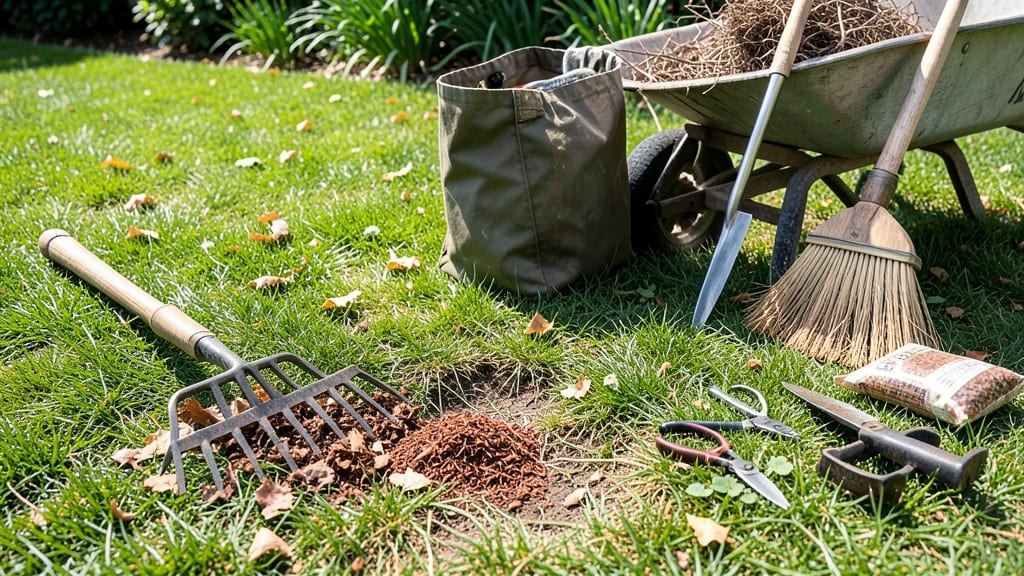
Spring lawn cleanup isn’t just about clearing dead grass—it’s the foundation for a lawn so lush it’ll make your neighbors jealous by summer. 🌱 I’ve learned the hard way that skipping this step means fighting weeds and patchy growth all season.
The key? Timing it right when the soil warms but before summer’s brutal heat kicks in.
You’ll need basic tools: a rake, leaf blower, sharp mower blades, a core aerator, and some lawn fertilizer. The process takes 2-3 hours for a typical yard, but the payoff is a lawn that stays green through droughts and recovers faster from foot traffic.
Start by removing debris—those dead leaves and thatch smother new growth if left sitting.
After clearing, aerate to let air and water reach the roots, then adjust your mower height to 3-4 inches for shade lawns or 2-3 inches for sunny areas.
A light application of slow-release fertilizer feeds roots as they wake up. By late spring, you’ll see thick, vibrant blades that outcompete weeds naturally.
This prep works year-round, but do it too early and you’ll encourage weeds; too late and you’ll stress new growth. Aim for 50-60°F soil temps and mild, dry weather. The best part? A well-prepped lawn needs 30% less watering all summer long.
📚 In This Guide
- What you need
- Instructions
- Tips and common mistakes
- Wrapping up and next steps
What you need
- ● Lawn rake: A sturdy bend-resistant rake (18–24" wide) for clearing debris.
- ● Leaf blower: Electric or gas-powered (200–400 CFM) for quick cleanup.
- ● Garden gloves: Heavy-duty, water-resistant pair to protect your hands.
- ● Pruning shears: Sharp, bypass-style shears (6–8" blade) for trimming weeds and overgrowth.
- ● Lawn mower: Adjustable-height mower (set to 3–4" for spring) for even trimming.
- ● Trash bags: 30–50 gallon contractor bags (biodegradable if composting).
- ● Wheelbarrow: 2–3 cubic feet capacity for hauling debris.
- ● Hose with nozzle: For rinsing tools and wetting stubborn debris.
- ● Edger: For crisp, clean borders around walks and flower beds.
- ● Soil aerator: Core or spike type to improve lawn health post-cleanup.
- ● Post-emergent herbicide: Spot-treatment for weeds (follow label instructions!).
- ● Knee pads: For comfort during extended raking sessions.
- ● Sunscreen & hat: Because spring sun sneaks up on you!
How to perform a thorough spring lawn cleanup
Here's the straightforward method I use to refresh my lawn every spring—no heavy equipment needed.
🪴 Step 1: Clear Debris and Rake Thoroughly
Start by removing all winter debris—leaves, twigs, and thatch—using a stiff rake or leaf blower. I work in sections, pulling debris toward the center of the lawn before bagging it. This prevents clumps from smothering grass as it wakes up. Look for brown, straw-like patches—these are dead grass areas that need special attention.
Rake again after removing debris to loosen soil and expose dormant grass. You'll see green shoots peeking through within a few days—this is your signal the lawn is ready for the next step. Avoid raking when soil is wet; you'll create mud and compact the surface.
✂️ Step 2: Trim Edges and Remove Weeds
Use a sharp edging tool to trim along sidewalks, driveways, and garden beds. I go slowly, following the natural curve of the lawn edge. This creates a clean border and prevents grass from creeping into flower beds. For stubborn weeds like dandelions, pull them when the soil is moist—you'll get the entire root if you tug gently after a light rain.
Watch for broadleaf weeds with yellow flowers—they spread fast in spring. I spot-treat these with a vinegar-based herbicide (mix 1 gallon vinegar, 1 cup dish soap, and 1 gallon water) for organic control. Apply only to weeds, not grass, and water immediately after to prevent grass burn.
☀️ Step 3: Mow at the Right Height and Frequency
Set your mower to its highest setting—typically 3-4 inches for cool-season grasses—and make the first cut of spring. Never remove more than one-third of the grass blade at once; this prevents shock. You'll notice the lawn looks uneven at first, but it evens out after 2-3 mowings.
Mow when the grass is dry but not wilted—early morning works best. I mow weekly in spring, collecting clippings until the lawn establishes new growth. Once you see 2 inches of growth, you can switch to mulch mowing to return nutrients to the soil.
💧 Step 4: Aerate and Overseed Problem Areas
Use a manual aerator or rent a core aerator to pull small soil plugs from compacted areas. Focus on high-traffic spots where grass looks thin. You'll see the plugs pop out easily if the soil is moist but not soggy. Spread 1/4 inch of compost over the aerated areas before overseeding.
Sow grass seed over bare patches, using 1/2 pound per 100 square feet for cool-season grasses. Lightly rake the seed into the soil and water gently to settle it. Keep the area moist for 10-14 days—you'll see new grass blades emerge in about a week. Avoid walking on seeded areas until the new grass reaches 2 inches tall.
🌱 Step 5: Apply Fertilizer and Monitor Growth
Spread a slow-release, spring-specific fertilizer (look for one with 25-0-5 or 30-0-4 ratio) when the lawn is actively growing. I use a broadcast spreader for even coverage, following the package rate. Water immediately after applying to help the granules dissolve into the soil.
Water deeply 2-3 times per week (about 1 inch total) to encourage deep root growth. You'll know you're watering enough when the soil feels moist 3 inches down. Avoid light, frequent watering—it promotes shallow roots and thatch buildup. By late spring, your lawn should look thick and vibrant, ready for summer.
Tips & tricks for perfect spring lawn refreshment
Took me years to perfect this process—here’s what actually makes the difference between a patchy lawn and one that stays lush all season.
Timing is Everything: The key to spring cleanup isn't just doing the work—it's doing it at the right moment. Wait until the soil warms to 55°F (test by pressing your hand into the ground for 5 seconds; if it feels cool but not cold, you're good). Early spring cleanup before this temperature can shock dormant grass. I always check the forecast for a week of dry weather first—wet conditions turn your lawn into mud, not grass.
Tool Technique: That second raking in Step 1 isn't just for looks—it's about exposing those green shoots. Use a stiff-bristled rake and drag it backward in the direction of the grass growth. This creates tiny furrows that help water penetrate deeper, encouraging stronger root development. For stubborn thatch layers, I rent a thatch rake (the kind with spring-loaded tines) and work it into compacted areas before aerating.
Weed Prevention Strategy: The vinegar herbicide mix in Step 2 works wonders, but timing matters. Apply it on a calm day when temperatures are between 60-80°F—extreme heat or cold reduces effectiveness. I always water immediately after application (as instructed) but avoid letting the mixture run off into grass. Pro tip: Mix fresh each time—vinegar loses potency after 24 hours. For persistent weeds, I repeat the treatment every 3-4 days until they're gone.
Mowing Mastery: That first spring mow at 3-4 inches might look uneven, but it's intentional. The unevenness evens out as the grass grows back. What's critical is the one-third rule: Never remove more than one-third of the grass blade height at once. I set my mower to its highest setting and make two passes—first to level it out, second to clean up. And yes, those clippings are gold—leave them until you see 2 inches of growth to return nutrients naturally.
Pro Tips for Spring Lawn Cleanup
- Took me years to perfect this process—here’s what actually makes the difference between a patchy lawn and one that stays lush all season.
- Timing is Everything: The key to spring cleanup isn't just doing the work—it's doing it at the right moment.
- Tool Technique: That second raking in Step 1 isn't just for looks—it's about exposing those green shoots.
Frequently asked questions
Got questions about spring lawn cleanup? You’re not alone! Here are answers to the most common queries to help you tackle your yard like a pro.
When is the best time to start spring lawn cleanup?
The ideal window is late March to early May, once the ground thaws but before summer heat arrives. This timing balances soil warmth (for seed germination) with mild weather (for easier cleanup). If you missed it, don’t stress—just adjust tasks (like aerating) to cooler fall months.
Should I dethatch my lawn in spring, or is it better to wait?
Spring is perfect for dethatching if your lawn has a thick layer of thatch (over ½ inch). Use a dethatching rake or vertical mower in dry conditions. Avoid it if your grass is dormant or if rain is forecasted soon—wet thatch can clump and suffocate roots.
Can I use a weed trimmer instead of a lawn mower for cleanup?
Yes! A weed trimmer (or string trimmer) is great for edging, trimming tight spots, or clearing debris in hard-to-reach areas. For broad lawn areas, though, a mower is more efficient. Pair the two for a thorough yet precise cleanup—just wear safety goggles and ear protection.
What do I do with all the grass clippings after mowing?
Leave them! Grasscycling (mulching clippings) returns nutrients to the soil. If your lawn is thick or clippings pile up, bag them for compost or disposal. Avoid leaving piles on flower beds—they can smother plants or attract pests.
My lawn looks patchy after cleanup—how do I fix bare spots?
Start by raking out debris, then loosen soil with a rake. Spread a high-quality seed mix (matching your grass type) and top with a thin layer of compost. Water lightly daily for 2–3 weeks. For large areas, consider overseeding or sod patches in early fall for better root establishment.
Is it okay to fertilize right after spring cleanup?
Wait 4–6 weeks post-cleanup to let grass recover. Use a slow-release, spring-specific fertilizer (high in nitrogen) for new growth. Test your soil first—over-fertilizing can burn grass or pollute waterways. Follow package rates for best results!
Wrapping up and next steps
Spring lawn cleanup isn’t just about tidying up—it’s your first step toward a thriving, year-round lawn. By clearing debris, sharpening your mower, and mastering strategic trimming, you’re setting the stage for lush green grass that turns heads (and maybe even a few neighbor compliments!). 🌱
Ready to see those results? Grab your tools, roll up your sleeves, and start small—even a single section can make a big difference. Your perfect lawn begins with one cut at a time.
- Next step: Schedule your first trim session this weekend and watch your lawn transform!