
Plants
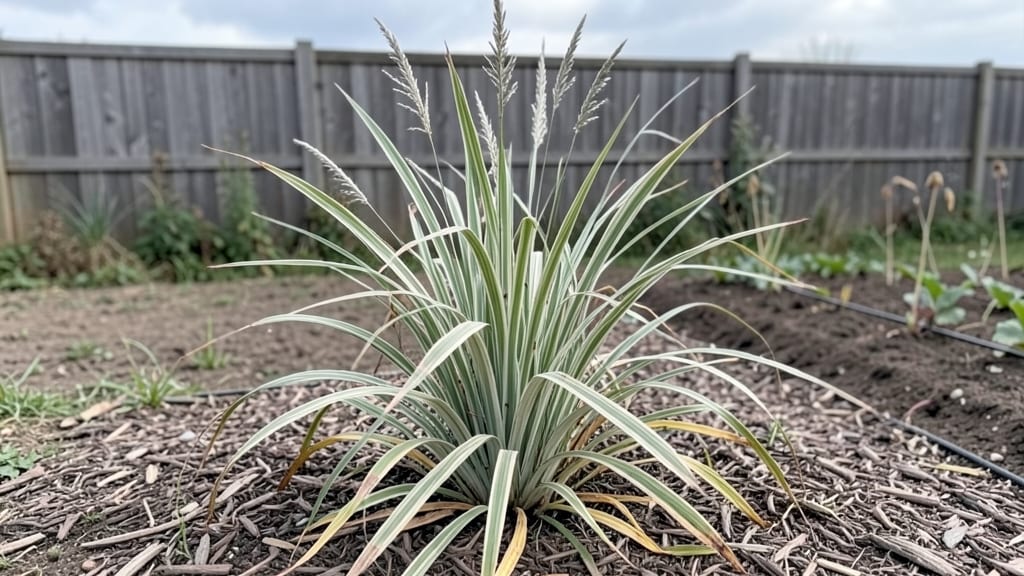
Adding tall variegated grass 🌿 to your garden instantly transforms flat spaces into striking vertical statements that catch the eye.
Transforming your outdoor space with tall variegated grass isn’t just about adding height—it’s about creating bold, textured vertical accents that elevate any modern landscape design. These striking plants offer dramatic contrast while requiring surprisingly low maintenance, making them a favorite among contemporary gardeners.
Whether you’re working with a small urban patio or a sprawling backyard, the right variety can serve as a focal point, a privacy screen, or even a dramatic backdrop for flowers and shrubs.
Popular choices like Miscanthus or Hakonechloa bring movement and color to gardens year-round, thriving in USDA Zone 6a and beyond.
Ready to discover how these grasses can redefine your outdoor space? Below, I’ll share the best varieties for your climate, how to plant them for maximum impact, and creative ways to style them in any garden layout.


Best tall variegated grass varieties for dramatic landscaping impact
When I think of dramatic landscaping, my mind instantly goes to tall variegated grasses—those architectural giants that bring movement and texture to modern gardens. These grasses aren’t just tall; they’re visual statement pieces that transform ordinary spaces into striking focal points.
Whether you’re designing a minimalist Zen garden or a bold contemporary landscape, the right variegated grass can make all the difference.
What sets these grasses apart is their unique color patterns—think creamy stripes, golden edges, or deep burgundy highlights—that catch the light and create seasonal interest.
Unlike solid-colored grasses, variegated varieties offer year-round visual appeal, from the soft blush of new spring growth to the fiery hues of autumn. Plus, their low-maintenance nature makes them perfect for busy gardeners who still want high-impact results.
Below, I’ve compared three of my favorite tall variegated grasses that deliver maximum drama with minimal effort. Each brings something special to your landscape, whether it’s height dominance, textural contrast, or seasonal color shifts.
Let’s dive into the details so you can choose the perfect variety for your garden’s personality.
Let’s start with Miscanthus zebrinus, my go-to for architectural drama. This 6-8 foot giant features striking cream-and-green stripes that create a mesmerizing vertical pattern.
What I love about it is how it shifts colors seasonally—starting as a vibrant green in spring, turning golden bronze in autumn, and even developing a frost-kissed blush in winter. It thrives in full sun and drought conditions, making it perfect for xeriscaping or modern minimalist gardens.
If you’re working with shadier conditions or smaller spaces, Hakonechloa macra 'Aureola' is a game-changer. While it’s shorter (2-3 feet tall), its golden cascading plumes create a soft, flowing texture that contrasts beautifully with dark foliage or evergreens.
This grass is shade-tolerant and does well in containers, making it ideal for patios or balconies. Its coppery autumn tones add warmth to cooler months.
How to plant and maintain tall variegated grass for long-term beauty
Tall variegated grasses bring modern gardens to life with their striking height and color contrast. Whether you're using Miscanthus zebrinus or Hakonechloa macra, proper planting and care ensure their variegated stripes stay vibrant for years.
These grasses thrive in full sun to partial shade, making them versatile for borders, focal points, or mixed plantings.
Before planting, choose a location with well-draining soil and 6+ hours of sunlight daily. Amending heavy clay with compost improves drainage, while sandy soils benefit from organic matter to retain moisture. Spacing is critical—plant 3-5 feet apart for mature height, allowing airflow to prevent fungal issues.
- 1 Dig holes twice as wide as the root ball and 1 inch deeper than the container. Loosen soil at the bottom to encourage root spread.
- 2 Remove the plant from its container and tease apart roots if pot-bound. Place in the hole, ensuring the crown sits at soil level—never buried.
- 3 Backfill with native soil mixed with compost (20%) to improve fertility. Water deeply to settle roots and eliminate air pockets.
- 4 Apply 2-3 inches of mulch around the base (avoid touching stems) to retain moisture and suppress weeds. Use pine straw or shredded bark for a natural look.
- 5 Water deeply 2-3 times weekly for the first month, then taper to weekly deep waterings once established. Avoid overhead sprinklers to prevent fungal diseases.
To preserve variegation and shape, prune in late winter or early spring before new growth emerges. Cut back dead foliage to 6 inches tall, leaving healthy stems to support the plant’s structure. Avoid heavy pruning in fall, as it removes winter interest and protective foliage.
In USDA Zones 5-9, protect variegated grasses from harsh winters by wrapping clumps with burlap or straw mulch (4-6 inches thick). In colder zones, consider container planting to move plants to sheltered areas during winter. Remove winter protection in early spring once temperatures rise above freezing.
Watch for discoloration or thinning, which often signals overwatering or poor drainage. Yellowing leaves may indicate nutrient deficiencies—apply a balanced fertilizer (10-10-10) in spring to encourage lush growth. For pest control, spray affected areas with neem oil if aphids or spider mites appear.
With proper care, your tall variegated grasses will reward you with season-long texture and color, becoming the backbone of your modern landscape. Their low-maintenance nature makes them perfect for busy gardeners who still crave high-impact design.