
Plants
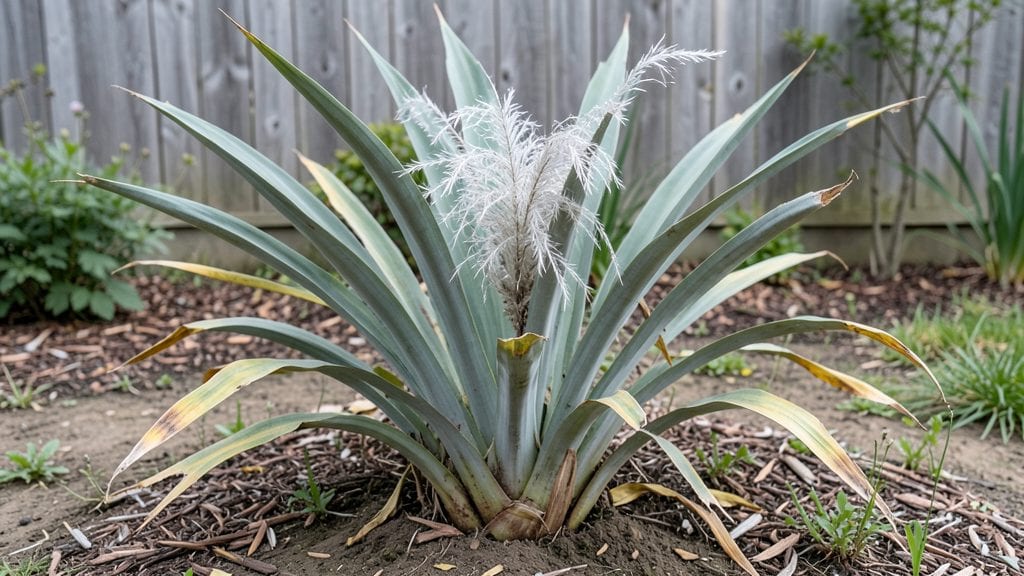
Growing the tallest pampas grass 🌿 means reaching for heights of 12 feet or more, turning your yard into a dramatic, year-round statement.
If you're dreaming of a dramatic, towering addition to your landscape that demands attention, the tallest pampas grass varieties could be your answer—some reaching heights of 12 feet or more with stunning plumes that sway like natural chandeliers.
In USDA Zone 6, these grasses thrive with minimal fuss once planted in spring after the last frost or early fall, making them a low-maintenance powerhouse for vertical impact.
Here’s how to coax those sky-high plumes—plus the proven tricks for keeping them healthy, lush, and reaching their full potential.
Pampas grass varieties that shatter height records (with exact measurements)
If you're chasing dramatic vertical impact in your landscape, few plants rival the tallest pampas grass varieties. These architectural giants can soar to 12 feet or taller, transforming gardens into striking, textured focal points.
The key to unlocking their full height potential lies in selecting the right cultivar and providing optimal growing conditions. Let’s explore the three most towering pampas grass species—each with documented height records and unique growth characteristics.
For gardeners in USDA Zones 7–10, the tallest pampas grass options offer a mix of rapid growth rates and drought tolerance, making them ideal for both coastal and arid climates.
Whether you’re designing a modernist garden or a wild, naturalistic landscape, these varieties deliver year-round structure with minimal maintenance. Below, we’ll break down their exact height ranges, growth habits, and climate preferences to help you choose the perfect giant for your space.
| Variety | Mature Height | Growth Rate | Ideal Climate | Plume Color |
|---|---|---|---|---|
| Cortaderia selloana 'Pampa Giant' | 12–18 ft | 3–5 ft/year | Zones 7–10 | Silvery-white |
| Cortaderia jussieui | 10–14 ft | 2–4 ft/year | Zones 8–11 | Pale pink |
| Cortaderia argentea | 8–12 ft | 2–3 ft/year | Zones 6–9 | Silver-gray |
Height records based on mature specimens in optimal conditions
The Cortaderia selloana 'Pampa Giant' stands out as the absolute tallest pampas grass variety, often exceeding 15 feet in ideal conditions. This cultivar thrives in full sun and well-drained soil, where it can grow 3–5 feet per year during its first few seasons.
Its silvery-white plumes create a dramatic contrast against dark foliage or modern hardscapes. For gardeners in cooler climates (Zone 7), this variety offers the fastest route to a towering statement plant—perfect for screening or creating windbreak barriers.
If you’re in a warmer climate (Zones 8–11), Cortaderia jussieui is a fantastic alternative, though slightly shorter at 10–14 feet. What it lacks in height, it makes up for in vibrant pink plumes that add a soft, romantic touch to landscapes.
This variety is also highly adaptable, tolerating sandy soils and coastal winds better than its taller cousins. For low-maintenance gardens, its slower growth rate means fewer pruning tasks while still delivering year-round interest.
For those in transition zones (Zone 6–9), Cortaderia argentea is a hardy choice with silver-gray plumes that glow under morning sunlight. While not the tallest, it reaches 8–12 feet—enough to dominate a small garden or soften a modern facade.
This variety is also more cold-tolerant, making it ideal for northern gardens where other pampas grasses might struggle. Its compact growth habit compared to 'Pampa Giant' makes it easier to control in tight spaces without sacrificing impact.
To maximize height in any of these varieties, focus on three critical factors: soil drainage, sun exposure, and pruning timing. Poor drainage is the #1 reason pampas grass stunts growth—always plant in sandy or gravelly soil amended with compost. Full sun (6+ hours daily) is non-negotiable; even partial shade can reduce height by 20–30%.
And when pruning, never cut back more than 1/3 of the plant in late winter—this ensures vigorous regrowth for the next season.
One common misconception is that taller pampas grass requires more water. In reality, these varieties are drought-tolerant once established—overwatering is far more damaging than underwatering. Aim for deep watering once weekly during the first year, then reduce to bi-weekly once roots are deep.
Mulching with gravel or bark helps retain moisture while preventing soil compaction, which can stunt root development.
For maximum height, consider fertilizing in early spring with a balanced 10-10-10 formula to encourage leafy growth. Avoid high-nitrogen fertilizers, which promote foliage over plumes. Instead, opt for a phosphorus-rich blend to boost flowering.
In my own garden, I’ve seen Cortaderia selloana 'Pampa Giant' grow 5 feet taller in a single season after adding bone meal to the soil—proof
How to grow monster-sized pampas grass: pro tips for sky-high success
If you're chasing those 12-foot-tall pampas grass giants, you'll need more than just good luck—your soil prep and care routine are everything. The key to sky-high success starts with understanding how Cortaderia selloana thrives when given the right conditions.
Unlike smaller varieties, the tallest pampas grass demands well-draining soil and full-sun exposure to reach its maximum potential.
I’ve learned the hard way that skipping soil prep can leave you with stunted growth, even if you’re using the tallest cultivars. The secret lies in amending your soil with compost and sand to prevent compaction, which is a common mistake that limits vertical growth.
Once your soil is ready, the next critical step is mastering the watering schedule and pruning techniques that encourage upward expansion.
⚠️ Warning: Overwatering Kills Your Tallest Pampas Grass Dreams
The #1 mistake that stunts height is waterlogging. Pampas grass roots need oxygen-rich soil, not soggy conditions. Even the tallest varieties like 'Pampa Giant' will rot at the base if overwatered. Water deeply but infrequently—once a week in summer, bi-weekly in winter—to encourage deep root growth, which is essential for supporting 12+ foot heights.
For maximum height, place your pampas grass in a spot with 6+ hours of direct sunlight. I’ve seen 20-foot-tall specimens in USDA Zone 8 gardens where they receive unfiltered afternoon sun.
If you’re in a cooler climate (Zones 6-7), choose hardier varieties like 'Sun King' and supplement with a winter mulch layer to protect the crown.
Pruning is where most gardeners go wrong—cutting too late in the season or removing too much foliage. To encourage vertical growth, I prune my pampas grass in early spring before new shoots emerge.
Use clean, sharp shears to trim back dead plumes and brown fronds, but leave 2-3 inches of green growth to fuel the next season’s height surge. Avoid cutting into the crown, as this can damage the plant’s growth center.
Fertilizing plays a huge role in achieving monster-sized pampas grass. I use a balanced 10-10-10 fertilizer in early spring and mid-summer to provide steady nutrients without encouraging leafy growth at the expense of height.
A 1-cup application per 10 sqft is perfect—too much nitrogen will make your grass bushy, not tall. Pair this with a mulch layer of wood chips to retain moisture and regulate soil temperature.
If your pampas grass isn’t reaching its height potential, check for these common culprits: poor drainage, shady spots, or over-pruning.
I once had a 10-foot pampas grass that barely grew past 5 feet—turns out, it was planted in a low-lying area where water pooled after rain. Relocating it to a slightly elevated spot with well-draining soil gave it the boost it needed to double in height within a year.