
Lawn
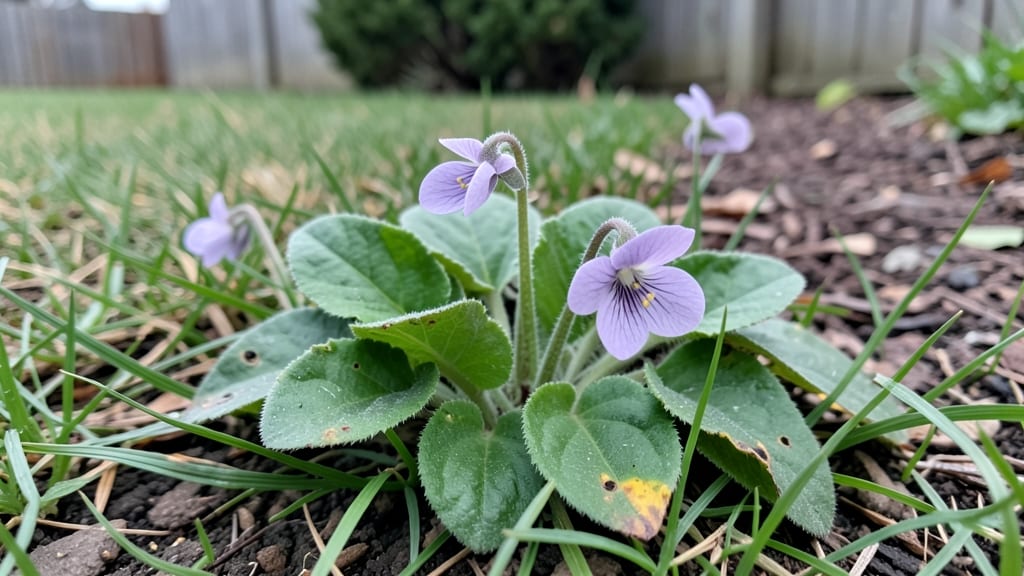
Tiny purple wildflowers in grass transformed my overworked lawn into a pollinator paradise without a single mower run. 🌿 The first time I saw creeping phlox and violets push through the turf, I realized how much easier—and prettier—skipping the mow could be.
These hardy plants thrive in partial shade, need almost no maintenance, and bloom from spring through fall.
You don’t need a meadow to make this work—just a few strategic spots where grass gets tired of fighting. Edging flower beds, filling gaps between stepping stones, or even replacing worn patches of lawn with wildflower seed mixes creates instant color.
The best part? Butterflies and bees will visit daily, and you’ll spend less time on upkeep.
By late spring, your lawn will look like a soft, purple carpet instead of a green rectangle. The flowers self-seed, so each year they spread naturally, reducing weeds while adding texture. Even in shady corners, violets and clover create a lush, velvety ground cover that feels alive underfoot.
Works in any yard—urban backyards, suburban edges, or country fields. The key is choosing the right mix for your light conditions and soil. Let’s bring that color to your grass without the mower noise!
Nature’s Secret Blooms Explained
Those enchanting tiny purple wildflowers popping up in your grass aren’t just a happy accident—they’re the result of a perfect storm of environmental cues, soil conditions, and even human activity. Let’s break down the science behind why these delicate blooms appear when and where they do.
🌱 Seasonal Triggers: When Conditions Align
Wildflowers like clover, phacelia, or self-heal thrive when specific seasonal factors come together. Their blooming cycles are tightly linked to:
- Temperature shifts: Many species germinate in early spring or late summer when soil temperatures hover between 50–70°F (10–21°C). Cooler nights and warmer days signal it’s time to sprout.
- Rainfall patterns: A 1–2 inch (2.5–5 cm) soaking after a dry spell kickstarts germination. Too much water can drown seeds, while too little keeps them dormant.
- Daylight exposure: Some wildflowers (like Trifolium species) are short-day plants, meaning they bloom when daylight hours shorten—typically in late summer or fall.
Pro Tip: 🌡️ If you’ve noticed wildflowers appearing after a mild winter or an unusually wet spring, climate changes are likely at play.
🌿 Soil & Sunlight: The Hidden Ingredients
Not all grassy areas are wildflower-friendly. These blooms flourish where:
- Sunlight breaks through: Thinning grass (from drought, foot traffic, or poor mowing) lets sunlight reach the soil, where wildflower seeds lie dormant. 3–6 hours of direct sun daily is ideal for most species.
- Soil composition matters: Wildflowers prefer well-draining, slightly acidic to neutral soil (pH 6.0–7.0). Compacted or overly fertile lawns (thanks to heavy nitrogen fertilizers) can suppress them.
- Disturbed ground invites growth: Bare patches from animal activity, erosion, or even aeration create perfect spots for seeds to take root.
Fun Fact: Some wildflowers, like Viola sororia (common blue violet), are heliotropic—they follow the sun’s movement to maximize photosynthesis!
🌱 Human Influence: How We Accidentally Help (or Hurt)
Our lawn habits play a surprising role in wildflower growth:
- Reduced mowing: Skipping a cut or raising mower height leaves grass clippings as natural mulch, retaining moisture and shade for seeds.
- Less synthetic fertilizer: Wildflowers hate competitive grasses fed with high-nitrogen lawn food. Organic matter (like compost) supports their growth instead.
- Seed dispersal: Birds, wind, and even your shoes can carry wildflower seeds from gardens, roadsides, or neighboring properties into your yard.
Watch Out: ⚠️ Over-tilling or heavy herbicide use can kill wildflower seeds before they sprout. If you’re seeing fewer blooms, check your soil health first!
🐝 Pollinators & Survival: Why They Stick Around
Wildflowers aren’t just pretty—they’re ecological survivors. Their persistence depends on:
- Pollinator partnerships: Bees, butterflies, and hummingbirds rely on their nectar, ensuring cross-pollination and seed spread.
- Drought resistance: Many tiny purple blooms (like Phacelia) have deep roots or waxy coatings to conserve water.
- Self-seeding habits: Plants like creeping charlie (Glechoma hederacea) spread aggressively, making them hard to eradicate—even if you don’t want them!
Key Takeaway: If your lawn has wildflowers, it’s a sign of a healthy, balanced ecosystem—not a failed lawn!
Quick Fixes for Wildflower Wonderland
Discovering those tiny purple blooms popping up in your grass is a dream for many gardeners—but sometimes, they arrive uninvited or in less-than-ideal spots. Whether you’re dealing with overgrowth, weed competition, or just want to encourage the right kind of wildflowers, these practical solutions will help you take control.
Below, we’ll match common issues to easy fixes, plus pro tips to keep your lawn vibrant and wildflower-friendly.
🌱 Overgrowth: When Wildflowers Take Over
If your tiny purple wildflowers are spreading too aggressively and crowding out your grass or desired plants, it’s time to thin them out—without sacrificing their charm.
🔪 Hand-Pulling for Precision
- Best for: Small patches or delicate areas where tools might damage roots.
- How to:
- Wait for a damp day (soil sticks to roots, making removal easier).
- Grasp the base of the wildflower and pull gently but firmly upward. Don’t yank—twist slightly to loosen roots.
- Rinse off any clinging soil to check for missed roots (re-growth will happen if fragments remain).
- Pro Tip: 💡 Use a pair of gardening gloves to protect your hands—some wildflowers (like clover) can be sticky!
✂️ Strategic Trimming
- Best for: Larger areas or when wildflowers are mixed with grass.
- How to:
- Use sharp pruning shears or a string trimmer set to a low height.
- Trim just above the soil line to avoid damaging grass roots.
- Collect clippings and dispose of them (composting is fine if you don’t want the seeds spreading).
- ⏰ When to Do It: Late summer or early fall, after wildflowers have seeded but before they go dormant.
🌡️ Solarization for Stubborn Patches
- Best for: Weedy or overly dense wildflower areas you want to reset.
- How to:
- Water the area thoroughly.
- Cover it with clear plastic sheeting (secure edges with rocks or soil).
- Leave for 4–6 weeks in hot sun (solarization kills weeds/seeds via heat).
- Remove plastic, till the soil, and reseed with grass or desired wildflowers.
🌿 Weed Competition: Encouraging the Right Blooms
If weeds like crabgrass or dandelions are outcompeting your tiny purple wildflowers, you’ll need to shift the balance—without harsh chemicals that kill everything.
🔥 Spot-Treat Weeds Naturally
- Best for: Targeting specific weeds while preserving wildflowers.
- How to:
- Use a vinegar-based weed killer (1 gallon vinegar + 1 oz dish soap + 1 cup salt). Spray only on weeds—avoid wildflowers!
- For stubborn weeds, try a boiling water treatment (pour directly on the weed’s base).
- Alternative: Hand-pull weeds when soil is moist, then mulch the area to suppress regrowth.
🌱 Mulch to Suppress Weeds
- Best for: Preventing weed seeds from germinating near wildflowers.
- How to:
- Apply a 2–3 inch layer of organic mulch (straw, wood chips, or shredded leaves) around wildflower patches.
- Keep mulch away from wildflower stems to avoid smothering them.
- Replenish mulch every few months as it breaks down.
🌞 Improve Soil for Wildflower Dominance
- Best for: Helping wildflowers outcompete weeds naturally.
- How to:
- Test your soil’s pH (wildflowers often prefer slightly acidic to neutral soil, pH 6.0–7.0).
- Amend soil with compost to boost nutrients without encouraging weed growth.
- Plant wildflowers in clumps rather than scattered—this creates a denser “carpet” that shades out weeds.
🎯 Location Issues: Wildflowers in the Wrong Spot
If your tiny purple wildflowers are sprouting where you’d rather have grass (or vice versa), relocation or suppression is key.
👨🍳 Transplanting Wildflowers
- Best for: Moving wildflowers to a designated “wildflower meadow” area.
- How to:
- Dig up wildflowers with their roots intact (use a small trowel or fork).
- Plant them in a sunny, well-draining spot with minimal competition.
- Water lightly for the first week to help them establish.
- ✨ Pro Tip: Transplant in early spring or fall for the best success rate.
🚫 Preventing Wildflowers in Lawns
- Best for: Keeping grassy areas weed/wildflower-free.
- How to:
- Mow high (3–4 inches) to shade out wildflower seeds.
- Fertilize lightly with a slow-release, nitrogen-rich fertilizer to encourage grass growth.
- Overseed bare spots with a wildflower-resistant grass mix (like tall fescue or perennial ryegrass).
🌿 Designate a Wildflower Zone
- Best for: Letting wildflowers thrive where you want them.
- How to:
- Mark off a section of your yard as a “no-mow” area.
- Plant native wildflower seeds in early fall for spring blooms.
- Add a small sign (e.g., “Wildflower Meadow—Leave It Wild!”) to remind family members to admire, not mow!
🔄 Long-Term Prevention Tips
Once you’ve got your wildflower situation under control, these habits will keep it that way with minimal effort:
- 💡 Mow Less Often: Wildflowers thrive with infrequent mowing (every 3–4 weeks in growing season).
- 🌡️ Water Deeply but Infrequently: Encourages deep roots in wildflowers and grass alike, making them more drought-resistant.
- 🌱 Plant Native Species: Native wildflowers are hardier and less likely to spread invasively than non-native varieties.
- 🎯 Monitor Seasonally: Pull weeds in spring and fall before they set seed.
- 🚫 Avoid Herbicides: They can harm wildflowers and disrupt the natural ecosystem. Opt for manual or targeted treatments instead.
Frequently asked questions
Which tiny purple wildflowers are best for sunny lawn areas?
For full sun, try creeping phlox or wild violet—both create lush purple carpets that thrive with minimal care. Self-heal (Prunella vulgaris) is another great option, offering deep purple blooms that attract pollinators while staying low to the ground.
Can I grow these wildflowers in shady grass patches?
Woodland phlox and wild ginger (Asarum canadense) are excellent shade-tolerant choices. They’ll add delicate purple hues to areas where grass struggles, like under trees or along north-facing walls.
How do I encourage more wildflowers in my existing grass?
Start by mowing less frequently and avoiding heavy fertilizers. Scatter native wildflower seeds in late summer/fall when soil is warm but not dry. Lightly rake the area to ensure good seed-to-soil contact, then water gently for 2-3 weeks.
Are these wildflowers safe for pets?
Most tiny purple wildflowers like clover and violet are non-toxic, but avoid foxglove (Digitalis) which can be dangerous. Always check with your vet if you notice unusual pet behavior after exposure to new plants.
Will these wildflowers spread aggressively?
Some like creeping charlie (Glechoma hederacea) spread quickly, while others like wild bergamot stay contained. For controlled growth, plant in designated areas and remove unwanted seedlings regularly. Native species generally spread more predictably than non-natives.