
Lawn
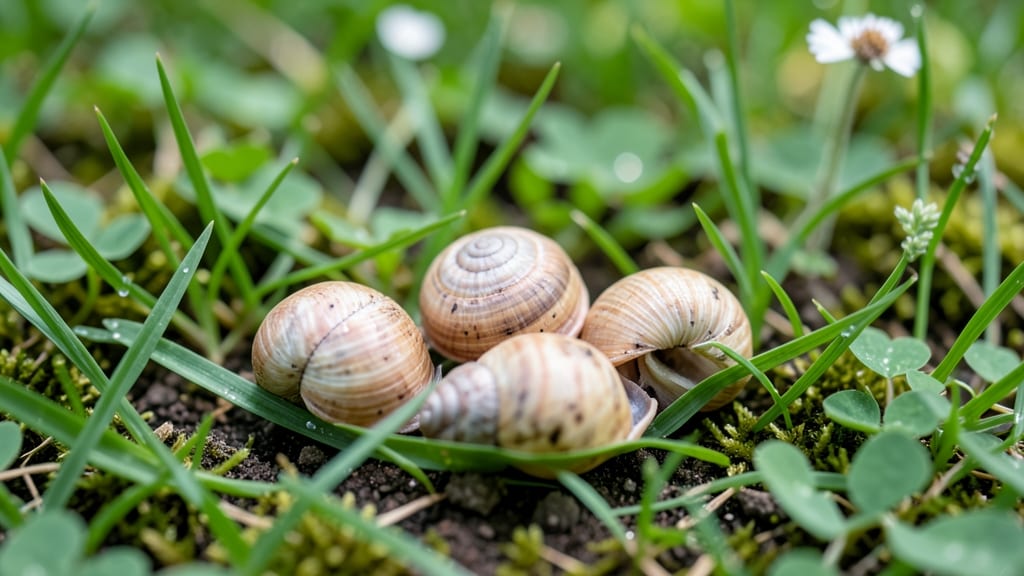
Finding tiny snail shells scattered across your lawn is like discovering a secret trail of slime—it means these nocturnal nibblers are feasting on your grass. 🐌 I used to ignore them until my hostas looked like Swiss cheese, and now I treat them like unwelcome guests with a strict eviction plan.
The damage goes beyond chewed leaves: snails leave behind a slimy film that can spread fungal diseases to your lawn. They thrive in damp, shaded areas, so the first step is identifying their favorite hangouts—usually under mulch, boards, or dense ground cover where moisture lingers.
You’ll eliminate them without harsh chemicals by combining beer traps, copper barriers, and introducing natural predators like ducks or ground beetles. Within a week, you’ll see fewer trails, and your grass will bounce back stronger than ever.
This method works for both small backyards and larger lawns—no need for expensive sprays. Let’s turn those slime trails into a thing of the past.
The Hidden Triggers Behind Shells
Discovering tiny snail shells scattered across your lawn can feel like a mysterious invasion—but there’s always a reason behind it. These delicate, spiraled remnants are a clear sign that snails are active in your yard, and understanding why they’re there is the first step to taking control.
Let’s break down the most common causes, from environmental conditions to human habits, and what they reveal about your lawn’s ecosystem.
Snails thrive in environments where moisture is abundant, and your lawn can become their perfect hideout when it stays too damp. Here’s why:
- High Humidity: Snails absorb moisture through their skin, so humid air (especially at night) keeps them active and reproducing. If your lawn retains moisture for extended periods—whether from rain, poor drainage, or shade—snails will linger.
- Poor Drainage: Clay-heavy or compacted soil traps water, creating soggy pockets where snails lay eggs and hide. Test your lawn’s drainage by digging a small hole; if water pools after 30 minutes, you’ve got a snail magnet.
- Shady or Dense Areas: Lawns under trees or thick shrubbery dry out slower, providing ideal conditions for snails. They avoid direct sunlight, which dries out their slimy bodies.
Actionable Fix: Improve drainage with organic matter (like compost) or aerate compacted soil. Use mulch sparingly in shaded areas to prevent excess moisture buildup.
Snails aren’t picky—they’ll feast on anything decomposing, from fallen leaves to grass clippings. If your lawn has piles of organic matter, you’re essentially inviting them to set up camp. Here’s how it happens:
- Leaf Litter and Grass Clippings: Decaying plant material provides both food and shelter. Snails graze on the debris while hiding underneath during the day.
- Wood Mulch or Bark Chips: Thick mulch layers trap moisture and create microclimates perfect for snail activity. They’ll lay eggs in the damp, shaded environment.
- Compost Heaps Nearby: If you compost on-site, snails may migrate from the pile to your lawn, especially if the compost is rich in greens (like grass clippings) that retain moisture.
Actionable Fix: Regularly clear organic debris from your lawn and store mulch in thin, dry layers. Keep compost bins elevated, sealed, and away from lawn edges.
Not all lawns are equal when it comes to snail attraction. Soft, tender grasses and ground covers can make your yard a snail buffet. Here’s what draws them in:
- Tender or Young Grass: Snails prefer to feed on soft, new growth. If your lawn has recently been overseeded or has thin patches, they’ll target those areas first.
- Host Plants for Egg-Laying: Some plants, like hostas, ferns, and lettuce (if present in garden beds), are favorite spots for snails to deposit eggs. Even small amounts of these plants near your lawn can spill over into infestations.
- Lack of Hardy Ground Covers: Grasses like Bermuda or zoysia are tougher and less appealing to snails. If your lawn consists of delicate species (e.g., fine fescue), expect more shell sightings.
Actionable Fix: Choose snail-resistant grasses for high-risk areas. Remove or protect vulnerable plants with barriers (like copper tape) or natural repellents (e.g., diatomaceous earth).
Snails are nocturnal creatures, and their activity spikes during specific times of the year. Understanding their behavior helps explain why shells appear suddenly:
- Warm, Wet Nights: Snails emerge after dark when temperatures are mild (50–70°F) and humidity is high. If your evenings are damp, you’ll see more slime trails and shells the next morning.
- Spring and Fall Surges: These seasons bring ideal conditions—moist soil, cool nights, and tender new growth. Snail populations explode in spring (after egg hatching) and again in fall (as they seek shelter before winter).
- Rainy Periods: Even a single heavy rain can trigger a snail migration. They emerge to feed on softened grass and lay eggs in damp soil.
Actionable Fix: Monitor weather forecasts and take preventive action (like setting traps or applying barriers) before rainy periods. Water lawns in the morning to let soil dry faster.
Now that you know why those tiny shells are appearing, the next step is addressing the root cause. Each of these triggers offers a starting point for natural solutions—whether it’s adjusting your lawn care routine, modifying your landscape, or introducing snail deterrents.
Stay tuned for actionable strategies to reclaim your lawn! 🚀
Quick Fixes for Lawn Snail Shells
Tiny snail shells scattered across your lawn aren’t just an eyesore—they’re a sign of a slimy, persistent problem. But don’t worry! With the right approach, you can tackle the issue naturally and effectively.
Below, we’ll break down the most common causes of snail infestations and provide practical, step-by-step solutions to eliminate them—plus tips to keep your lawn snail-free long-term.
Snails thrive in damp, shaded areas where moisture lingers. If your lawn stays soggy after rain or lacks sunlight, you’re creating the perfect snail buffet.
🍳 How to Fix It
- Improve Drainage 💧 - Test your soil’s drainage by digging a small hole (6 inches deep) and filling it with water. If it drains in less than 4 hours, you’re good.
If not, amend the soil with sand or compost to help water flow better. - Avoid overwatering—snails love excess moisture. Water deeply 2-3 times per week (early morning) instead of daily light sprinkles.
- Boost Sunlight Exposure ☀️
- Trim overgrown trees or bushes casting shade on your lawn.
- Consider aerating compacted soil to encourage grass roots to grow deeper, reducing surface moisture.
- Add Mulch Alternatives 🌿
- Replace thick mulch (which holds moisture) with gravel or pine straw, which drains better and deters snails.
Leaf litter, fallen fruits, and compost piles are snail magnets. These creatures munch on decaying plant material, then leave their telltale shells behind.
🥘 How to Fix It
- Clear Debris Regularly 🍃
- Rake up fallen leaves, fruit, and plant clippings weekly—especially after rain.
- Store compost bins away from your lawn (at least 10 feet) and use a tight-fitting lid.
- Use Copper Barriers ⚡
- Snails hate copper because it gives them a mild electric shock. Bury a copper tape or wire (1-2 inches deep) around garden beds or lawn edges to create a natural barrier.
- Encourage Natural Predators 🐸
- Attract frogs, toads, and birds by adding a small pond or birdbath. These critters love snacking on snails!
Without predators or repellents, snails multiply unchecked. If your lawn lacks defenses, they’ll keep coming back.
⏰ How to Fix It
- DIY Snail Repellents 🌶️
- Crushed eggshells or diatomaceous earth (food-grade only) create a sharp barrier snails avoid. Sprinkle lightly around plants.
- Coffee grounds (used, not fresh) can be scattered—the caffeine deters snails while enriching soil.
- Plant Snail-Repelling Ground Covers 🌱
- Snails dislike thyme, mint, or marigolds. Plant these around borders to discourage invasions.
- Avoid hostas, lettuce, or strawberries—these are snail favorites!
- Manual Removal (Best at Night) 🌙
- Snails are most active after dark. Shine a flashlight and pick them off by hand (drop them in soapy water to kill them humanely).
- Use a beer trap: Bury a shallow dish filled with beer—snails crawl in and drown (place traps away from pets/kids).
- 🌡️ Monitor Humidity: Use a hygrometer to keep lawn moisture below 70%.
- ✨ Seasonal Checkups: Inspect your lawn spring and fall (peak snail seasons) and act fast.
- 🎯 Early Intervention: The sooner you address moisture, debris, or barriers, the harder it is for snails to establish a foothold.
By tackling the root causes—moisture, food sources, and lack of deterrents—you’ll send snails packing for good. No chemicals, no hassle, just a snail-free lawn! 🚫🐌
Frequently asked questions
Are tiny snail shells harmful to my lawn?
Directly, no—but they signal a problem. Snails leave behind slimy trails that can spread fungal diseases to grass blades. The real damage comes from their feeding habits, which create irregular patches in your lawn. Addressing moisture and debris will prevent further harm while improving overall lawn health.
How do I tell if I have snails vs. slugs?
Snails leave behind small, spiral shells (usually 1/4-inch wide) while slugs leave no shells. Look for shiny, silver slime trails—snails create thicker trails with shell remnants. Slugs leave longer, wider trails without shells. Both prefer damp areas, but snails are more common in grassy lawns.
Can ducks really control snail populations?
Ducks are natural snail predators and will happily snack on them. Just ensure they have access to your lawn (especially after rain) and provide a small pond nearby. For smaller yards, consider adopting a single duck or attracting wild predators like frogs and toads with a shallow water feature.
Will diatomaceous earth work on snail shells I already see?
No—it only works on living snails. Diatomaceous earth dehydrates snails by damaging their slimy layer, but it won't affect shells already left behind. Focus on applying it around high-risk areas (like garden edges) to prevent new infestations. Reapply after rain, as moisture reduces its effectiveness.
Are there any plants that attract snails I should avoid?
Yes! Snails love hostas, lettuce, strawberries, and ferns. If you have these in garden beds near your lawn, they’ll act as snail magnets. Replace them with snail-resistant plants like thyme, mint, or marigolds, or use copper barriers around vulnerable plants to keep snails at bay.