
Lawn
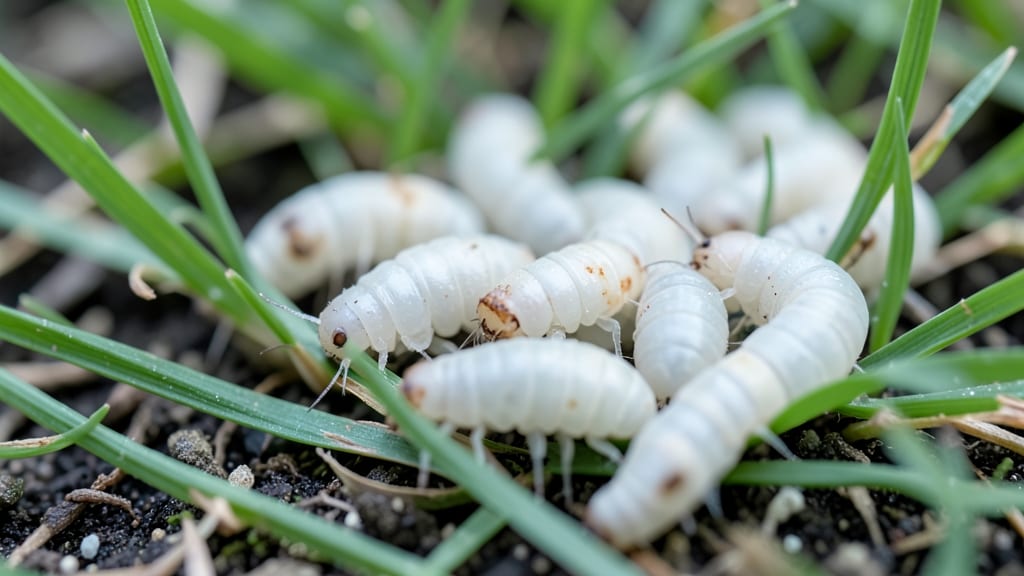
Those tiny white bugs hopping across your lawn aren’t just annoying—they’re a sign your spring cleanup needs a smarter approach. 🌱 I’ve battled them for years, and the key is understanding what they are (fungus gnats, springtails, or fleas) before reaching for chemicals that harm your grass more than the pests.
The real fix starts with simple lawn care tweaks: aerating compacted soil, adjusting watering schedules, and letting sunlight work its magic. Most of these bugs thrive in damp, shaded conditions—so a little yard maintenance goes a long way toward keeping them in check naturally.
By the end, you’ll have a lawn that stays healthy without toxic sprays, with fewer bugs and more vibrant grass. The secret? Prevention through proper care, not punishment through harsh treatments. Works for any lawn type, from shady patches to sunny backyards. Let’s get your grass back on track!
Root Causes Of Tiny Lawn Invaders
Those pesky tiny white bugs scurrying across your lawn aren’t just random visitors—they’re usually drawn by specific conditions that make your yard an all-you-can-eat buffet. Understanding why they show up helps you tackle the problem at its source.
Let’s break down the most common triggers, from environmental factors to lawn care mistakes.
Moisture-loving pests like springtails and fungus gnats thrive in damp, soggy soil. Here’s why:
- Excess water: Overwatering creates a waterlogged environment, which is perfect for fungal growth. Fungus gnats, for example, lay eggs in moist thatch layers, and their larvae feed on fungal hyphae—basically turning your lawn into a gnat nursery. 🐛
- Compacted soil: Heavy foot traffic or clay soil prevents proper drainage, trapping water near the surface. This not only attracts moisture-loving bugs but also weakens grass roots, making your lawn more vulnerable to infestations.
- Thatch buildup: A thick thatch layer (dead grass, roots, and debris) holds moisture and blocks air circulation. Springtails and other detritivores move in to decompose the organic matter, often in massive numbers.
Actionable fix: Test your soil’s drainage by digging a 6-inch hole and filling it with water. If it drains slower than 4 hours, amend with sand or organic matter (like compost) to improve aeration. Reduce watering to 1 inch per week (including rain) and water deeply but infrequently to encourage deep root growth.
Tiny white bugs like fungus gnats and springtails don’t just appear out of nowhere—they’re often hitchhiking on fungal feasts. Here’s the science:
- Fungal blooms: Warm, humid conditions (common in spring and fall) trigger fungal growth in thatch. These fungi release spores and hyphae, which attract fungus gnat larvae. The larvae, in turn, feed on the fungi, creating a feedback loop of infestation.
- Decomposing organic matter: Leaves, clippings, or mulch left on the lawn decompose, creating a microhabitat for fungi—and the bugs that eat them. Springtails, in particular, are detritivores, meaning they munch on decaying plant material.
- Weakened grass: Stressed or thin grass can’t compete with fungi, leaving more food for these pests. Look for mushrooms or white, cottony growth in your lawn—a red flag for fungal activity.
Actionable fix:
- 💡 Dethatch if the layer is over ½ inch thick using a rake or dethatching machine in early spring.
- ✨ Apply a fungal control like Trichoderma (a beneficial fungus) or neem oil to disrupt the fungal lifecycle.
- 🌡️ Improve airflow by mowing high (3–4 inches) to shade the soil and reduce moisture retention.
Your lawn’s health directly impacts its appeal to pests. When soil lacks balance, it becomes a magnet for tiny white bugs seeking easy meals:
- Excess nitrogen: Over-fertilizing with fast-release nitrogen (like urea) can create a sugary environment in the soil, attracting fungus gnats and other pests. The high nitrogen also promotes soft, weak grass that’s easier for larvae to penetrate.
- Low organic matter: Soil with minimal compost or decomposed material lacks the microbial diversity to naturally suppress pests. Bugs like springtails move in to fill the niche, often in swarms.
- pH imbalances: Soil that’s too acidic (< pH 6.0) or alkaline (> pH 7.5) stresses grass and disrupts beneficial microbes. This creates a vacuum that pests happily occupy.
Actionable fix:
- 📊 Test your soil (DIY kits or a local extension office) and amend with compost or aged manure to improve organic content.
- 💪 Use slow-release fertilizers (like organic options) to avoid nitrogen spikes. Aim for a balanced NPK ratio (e.g., 10-10-10).
- 🎯 Adjust pH gradually with lime (to raise pH) or sulfur (to lower it) based on test results.
Sometimes, the problem isn’t the lawn itself—it’s how you’re treating it. Common lawn care mistakes invite tiny white bugs:
- Over-mulching: Thick layers of mulch (especially wood chips) retain moisture and create the perfect breeding ground for springtails and fungus gnats. These bugs thrive in the dark, damp conditions under mulch piles.
- Ignoring leaf litter: Piles of leaves or grass clippings left to smother the lawn become bug hotels. They trap moisture, heat up, and decompose—creating a buffet for detritivores.
- Using synthetic chemicals: Harsh pesticides or herbicides can kill beneficial insects (like predatory mites) that naturally control pest populations. This leaves room for fungus gnats and springtails to explode in numbers.
Actionable fix:
- 🔥 Rake up debris regularly, especially in fall and spring. Spread leaves thinly as mulch or compost them.
- 👨🍳 Use organic mulch sparingly (like straw) and keep it 2–3 inches thick to allow airflow.
- 🌱 Opt for natural pest controls like beneficial nematodes or milky spore to target grubs without harming the ecosystem.
Most tiny white bugs in your lawn are simply responding to conditions you can control. By addressing moisture, fungal activity, soil health, and lawn habits, you’ll make your yard less inviting—and more resilient. The key? Prevention through balance.
Quick Fixes for Lawn Pests
If you’ve spotted tiny white bugs crawling across your lawn, don’t panic—there are effective, eco-friendly ways to tackle them without resorting to harsh chemicals. The solution depends on the culprit, but most of these pests respond well to targeted, natural methods.
Below, we’ve broken down the best approaches based on the most common offenders.
Springtails thrive in moist, organic-rich soil, often appearing after rain or overwatering. Here’s how to dry them out and discourage their return:
- 🔥 Reduce Moisture
- Water your lawn deeply but less frequently—aim for 1–1.5 inches per week (including rainfall).
- Improve drainage by aerating compacted soil or adding sand or compost to heavy clay areas.
- Avoid mulching too thickly near the lawn’s edge to prevent excess humidity.
- 🍳 Diatomaceous Earth (Food-Grade)
- Sprinkle a light layer (about 1 lb per 1,000 sq ft) on affected areas.
- Reapply after rain—it works by dehydrating the bugs.
- Pro Tip: 💡 Apply in the early morning or evening to avoid harming beneficial insects.
- 🌡️ Boost Soil Health
- Spread compost or aged manure to improve microbial balance—healthy soil supports natural predators like ground beetles.
- Overseed thin or bare patches to crowd out springtail-friendly organic matter.
These tiny white bugs (and their larvae) love overly wet, thatchy lawns. Target both stages for lasting relief:
- 👨🍳 Adjust Watering Habits
- Water early in the morning to allow soil to dry between sessions.
- Avoid daily light watering—let the top 1–2 inches of soil dry out slightly between sessions.
- If your lawn has thatch buildup, dethatch to improve airflow and reduce moisture retention.
- 🥘 Beneficial Nematodes
- Apply Steinernema feltiae nematodes (sold as a powder or liquid) to the soil.
- Water lightly before and after application to activate them.
- Pro Tip: ✨ Best used in early evening when nematodes are most active.
- 🔪 Natural Predators
- Encourage birds, toads, and lacewings by planting native flowers or installing a small water feature.
- Spread cornmeal (not cornmeal fertilizer) lightly over the lawn—it disrupts fungus gnat larvae’s ability to digest food.
If the bugs are ants or whiteflies, they’re likely seeking shelter or food. Physical and environmental tweaks work best:
- 🔪 For Ants:
- 🍳 Diatomaceous Earth Barrier: Create a 1-inch band around the lawn’s edge (near the house or garden) to block trails.
- 🌿 Plant Ant-Repelling Herbs: Basil, mint, or tansy near entry points can deter them naturally.
- 🚫 Remove Food Sources: Clean up pet food, fallen fruit, or spilled seeds—ants forage for protein and sugar.
- 🐝 For Whiteflies (Less Common but Possible):
- 🔥 Yellow Sticky Traps: Hang them near affected plants to catch adults.
- 🌡️ Neem Oil Spray: Mix 1 tbsp neem oil + 1 tsp mild soap per gallon of water and spray under leaves where they hide.
- 💡 Pro Tip: 🌡️ Spray in the early morning or late evening to avoid harming bees.
Once you’ve tackled the current infestation, keep these low-maintenance habits to prevent a recurrence:
- 🌱 Mow High: Set your lawnmower to 3–4 inches to shade the soil and reduce moisture loss.
- 🔄 Aerate Annually: Improves soil drainage and reduces thatch—spring or fall are ideal times.
- 🌿 Diversify Your Lawn: Mix clover or fine fescue into your grass blend to improve resilience and reduce pest hotspots.
- 🚿 Check Irrigation: Use a rain gauge or smart sprinkler timer to avoid overwatering.
- 🐞 Encourage Predators: Leave leaf litter in shady spots or install a small birdbath to attract natural pest controllers.
By combining targeted treatments with preventive care, you can keep your lawn lush—and pest-free—without chemicals. Most of these methods take 1–2 weeks to show results, so stay consistent! 🌱
Frequently asked questions
Are tiny white bugs in my lawn harmful to my grass?
Most tiny white bugs like springtails or fungus gnats are harmless to grass—they feed on decomposing organic matter or fungi, not living plants. However, their presence often signals underlying issues like overwatering or poor soil health, which can stress your lawn over time. Focus on fixing moisture levels and soil balance rather than treating the bugs directly.
How can I tell if they’re fungus gnats vs. springtails?
Fungus gnat adults are tiny (1/8 inch), long-legged, and fly weakly near damp soil, while their larvae are worm-like and live underground. Springtails are even smaller (1/16 inch), have a spring-like tail, and hop erratically across surfaces. Check for moisture—fungus gnats love soggy thatch, while springtails prefer decaying organic matter.
Will diatomaceous earth kill my grass if I use it?
Food-grade diatomaceous earth is safe for grass when applied correctly—it only dehydrates soft-bodied insects like springtails and fungus gnats. Just avoid heavy applications (stick to 1 lb per 1,000 sq ft) and reapply after rain. The key is using it as a targeted treatment, not a blanket cover, to prevent grass damage.
Why do these bugs appear after rain?
Rain triggers their emergence because moisture activates their life cycles. Fungus gnat larvae hatch in wet thatch, while springtails thrive in damp organic matter. The solution? Improve drainage by aerating compacted soil and reducing watering frequency to 1 inch per week. This removes their ideal breeding conditions while keeping your lawn healthy.
Are there any natural predators that can help control them?
Birds, toads, lacewings, and ground beetles all eat tiny white bugs naturally. Encourage them by planting native flowers (like marigolds or yarrow), installing a shallow birdbath, or leaving leaf litter in shady areas. A balanced ecosystem is your best long-term defense against these pests.