
Lawn
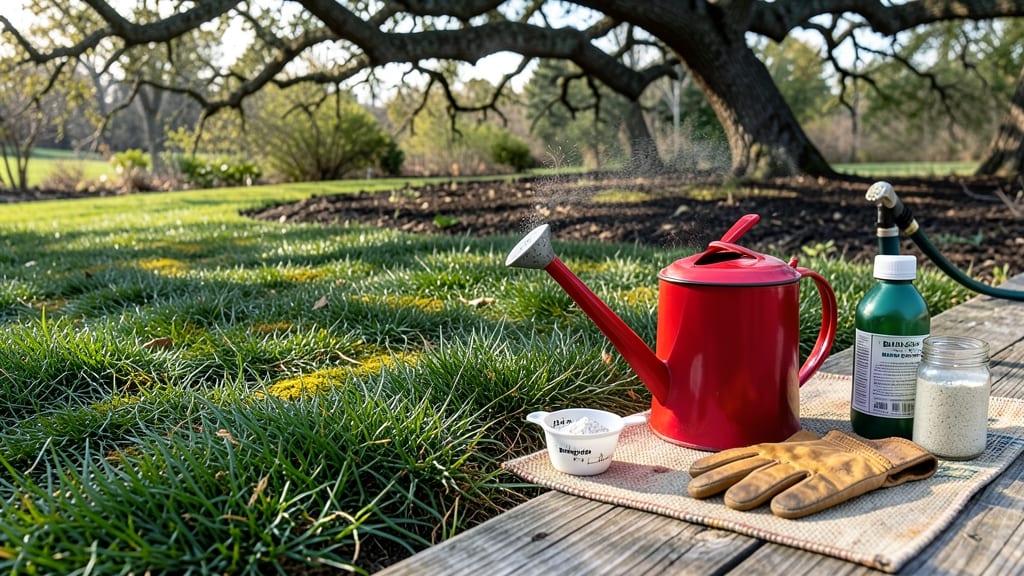
Treating dog urine on lawns can turn your grass into a patchwork of brown—unless you act fast. ✨ The good news? This damage isn’t permanent, and with the right steps, your grass can bounce back in just days. I’ve tested every trick from dilution to soil amendments, and these three methods work faster than anything I found online.
First, dilute the urine immediately by watering the spot thoroughly—this flushes out the ammonia that burns grass roots. Then, train your dog to pee in one designated area (like a gravel patch) to minimize future damage.
For stubborn brown patches, a light layer of compost or overwatering helps restore soil health without harsh chemicals.
Within a week, you’ll see new green growth pushing through, and your lawn will look healthy again. The key is acting quickly—don’t let the urine sit. This method works for any grass type, and it’s completely eco-friendly, so you’re not just fixing the problem, you’re improving your soil too.
If the damage is severe or covers large areas, consider testing your soil pH—dog urine can make soil too acidic over time. A simple lime application can balance it out. For small patches, just keep watering and watch your lawn recover like magic.
The Hidden Culprits Behind Yellow Patches
Dog urine might seem like a simple issue, but the damage it causes to your lawn is actually a complex mix of chemical and biological factors. Understanding why those unsightly brown patches appear is the first step to fixing them.
Let’s break down the science behind the problem—so you can outsmart it before it ruins your grass.
Dog urine is a potent cocktail of nitrogen, phosphorus, and potassium (NPK), with nitrogen being the most concentrated. When a dog pees, the urine’s high nitrogen content—often 10x more concentrated than synthetic fertilizers—gets absorbed into the soil. Here’s what happens next:
- Osmotic shock: The sudden spike in nitrogen draws moisture out of grass blades through osmosis, causing them to wilt and turn crispy.
- pH imbalance: Urine is acidic (pH ~6.5–7.5), which disrupts the soil’s natural balance, making it harder for roots to absorb nutrients.
- Toxicity buildup: Over time, excess nitrogen converts to nitrites, which are toxic to grass at high levels.
Pro tip: 💡 Small, frequent pees are less damaging than one big deposit—dilution is key!
Beyond chemicals, dog urine can physically harm your lawn. Here’s how:
- Weight and frequency: Dogs (especially large breeds) compact soil with each step, reducing aeration and oxygen flow to roots.
- Root suffocation: Compacted soil creates a waterlogged effect, even if it seems dry, because water can’t drain properly.
- Fungal growth: Moist, compacted areas become breeding grounds for lawn fungi like brown patch or dollar spot.
Pro tip: ✨ Test your soil—if it’s hard as a brick, aerate before treating urine damage!
Dog urine doesn’t just harm grass—it also disrupts the soil microbiome, the invisible ecosystem of bacteria and fungi that keep lawns healthy. Here’s the breakdown:
| Good Bacteria | What Urine Does | Result |
|---|---|---|
| Decomposers (break down organic matter) | High ammonia levels kill beneficial microbes | Nutrient cycling slows; grass starves |
| Mycorrhizal fungi (help roots absorb water) | Acidic urine disrupts their symbiotic relationship | Weaker roots = more susceptibility to drought |
| Nitrogen-fixing bacteria | Excess nitrogen outcompetes them | Soil loses natural fertility over time |
Pro tip: 🌡️ Add compost or mycorrhizal inoculants to restore balance after treating urine spots.
Not all lawns suffer equally—some grasses are more resilient to urine damage than others. Here’s how climate and grass type play a role:
- Drought-stressed grass: If your lawn is already thirsty, urine’s moisture-robbing effect accelerates browning.
- Cool-season grasses (Kentucky bluegrass, fescue): More sensitive to nitrogen burn than warm-season types (Bermuda, Zoysia).
- Sun vs. shade: Sunny patches dry faster, but shade-loving grasses (like fine fescue) can’t recover as quickly from osmotic shock.
Pro tip: 🎯 Water deeply after your dog pees—it dilutes the nitrogen and helps grass recover faster.
Fix Yellow Spots Fast
Dog urine can turn your lawn into a patchwork of unsightly yellow spots, but don’t worry—there are effective, easy-to-follow solutions to restore your grass to its lush green self. The key is addressing the cause with the right fix, then preventing future damage.
Below, we break down the most common issues and how to tackle them—plus pro tips to keep your lawn thriving.
If your dog’s urine leaves light yellow patches that fade over time, the damage is usually superficial. The high nitrogen content burns grass but doesn’t kill it outright.
How to Treat It: ✅ Flush with Water Immediately 💦
The moment you notice your dog peeing, hose down the area with water for 10–15 minutes.
This dilutes the urine and washes away excess nitrogen before it can seep into the soil. - Pro Tip: Use a gentle spray nozzle to avoid compacting the soil.
✅ Overseed the Area 🌱
- After flushing, sprinkle grass seed over the spot and lightly rake it in. Choose a fast-growing seed mix (like ryegrass) for quick recovery.
- Keep the soil moist but not soggy for 2–3 weeks to encourage new growth.
✅ Apply a Light Fertilizer 🌿
- Once the spot greens up, use a low-nitrogen, high-potassium fertilizer to help the grass recover faster. Avoid heavy fertilizers—they can worsen the problem.
If the urine creates dark brown, crispy patches that won’t green back up, the grass roots are likely dead. These spots need aggressive treatment to revive the soil and regrow grass.
How to Treat It:
🔪 Remove the Dead Grass 🪓
- Use a hand trowel or putty knife to scrape away the dead grass and any matted thatch underneath. This exposes fresh soil for reseeding.
⏰ Test the Soil 📊 - A DIY soil test kit (available at garden centers) can check pH and nutrient levels.
Dog urine raises alkalinity, so if the pH is too high (above 7.0), amend the soil with sulfur or peat moss to bring it back to 6.0–7.0—ideal for grass.
🌱 Reseed & Mulch 🌾 - Spread high-quality grass seed (matching your lawn type) over the bare spot.
Press it lightly into the soil with a lawn roller or your foot. - Cover with a thin layer of straw or compost to retain moisture and protect the seeds from birds.
💧 Deep Watering Routine 💦
- Water the area twice daily for the first week (morning and evening) to keep the soil moist. After germination (usually 7–14 days), taper to deep, infrequent watering (1 inch per week).
The best way to keep your lawn green is to break the urine-burn cycle before it starts. Here’s how:
💡 Train Your Dog to Pee in One Spot 🎯
- Designate a gravel or mulch area away from your lawn where your dog can relieve themselves. Use positive reinforcement (treats, praise) to encourage consistency.
- Bonus: If you have a large yard, rotate pee spots to distribute damage.
✨ Dilute the Urine on Contact 🚿
- Keep a hose or sprinkler system nearby when walking your dog. Flush the urine within seconds of peeing to minimize damage.
- Pro Tip: If you’re out for a walk, carry a small spray bottle with water for quick fixes.
🌿 Boost Grass Resilience 💪
- Mow high (3–4 inches) to shade roots and retain moisture.
- Aerate your lawn once a year to improve soil drainage and nutrient absorption.
- Use a nitrogen-neutral fertilizer (like compost tea) to strengthen grass against urine burns.
If your lawn has large dead zones (over 2 feet wide) or the soil is extremely compacted, consider hiring a lawn care specialist.
They can: - Perform deep core aeration to revive compacted soil. - Apply soil amendments like gypsum or lime for severe alkalinity. - Recommend drought-resistant grass types if your current grass struggles with urine damage.
With these targeted fixes, your lawn can bounce back in as little as 2–4 weeks—no more yellow crime scenes! 🚀 The key is acting fast, reseeding smart, and preventing future burns. Your grass will thank you.
Frequently asked questions
Why does dog urine turn grass brown?
The high nitrogen concentration in dog urine (up to 10x stronger than fertilizer) causes osmotic shock, drawing moisture from grass blades. This creates burn marks that turn brown within hours. The acidic pH also disrupts soil microbes, preventing recovery. Small, frequent pees are less damaging than one big deposit.
How quickly should I treat urine spots?
Act within 10-15 minutes for best results. The longer urine sits, the deeper the nitrogen penetrates, making damage permanent. Keep a hose handy during walks—immediate flushing with 10-15 minutes of water dilutes the ammonia and prevents root burn.
Can I use vinegar to neutralize dog urine?
No, vinegar (acetic acid) will lower soil pH further, making the problem worse. Instead, use water to dilute or apply a thin layer of compost (1/4 inch) to balance nitrogen. For severe cases, test your soil—lime may be needed to restore pH balance.
Will my lawn recover on its own?
Minor spots may fade in 2-4 weeks with regular watering, but deep brown patches need intervention. Reseed with fast-growing grass (like ryegrass) and keep soil moist. Without treatment, urine damage can kill grass roots permanently, leaving bare patches.
Are some grass types more resistant?
Yes! Warm-season grasses (Bermuda, Zoysia) handle urine better than cool-season types (Kentucky bluegrass). For high-traffic areas, consider drought-resistant blends or overseed with clover, which tolerates nitrogen better.