
Pruning
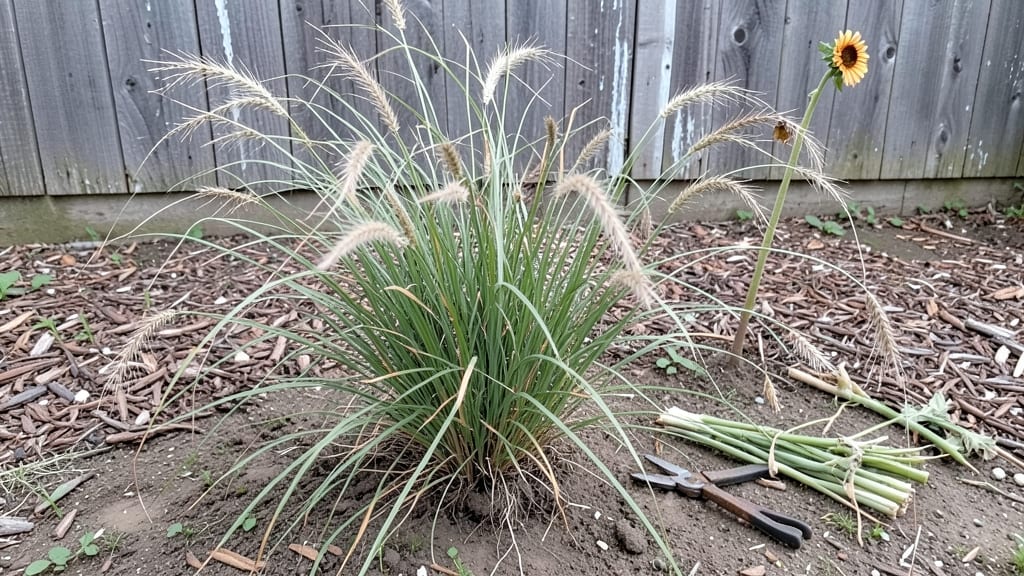
Trimming fountain grass isn't just about cutting—it's about sculpting a plant that stays lush and upright all year. ✨ My first attempt left it looking like a sad, uneven mop, but once I learned the right timing and technique, my fountain grass became the standout feature of my garden.
The key is patience: you're not just trimming, you're shaping for seasons to come.
You'll need sharp bypass pruners or a clean pair of hedge shears, plus a sturdy stool if your grass is tall. The best time is late winter or early spring, just as new growth begins.
Never cut more than one-third of the plant at once, or you'll shock it into dormancy. For winter interest, leave about 6 inches of height—this protects roots and adds texture to cold-season gardens.
Start by removing any dead or brown foliage first—this clears the way for fresh growth. Then, cut back the entire plant to your desired height, making even cuts at a slight angle.
The goal is to maintain a rounded shape that lets light reach the center. After trimming, your fountain grass will rebound with vibrant, upright plumes that stay compact and full.
In hot climates, a light trim in midsummer can prevent flopping, while in colder zones, a single late-winter cut works perfectly. The trick is consistency: once you establish a routine, your fountain grass will reward you with effortless elegance. Ready to transform that wild clump into a garden star?
📚 In This Guide
- What you need
- Instructions
- Tips and common mistakes
- Wrapping up and next steps
What you need
- ○ Pruning shears or hedge clippers – Choose sharp, bypass-style shears (4–6" blades) for clean cuts. Optional: Heavy-duty hedge clippers (8–12" blades) for thick clumps.
- ● Pruning saw – For thick, woody stems (if your fountain grass has matured). A curved-blade saw works best.
- ● Gloves – Heavy-duty gardening gloves (nitrile-coated for grip and protection against thorns or sap).
- ● Loppers – Long-handled (24–36") for reaching tall fountain grass varieties.
- ○ Pruning sealant – Optional but helpful for sealing large cuts to prevent disease (use a latex-based product).
- ● Rake or leaf blower – To clear debris after trimming.
- ● Watering can or hose – For post-pruning hydration (especially in hot/dry climates).
- ● Measuring tape or string – To mark even trimming lines for symmetry.
- ● Safety glasses – Highly recommended if working with dense foliage or near eyes.
- ● Choose the right time – Trim fountain grass in early spring (before new growth) or late summer (after flowering). Avoid pruning in winter (unless deadheading).
- ● Check the weather – Pick a mild, overcast day (avoid extreme heat or wind).
- ● Assess the plant’s health – Remove dead, diseased, or pest-infested stems first before shaping.
- ● Clear the workspace – Remove rocks, toys, or tools from the area to avoid accidents.
How to trim fountain grass for a clean, neat appearance
Here's my go-to method for keeping fountain grass looking sharp without damaging the plant.
✂️ Step 1: Time Your First Cut for Late Winter or Early Spring
Wait until late February or early March when new growth begins but before the plant sends up more than 3-4 inches of fresh shoots. This timing ensures you're cutting back old growth while leaving enough energy in the plant to regenerate. You'll notice the old, brown fronds turning crispy at the tips—that's your cue.
If you live in a warmer climate, aim for just before the first heavy rains of early spring. The plant needs moisture to recover from the cut. I always check the weather forecast for a dry day—wet grass is harder to trim cleanly and can clog your shears.
🌿 Step 2: Cut Back to the Crown in One Clean Motion
Use sharp, clean pruning shears to make a single, straight cut about 1-2 inches above the base where the grass meets the soil. Avoid multiple cuts—they create uneven edges and stress the plant. I like to hold the grass firmly at the base with one hand while cutting with the other to prevent the plant from flopping over mid-cut.
Don't cut into the crown itself (the thick, woody base). You'll know you're too low when you see a dense, swollen center—this is where new growth emerges. If you accidentally cut into it, the plant may take longer to recover or even rot. For large clumps, work in sections to maintain control.
☀️ Step 3: Monitor Growth and Make Maintenance Trims
After the first hard cut, fountain grass grows back quickly. Watch for new shoots reaching 6-8 inches tall before making your next trim. These maintenance cuts keep the shape tight and encourage bushier growth. I usually do 2-3 light trims throughout the growing season, always cutting back one-third of the new growth at a time.
In late summer, you can give it a final light trim to clean up any straggly fronds. Avoid heavy cuts after mid-summer—the plant needs time to harden off before winter. If you see brown tips developing, that's a sign to hold off until spring.
⏰ Step 4: Prepare for Winter with a Final Light Trim
In late fall, about 4-6 weeks before your first frost, give the grass one last light trim. Cut back any dead or damaged fronds but leave the healthy growth intact. This prevents snow from weighing down weak stems and protects the crown from winter damage. I never cut more than 10-15% of the plant's height at this stage.
Leave the trimmed fronds on the ground—they act as natural mulch, insulating the roots. If you must remove them, compost them instead of tossing them. The plant will push new growth in spring, so don't worry about a bare look. Just avoid cutting into old growth that's already browned out.
Tips & tricks for perfect fountain grass pruning
A few precision techniques will keep your fountain grass looking sharp all year without stressing the plant.
Timing is Everything: The late February to early March window is critical for the first cut—this is when the plant starts regenerating but hasn't yet sent up too much new growth. I test for readiness by looking for crispy brown tips on old fronds, which means the plant is ready for a fresh start. In warmer climates, time your cut just before spring rains to give the plant moisture for recovery. A dry day is ideal for clean cuts and to prevent clogged shears.
Equipment Matters: Sharp pruning shears are non-negotiable—dull blades tear the grass instead of making clean cuts. I like to sharpen my shears annually or after heavy use. For large clumps, consider using a small pruning saw for the thickest stems. Always clean your shears with rubbing alcohol between cuts to prevent spreading disease. For a more controlled look, you can also use hedge shears for the final shaping touches.
Maintenance Strategy: When doing your 2-3 light maintenance trims throughout the growing season, always cut back just one-third of the new growth at a time. This gradual approach encourages bushier growth rather than forcing the plant to produce long, leggy stems. I find it helpful to mark the height with a stake or string when I first start trimming so I can maintain consistent height throughout the season.
Winter Prep Secret: That late fall trim is more about cleanup than drastic cutting—focus on removing only dead or damaged fronds while leaving healthy growth intact. The trimmed fronds left on the ground act as natural mulch, protecting the crown from winter damage. I never cut more than 10-15% of the plant's height in fall, as this gives it enough energy to push through in spring. For large clumps, work in sections to avoid over-stressing the plant.
Pro Tips for Trim Fountain Grass
- A few precision techniques will keep your fountain grass looking sharp all year without stressing the plant.
- Timing is Everything: The late February to early March window is critical for the first cut—this is when the plant starts regenerating but hasn't yet sent up too much new growth.
- Equipment Matters: Sharp pruning shears are non-negotiable—dull blades tear the grass instead of making clean cuts.
Frequently asked questions
Got questions about keeping your fountain grass looking its best? Here are some of the most common concerns—and their answers—to help you trim with confidence!
When is the best time to trim fountain grass?
Trim fountain grass in early spring (just as new growth emerges) and again in late summer or early fall to maintain shape. Avoid cutting back in winter—it’s dormant and vulnerable. For a neat, layered look, trim lightly every 4–6 weeks during the growing season.
How short can I trim fountain grass without harming it?
Never cut more than ⅓ of the plant’s height at once. Fountain grass thrives with a natural, flowing shape, so aim to leave at least 6–12 inches of foliage. Over-trimming weakens the plant and can kill it. If you’ve already trimmed too much, stop and let it recover before resuming.
What’s the difference between trimming and pruning fountain grass?
Trimming refers to regular maintenance cuts to shape the plant, while pruning targets dead, damaged, or overgrown sections. For fountain grass, focus on trimming for aesthetics and prune only brown or broken blades with clean cuts. Use sharp shears or a hedge trimmer for both tasks.
Can I trim fountain grass in winter? What about frost?
Wait until spring to trim—winter cuts can expose the plant to frost damage. If you must clean up in cold months, remove only dead foliage (leave the base intact). Frost-killed blades will turn brown but can be trimmed back in early spring. Avoid cutting into green growth until temperatures rise.
What if my fountain grass looks ragged after trimming?
Ragged edges happen when cuts are uneven or too aggressive. For a polished look, trim in layers (start at the top and work downward) and use a sharp tool to avoid tearing. If the plant still looks messy, try a light mist of water to help blades stand upright, or add a thin layer of mulch at the base for support.
Are there alternatives to trimming fountain grass for a tidy look?
Yes! If trimming feels tedious, try these low-maintenance options:
- Natural styling: Let it grow wild for a textured, boho look—just remove dead fronds.
- Mulch or rocks: Hide the base with mulch or decorative stones to reduce visibility.
- Companion planting: Pair with low-growing perennials (like sedum or ornamental grasses) to mask overgrowth.
Wrapping up and next steps
Trimming fountain grass isn’t just about keeping it tidy—it’s about revitalizing its growth, enhancing its beauty, and ensuring it thrives year-round. With the right tools, timing, and techniques, you’ll transform your yard into a lush, sculpted oasis that turns heads. 🌿✨
Ready to take the next step? Grab your pruners, schedule your first trim, and watch your fountain grass flourish. And if you’re feeling adventurous, experiment with different shapes—your green thumb will thank you!