
Vegetables
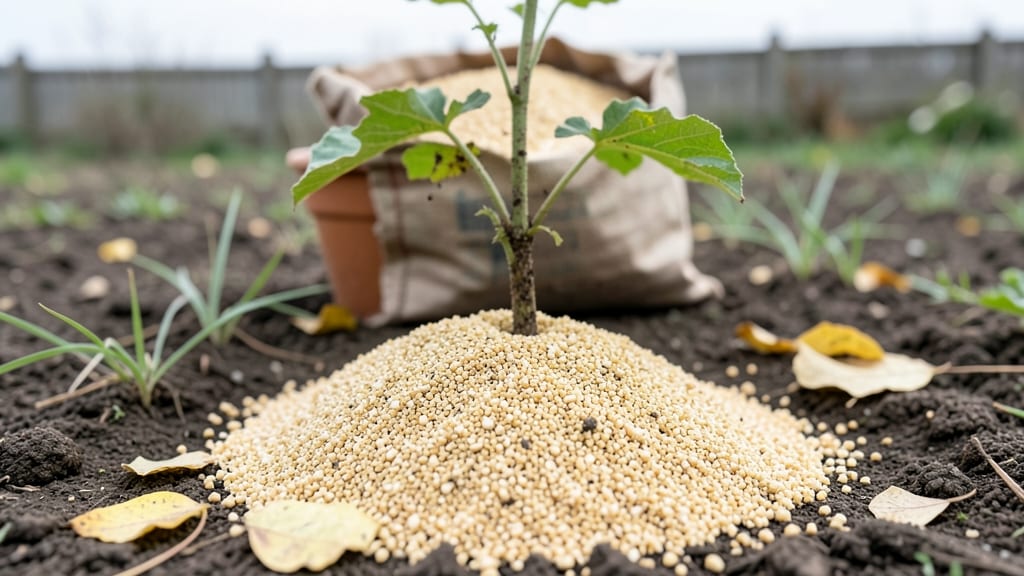
Using cornmeal for grass prevents weeds by disrupting their germination while enriching soil with slow-release nutrients. Spread it evenly in dry conditions for optimal results.
Cornmeal works because its starch content creates a nutrient-rich environment that confuses weed seeds, tricking them into thinking they've sprouted when they haven't. 🌱 This natural approach is especially effective in early spring before weed seeds germinate, giving your lawn a head start.
Unlike chemical herbicides, it won't harm existing plants or beneficial insects, making it a safer choice for organic gardens. For best results, apply about 20 pounds per 1,000 square feet when soil temperatures are between 55-65°F.
One key advantage is that cornmeal breaks down over time, feeding soil microbes and improving texture. This dual-action makes it a favorite among gardeners who want both weed control and soil enhancement. Just remember to reapply every 4-6 weeks during active growing seasons for continuous protection.
💡 In This Article
- How Cornmeal Prevents Weed Growth in Lawns
- Best Application Techniques for Cornmeal in Gardens
How cornmeal prevents weed growth in lawns
Cornmeal works its magic through a clever chemical trick involving its starch content. When applied to soil, the coarse granules create a physical barrier that blocks sunlight from reaching weed seeds, while the starch itself acts as a nutrient magnet.
Weed seeds detect the starch as a germination signal, causing them to sprout prematurely or not at all.
This process is called "starch-induced dormancy," where seeds waste their energy reserves trying to grow in an unfavorable environment. 🌱 The key difference from synthetic pre-emergents is that cornmeal doesn't kill seeds outright—it confuses them into inaction.
The effectiveness peaks in dry conditions because moisture triggers the starch breakdown process. When cornmeal absorbs water, natural enzymes called amylases convert the starch into simple sugars, creating a temporary "sugar rush" that further disrupts weed seed chemistry.
This is why application rates of 20-30 pounds per 1,000 square feet work best in spring when soil temps are 55-65°F—the sweet spot for both starch activation and weed seed activity. Unlike chemical herbicides that require precise timing, cornmeal's mechanism gives you a 4-6 week window of protection.
Here's where it gets interesting: cornmeal doesn't just suppress weeds—it feeds beneficial soil microbes. The slow breakdown process releases carbon compounds that stimulate fungal and bacterial growth, creating a competitive environment where weeds struggle to establish roots.
This microbial boost explains why cornmeal-treated soil often shows improved texture and water retention over time. The contrast with synthetic pre-emergents is striking—while chemicals like prodiamine create toxic soil conditions, cornmeal enhances the ecosystem while still controlling weeds. 🌿
One limitation worth noting is that cornmeal works best on annual weeds rather than established perennial invaders like dandelions. For these tougher targets, you'll need to combine it with other methods like hand-pulling or targeted spot treatments.
The starch mechanism also means you should avoid applying it when heavy rain is forecast—excessive moisture can wash away the protective layer before it has a chance to work its magic. This is why many gardeners apply it in late afternoon when evening dew will help it settle.
For comparison, synthetic pre-emergents typically contain active ingredients like pendimethalin or benefin that work by inhibiting cell growth in weed seedlings. These chemicals can remain effective for 3-6 months but often require protective clothing during application.
Cornmeal, by contrast, breaks down completely within 4-8 weeks, leaving no harmful residues. The trade-off is that you'll need to reapply cornmeal more frequently for continuous protection during growing seasons. 💫
The science behind cornmeal's weed suppression actually dates back to agricultural research in the 1970s, where scientists discovered that certain starches could disrupt plant hormone signaling.
What makes cornmeal particularly effective is its medium-coarse grind—too fine and it would wash away, too coarse and it wouldn't create the proper nutrient gradient. This optimal particle size creates the perfect conditions for both weed confusion and microbial stimulation simultaneously.