
Pruning
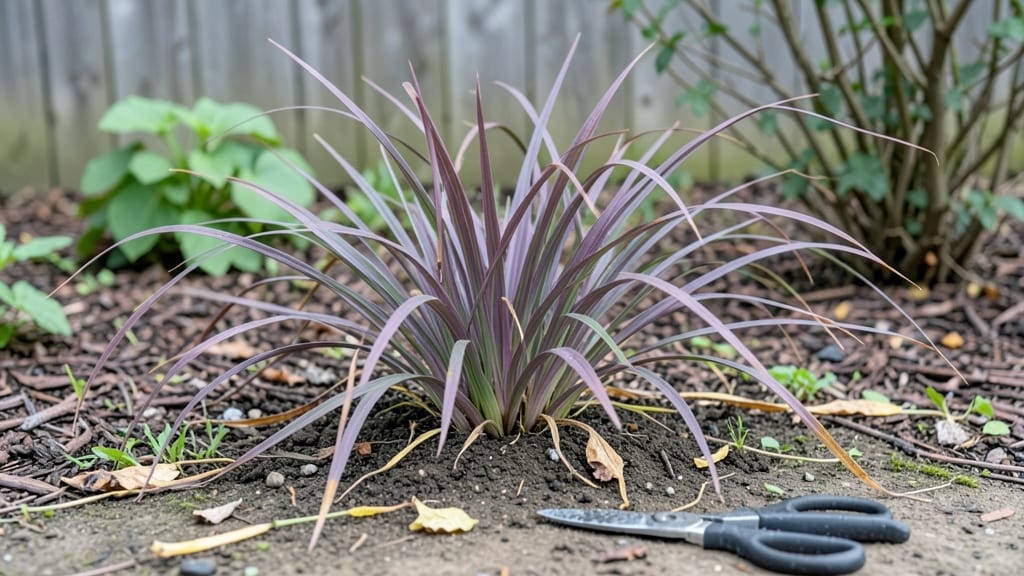
Trimming purple fountain grass transforms it from a wild clump into a showstopping centerpiece. 🌿 I’ve learned the hard way that skipping this step leads to floppy, leggy plants—but once you master it, your grass stays compact, vibrant, and full of that signature purple hue all year.
The best time to trim is late winter or early spring, right before new growth starts. You’ll need sharp bypass pruners or a clean hedge trimmer, and a sunny day to work in.
Cut back about one-third of the plant’s height, focusing on the oldest, most woody stems first. This encourages fresh, bushier growth from the base.
You’ll see a dramatic difference in just a few weeks—new shoots emerge with a deep purple tint, and the plant fills out denser than before. The key is consistency: a quick trim every 6-8 weeks keeps it from getting too leggy.
Over-trimming weakens the plant, while under-trimming lets it look ragged by summer.
This method works for containers, borders, or as a standalone specimen. Whether you’re a first-time gardener or a seasoned pro, these steps will keep your purple fountain grass looking its best with minimal effort. Let’s get those shears ready!
📚 In This Guide
- What you need
- Instructions
- Tips and common mistakes
- Wrapping up and next steps
What you need
- ● Hand pruners or shears: Sharp, bypass-style pruners (for clean cuts on thinner stalks). Example: Felco F-2 or Corona Tools Classic.
- ● Hedge shears: Long-handled (24–36 inches) for taller grass. Example: Fiskars ErgoLogic or Gardena.
- ● Heavy-duty gloves: Cut-resistant (e.g., Mechanix or garden-specific gloves) to protect hands from sharp blades and thorns.
- ○ Loppers: For thicker stems (optional but helpful if your grass has woody bases). Example: 20-inch bypass loppers.
- ● Pruning saw: Only if dealing with extremely thick, mature stalks (rare for young plants). Example: Felco F-2 pruning saw.
- ● Garden kneeler/pad: For comfort while trimming low or dense areas.
- ● Garden twine or stakes: To temporarily tie back sections if shaping is complex.
- ● Rake or leaf blower: To clear debris after trimming.
- ● Water spray bottle: For dampening dusty grass before cutting (improves visibility).
- ● Disinfectant (70% isopropyl alcohol or bleach solution): To clean tools between cuts and prevent disease spread.
- ● Pruning spray: A mix of water and mild soap to reduce fungal risks after cuts.
- ● Plant food or fertilizer: Light application post-trimming to encourage regrowth (e.g., slow-release granular fertilizer).
- ● String trimmer (weed whacker): For large, overgrown patches—use cautiously to avoid damaging the crown.
- ● Safety goggles: If trimming near dusty or dry conditions.
- ● Camera or reference photo: To capture "before" shots for tracking progress!
- ● Check the weather: Trim on a dry, overcast day or early morning to avoid stressing the plant with heat.
- ● Water the grass 24 hours before trimming to reduce stress and improve cut clarity.
- ● Wear long sleeves/pants to protect against sun exposure and minor scratches.
- ● Read up on your grass’s growth habits—purple fountain grass thrives with 1/3 to 1/2 of the plant removed per trim.
Step-by-Step guide for trimming purple fountain grass
Here's how to keep your ornamental grass looking lush and healthy through every season.
✂️ Step 1: Time Your First Cut for Spring Awakening
Wait until late winter or early spring—just as new growth begins to emerge from the base. You'll notice fresh, bright green shoots pushing through the old foliage. This is your signal that the plant is waking up from dormancy and ready for its first trim of the year.
Use clean, sharp pruners or hedge shears to cut back the entire plant by one-third to one-half of its height. The goal is to remove the old, brown growth while leaving enough new growth to maintain the plant's structure. If you're unsure, err on the side of leaving more—purple fountain grass is resilient and will bounce back.
Here's the thing—this first cut encourages fresh, vibrant growth for the season. If you trim too early, you risk cutting back new growth that's just starting. If you wait too long, the old growth can become woody and harder to remove. Watch for those first green shoots, and you'll know you're ready.
✂️ Step 2: Shape and Thin Throughout the Growing Season
Once your purple fountain grass has established new growth, you'll want to maintain its shape and encourage fullness. Every 4-6 weeks during the growing season, inspect the plant for any straggly stems or overgrown sections. Use your shears to trim back any stems that are growing too long or out of place.
Focus on thinning out the center of the plant first. Purple fountain grass tends to grow denser in the middle, so gently pull out or trim any stems that are crowding the center. This allows air to circulate and prevents disease. You'll see the plant's natural fountain shape emerge as you work, with stems arching gracefully outward.
Don't be afraid to get creative with shaping. Purple fountain grass responds well to pruning, so you can trim it into a more formal shape if you prefer. Just remember to leave at least 6-8 inches of growth at the base to maintain the plant's vigor. If you cut too low, you risk damaging the crown and weakening the plant.
✂️ Step 3: Prepare for Winter Dormancy
As temperatures drop and the plant begins to slow down, it's time to prepare for winter. In late fall, you'll notice the foliage turning brown and the growth slowing significantly. This is your cue to give the plant a final trim for the season.
Cut back the entire plant by about one-third to remove any dead or dying foliage. You don't need to be as precise with this trim—focus on cleaning up the plant and removing any debris that could harbor pests or disease over winter. Leave the stems slightly longer than your spring trim, as this provides some protection for the crown during colder months.
After trimming, you can leave the cut stems in place over winter. The natural texture and color add winter interest to your garden. In early spring, you'll simply remove the old stems and start the process over again. This final trim ensures your purple fountain grass looks tidy and healthy as it enters dormancy.
✂️ Step 4: Revive and Refresh After Winter
Once spring arrives and you're ready to start fresh, give your purple fountain grass a little extra care. In early spring, before new growth emerges, remove any remaining dead or broken stems. This step is all about tidying up and making room for the new growth to shine.
You might notice some bare spots or thinning areas after winter. To encourage fullness, you can gently separate and replant any clumps that have outgrown their space. Purple fountain grass spreads easily, so dividing it every few years keeps it healthy and vibrant. Water the plant thoroughly after dividing to help it establish quickly.
With your purple fountain grass trimmed and refreshed, it's ready to put on a show for the season. Keep an eye on it throughout the year, and you'll enjoy lush, vibrant growth that adds texture and movement to your garden. Real talk: a little regular maintenance goes a long way in keeping this ornamental grass looking its best.
Tips & tricks for perfect purple fountain grass maintenance
These little details make all the difference in keeping your purple fountain grass thriving year after year—don't skip them!
Timing is Everything: That first spring trim in Step 1 is crucial—wait until you see those first bright green shoots emerging from the base. I've learned the hard way that cutting too early removes precious new growth, while waiting too long makes the old stems woody and harder to remove. Think of it like catching a wave: you want to trim just as the plant starts its upward surge.
Tool Prep Matters: Before you start, take 2 minutes to clean and sharpen your pruners or shears. Dull blades crush stems instead of cleanly cutting them, which can damage the plant. I keep a small brush in my tool bag to clear away debris after each trim—it makes all the difference in keeping my tools ready for the next use.
Shape with Purpose: In Step 2, when shaping your grass, focus on creating airflow by thinning the center first. I like to visualize an open fountain shape—like water cascading outward—rather than a dense clump. This prevents disease and lets you see the graceful arch of each stem. For formal gardens, you can trim into a more structured shape, but always leave those 6-8 inches at the base.
Winter Strategy: That late fall trim in Step 3 is your chance to clean up while preparing for winter. I leave the stems slightly longer than spring trims because they provide natural insulation for the crown. Plus, the dried stems add beautiful texture to winter landscapes. Just don't leave them too long—they should still look tidy, not wild.
Pro Tips for Trimming Purple Fountain Grass
- These little details make all the difference in keeping your purple fountain grass thriving year after year—don't skip them!
- Timing is Everything: That first spring trim in Step 1 is crucial—wait until you see those first bright green shoots emerging from the base.
- Tool Prep Matters: Before you start, take 2 minutes to clean and sharpen your pruners or shears.
Frequently asked questions
Got questions about keeping your purple fountain grass looking its best? You’re not alone! Here are answers to the most common queries—from timing to troubleshooting—so you can trim with confidence.
When is the best time to trim purple fountain grass?
Trim your purple fountain grass after it goes dormant in late fall or early winter (typically November–December). This removes dead foliage and encourages fresh, vibrant growth in spring. Avoid trimming in spring or summer—you’ll cut off new growth and weaken the plant.
How short can I trim purple fountain grass?
Never cut more than 1/3 of the plant’s height at once. For most varieties, aim to trim back to 12–18 inches in winter. Over-trimming can stress the plant or expose the crown to rot. If you’re unsure, leave it taller—it’s hardier than you think!
What if my purple fountain grass looks brown and crunchy after trimming?
Don’t panic! Brown, dry foliage is normal in winter. Trim it back to healthy green growth (or the base if no green remains). Once spring arrives, new shoots will emerge from the base. If the center stays bare, it may signal over-trimming or disease—check for pests or rot.
Can I trim purple fountain grass in summer for a neater look?
While you can lightly shape it in summer, avoid heavy trimming. Purple fountain grass grows best when left mostly intact. If you must prune, use sharp shears and remove only 10–20% of the height to avoid stress. Water well afterward to help recovery.
What’s a good alternative if I don’t want to trim purple fountain grass?
If maintenance feels like too much, consider these low-fuss alternatives:
- Dwarf fountain grass (e.g., Pennisetum ‘Hameln’): Grows slower and needs less trimming.
- Muhly grass (Muhlenbergia): Fluffy plumes with minimal upkeep.
- Ornamental sedges (e.g., Carex): Stay compact and tidy naturally.
Wrapping up and next steps
Trimming your purple fountain grass doesn’t have to be intimidating—with the right tools, timing, and technique, you’ll keep it lush, vibrant, and thriving year-round! 🌿 Whether you’re shaping it for aesthetics or maintaining its health, consistency is key.
Now that you’re armed with expert tips, grab those shears and give your grass the care it deserves.
Ready to elevate your garden’s curb appeal? Start by scheduling your next trim—spring and fall are your best friends for keeping this beauty in top form. Happy gardening! 🌸✂️