
Pruning
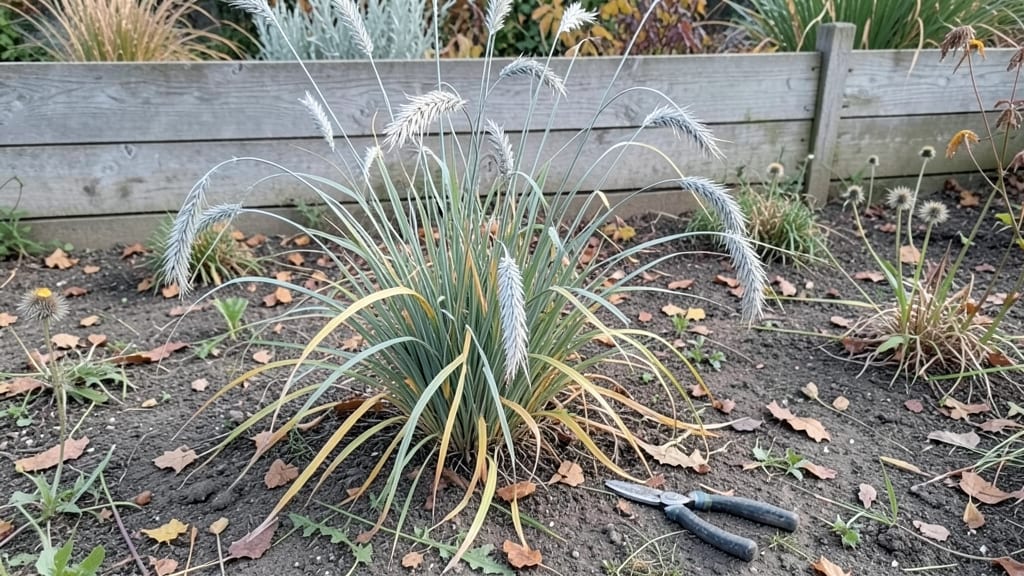
Trimming ornamental grass transforms a wild, scraggly mess into a showstopping focal point that stays lush all year. ✨ I’ve learned the hard way that cutting at the wrong time or with the wrong tools can turn your grass into a sad, bare clump—so I’m sharing the exact timing and techniques that keep mine looking intentional, not neglected.
The key is matching your cuts to the grass type and season: fountain grass thrives with a late-winter trim, while maiden grass needs a clean-up in early spring.
You’ll need sharp shears or hedge trimmers (dull blades tear, not cut), and a clear plan—thinning out old growth first, then shaping the edges. Most people skip this step, which is why their grass looks half-dead by summer.
After trimming, your ornamental grass will rebound with vibrant new growth, denser clumps, and a shape that lasts through heat and frost. The before-and-after difference is dramatic—imagine that same wild tangle now sleek, textured, and ready to anchor your garden’s design.
Here’s how to make it happen without a single brown patch left behind.
This method works for all ornamental grasses, from feathery varieties to bold upright types, and adapts to both formal hedges and naturalistic drifts. The only rule? Never trim more than one-third of the plant at once—your grass will thank you with years of effortless beauty.
📚 In This Guide
- What you need
- Instructions
- Tips and common mistakes
- Wrapping up and next steps
What you need
- ● Heavy-duty pruners or hedge shears – Look for bypass pruners with 5- to 8-inch blades for clean cuts. (1 pair)
- ● Sharp garden shears or a string trimmer – Ideal for thatch removal or trimming thick clumps. (1)
- ● Pruning saw – For overgrown, woody stems (if your grass has thick stalks). (1)
- ● Gloves (heavy-duty, cut-resistant) – Protects hands from sharp blades and thorns. (1 pair)
- ○ Knee pads or a small stool – Saves your back when trimming low or dense areas. (Optional but recommended)
- ● Rake or leaf blower – Clears debris after trimming. (1)
- ○ Garden hose or bucket of water – Keeps blades cool and dust-free. (Optional but handy)
- ● Weather check – Trim on a dry, calm day (avoid windy or rainy conditions).
- ● Safety goggles – Shields eyes from flying debris. (1 pair)
- ● Long sleeves/pants – Protects against scratches or sun exposure.
- ● Ladder (if needed) – For tall ornamental grass (e.g., Pampas grass or Miscanthus). (1, with stabilizers)
- ○ Extension cord (if using electric tools) – For hard-to-reach areas. (Optional)
Step-by-step guide to trimming ornamental grass like a pro
Here’s the straightforward method I use to keep ornamental grasses looking sharp all year—no guesswork, just clean cuts.
✂️ Step 1: Time Your First Cut for Late Winter or Early Spring
Wait until new growth appears—usually late February to early March—before making your first cut. This ensures you’re removing only dead, brown foliage while leaving fresh green shoots intact. I always test the grass first: if it feels woody or brittle, it’s ready for trimming.
Never cut into the crown (the base where leaves meet the soil). This is where next year’s growth begins, and cutting too low will weaken the plant. Aim to remove one-third of the plant’s height at most. If your grass is overgrown, split the trimming into two sessions a week apart.
☀️ Step 2: Use the Right Tools for Clean Cuts
Sharp horticultural shears or a string trimmer with a sharp blade make all the difference. Dull tools tear grass blades, leaving ragged edges that look unkempt. I like to test my shears on a few blades first—if they resist cutting cleanly, sharpen them before starting.
For taller grasses, a string trimmer works best, but keep the blade 1-2 inches above the ground to avoid damaging the crown. If you’re using shears, hold the blades parallel to the ground and make a single, smooth cut. Never yank or saw—this crushes the blades and invites disease.
🌱 Step 3: Trim in Stages for a Natural Look
Start by removing the oldest, most browned foliage first. These are the blades that feel dry and crunchy when you touch them. Work in sections, stepping back occasionally to check your progress—this helps you see where you’ve missed spots.
For grasses with seed heads, leave them until they turn completely brown (they add winter interest!). Once they’re dry, snip them off at the base. If your grass has arching or flopping blades, trim the longest stems first to restore balance. Think of it like styling hair—you want movement, not a rigid, flat look.
⏰ Step 4: Schedule Mid-Season Maintenance
About 6-8 weeks after your first trim, check for overgrowth again. This is when grasses like Miscanthus or Pennisetum can get leggy. Give them a light trim to encourage bushier growth—just enough to shape them without cutting into fresh green.
Here’s the thing—never trim below the lowest leaf node. This is where the plant stores energy. If you’re unsure, look for the tight cluster of leaves near the base. That’s your stopping point. A good rule: if you see green, stop cutting.
🪴 Step 5: Winter Prep for Next Year
In late fall, leave the grasses standing for winter interest—unless they’re completely dead. Then, trim them back to 4-6 inches tall before the first hard frost. This prevents snow from weighing down the stems and keeps the plant healthy.
After trimming, rake up debris to improve airflow around the base. This reduces pests and disease risk. I also like to add a light layer of mulch (if your climate gets cold) to protect the crown over winter. No mulch? A thick layer of leaves works just as well.
Tips & tricks for perfect ornamental grass trimming
These pro tips will help you achieve that polished, professional look while keeping your ornamental grasses healthy and thriving.
The Timing Factor: Don't rush your first cut—wait until you see those first fresh green shoots in late February or early March. I've made the mistake of trimming too early, and the plant just looked sad and over-pruned. That woody, brittle feel is your cue that it's time. For overgrown grasses, split your trimming into two sessions a week apart to avoid shocking the plant by removing too much at once.
Tool Technique: Your tools are only as good as their sharpness. Before you start, test your shears or string trimmer on a few blades—if they resist cutting cleanly, sharpen them immediately. For string trimmers, keep that blade at least 1-2 inches above the ground to protect the crown. I've learned the hard way that yanking or sawing through grass crushes the blades and creates perfect entry points for diseases. Make one smooth cut instead.
Visual Cues for Perfect Cuts: When trimming in stages, work from oldest to newest foliage—those dry, crunchy blades are your targets. For grasses with seed heads, leave them until they're completely brown for that beautiful winter texture. And here's a trick I picked up: when restoring balance to arching blades, trim the longest stems first. It's like giving your grass a haircut—you want movement, not a flat, rigid look.
Seasonal Strategy: In late fall, resist the urge to trim everything back. Leave those grasses standing for winter interest unless they're completely dead. When you do trim for winter prep, cut back to just 4-6 inches tall before the first hard frost. This simple height prevents snow damage and keeps your plants healthy for next season. I always rake up debris afterward to improve airflow and reduce pest problems.
Pro Tips for Trimming Ornamental Grass
- These pro tips will help you achieve that polished, professional look while keeping your ornamental grasses healthy and thriving.
- The Timing Factor: Don't rush your first cut—wait until you see those first fresh green shoots in late February or early March.
- Tool Technique: Your tools are only as good as their sharpness.
Frequently asked questions
When is the best time to trim ornamental grass?
Timing depends on your grass type. For warm-season grasses (like maiden grass or fountain grass), trim in late spring or early summer after new growth appears. Cool-season grasses (like feather reed grass) should be trimmed in early spring or fall to avoid winter damage. Always avoid cutting into old growth—focus on 1/3 of the plant’s height max per trim!
Can I use regular lawnmower blades for ornamental grass?
Not ideal! Ornamental grass often has thick, fibrous stems that dull blades quickly. Instead, use sharp pruners, hedge shears, or a string trimmer for clean cuts. For large clumps, a grass-specific trimmer or even pinking shears (for decorative edges) work best. Never use a lawnmower on ornamental grass—it tears leaves and stresses the plant.
What should I do if I trimmed too much by accident?
Don’t panic! If you’ve over-trimmed, your grass may look brown or bare temporarily. Stop trimming immediately and wait for new growth (usually 2–4 weeks). Keep the soil moist but not soggy and avoid fertilizing until regrowth appears. If the center looks woody or hollow, it’s a sign of over-trimming syndrome—reduce future cuts to 1/3 of height max.
Is there a way to trim ornamental grass without shearing it flat?
For a natural, textured look, try these alternatives:
- Ragged edges: Use pruners or hedge shears to snip selectively for a wild, organic shape.
- Thinning: Remove dead or overcrowded stems at the base to improve airflow.
- Layered trimming: Trim outer layers first, then inner growth to create depth.
Why does my ornamental grass turn brown after trimming?
Brown tips or patches after trimming usually mean one of three things:
- Stress from over-cutting: If you trimmed more than 1/3 of the plant, it may take weeks to recover.
- Drought or heat stress: Thin leaves dry out faster—water deeply after trimming.
- Fungal issues: If brown spots spread quickly, it could be brown patch disease. Remove debris and apply fungicide if needed.
Wrapping up and next steps
Trimming ornamental grass isn’t just about keeping your yard neat—it’s a game-changer for its health, vibrancy, and year-round appeal. 🌿 Whether you’re shaping plumes, encouraging new growth, or preventing pests, the right technique makes all the difference.
With the tools, timing, and tips in hand, you’re ready to give your grasses the care they deserve.
So, roll up your sleeves and get trimming! Start small—pick one section of your yard to practice—and watch as your ornamental grasses transform into a stunning, low-maintenance focal point. Happy gardening! 🌟