
Pruning
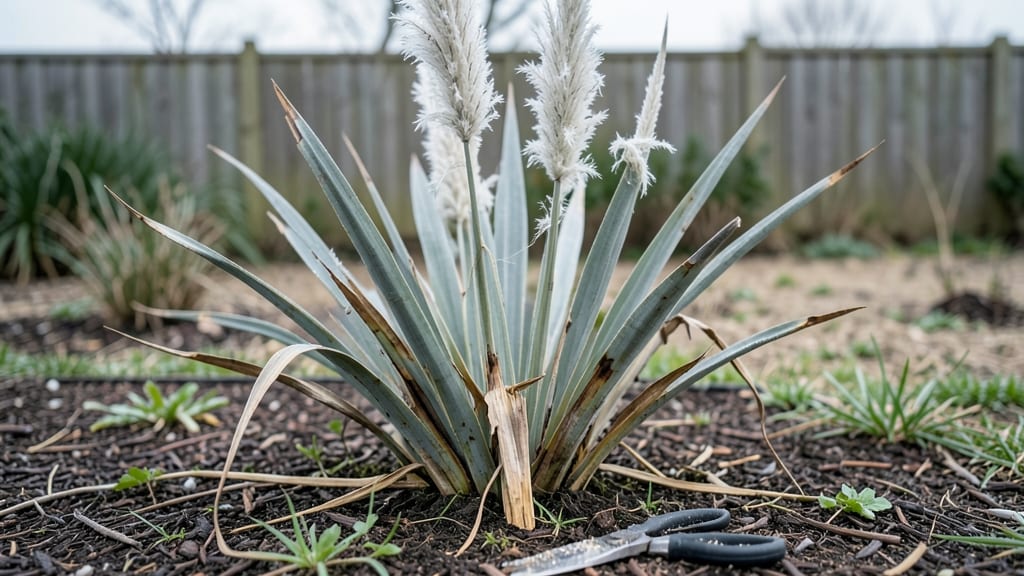
To cut back pampas grass properly, trim one-third of its height in late winter or early spring, leaving 12–18 inches of stems above the ground. This preserves the crown while encouraging vigorous new growth. Never cut into old stems or remove all foliage, as this risks damaging the plant's health.
Understanding pampas grass pruning means recognizing its growth cycle—this ornamental grass thrives when you remove only the oldest stems while keeping the younger, more flexible ones. 🌿 The 12–18 inch rule ensures the plant retains enough energy to regenerate, especially in colder climates where dormancy is critical.
I’ve seen gardeners mistakenly shear the entire plant in spring, which can leave it vulnerable to disease or even death. Instead, focus on thinning out the thickest, most woody stems first, then gradually reduce others over subsequent years.
Seasonal timing matters too: late winter or early spring is ideal because the plant is still dormant but about to wake up. In warmer regions, you might prune slightly later, but never after new growth appears—this can stunt flowering.
Always use sharp, clean pruners to make clean cuts just above a leaf node, and wear gloves to protect against the plant’s sharp edges. This method keeps your pampas grass looking lush while preventing overcrowding.
💡 In This Article
- Optimal Pampas Grass Trimming Height by Season
- Step-by-Step Guide to Pruning Pampas Grass Safely
Optimal pampas grass trimming height by season
Here's what's actually happening when you prune pampas grass: the plant relies on its crown—a dense cluster of buds at the base—to fuel new growth. In late winter or early spring, the grass is still dormant but its energy reserves are rebuilding.
Cutting back one-third of the height (typically 12–18 inches) removes last year's dead growth while preserving the crown's insulation. This is critical because cold temperatures can damage exposed crowns, especially in USDA zones 5–7, where winter lows dip below 10°F.
The remaining stems act as a protective blanket, shielding the crown from freezing winds.
The science behind this involves the plant's photosynthetic efficiency. Pampas grass produces new shoots from the crown, so removing too much stem height reduces the plant's ability to photosynthesize early in the season.
What most people don't realize is that the outermost stems are the oldest—they're brown, brittle, and provide no nutritional value. These are the ones you target first. In contrast, the inner green stems are still alive and should remain intact.
Think of it like thinning a haircut: you remove bulk while keeping structure.
Climate plays a huge role in timing and height. In northern regions (zones 5–7), prune in late February to early April when daytime temperatures consistently reach 50°F—this signals the plant to wake up.
In southern zones (8–10), wait until March to May when new growth is visible but hasn't yet hardened off. The 12–18 inch rule ensures you're never cutting below the crown, which sits about 6–8 inches above ground.
This height also prevents "flopping" in windy areas—a common problem when stems are cut too short.
Visual cues are your best friends here. Dead stems appear dry, papery, and hollow when split open, while live stems feel firm with green pith inside. The transition zone between dead and live growth is where you should make your cuts.
For example, a 5-foot-tall pampas grass might have 3 feet of dead growth on top and 2 feet of live growth below. Remove the top 1.5–2 feet (⅓ of total height) while leaving the 3–4 feet of live stems intact.
This balance ensures the plant has enough foliage to photosynthesize while removing the unsightly dead material.
What happens if you prune at the wrong time? Cutting in fall or summer removes the plant's energy reserves just when it needs them most. Fall pruning exposes the crown to winter freeze, while summer cuts stunt flowering.
The worst mistake is shearing the entire plant—this creates a dense thatch that traps moisture, leading to rot. Instead, use sharp loppers or pruners to make clean cuts at a 45-degree angle just above a leaf node. This encourages new growth while maintaining the plant's natural shape.
One pro tip: mark your cuts with a white spray paint dot on the remaining stems. This helps you visualize where you cut last year and avoid over-pruning. Over time, you'll develop a rhythm—each year, you're essentially thinning the plant's structure rather than removing bulk.
This method keeps pampas grass looking full and healthy while preventing the woody, overgrown look that plagues many neglected specimens. 💫