
Pruning
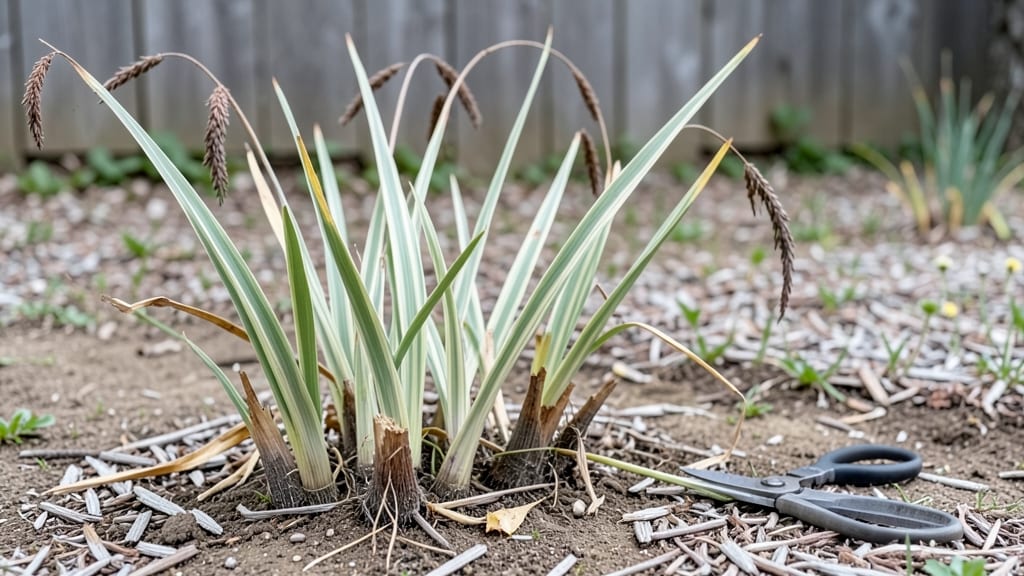
Trimming zebra grass transforms your yard from ordinary to striking—those bold stripes and airy plumes need precise cuts to stay showstopping all year. 🌿 I’ve learned the hard way that skipping this step means losing the grass’s signature drama, with straggly growth stealing the spotlight.
The secret isn’t just when to cut, but how: sharp blades, the right height, and timing that keeps your grass healthy and looking intentional.
You’ll need a sharp pair of pruners or a hedge trimmer (never dull tools—those tear stems), a sturdy stick for tall varieties, and a clear day to avoid leaving wet grass prone to disease.
Most people overlook the 3-inch rule: never cut below the lowest growth node, or you’ll stunt regrowth. I’ve seen zebra grass bounce back in just 2-3 weeks after proper trimming, with fresh growth that’s denser and more vibrant than ever.
The payoff is immediate: clean lines that frame your garden, fewer pests hiding in overgrown clumps, and a plant that keeps its architectural form well into winter.
After trimming, step back and admire the jewel-toned stems against your landscape—it’s the little details like this that turn a garden into a masterpiece. Here’s how to do it without a single mistake.
This works for Miscanthus sinensis, Carex testacea, and other ornamental grasses with bold stripes or plumes. Whether you’re shaping a border or letting it grow wild in a meadow, the same principles apply. Let’s get those blades sharp and those lines crisp!
📚 In This Guide
- What you need
- Instructions
- Tips and common mistakes
- Wrapping up and next steps
What you need
- ● Heavy-duty pruners or loppers – Choose bypass pruners (for clean cuts) or anvil pruners (for thicker stems). Recommended size: 6–8" blades for most jobs.
- ● Pruning shears – Long-handled (24–36") for taller clumps. Look for sharp, stainless-steel blades to avoid crushing stems.
- ● Hedge shears or grass trimmers – For bulk trimming, opt for electric or cordless models (20–24" cutting width) or a manual sickle bar mower for eco-friendly trimming.
- ● Work gloves – Cut-resistant (ANSI-rated) to protect hands from sharp edges and thorns.
- ● Safety goggles – Essential when trimming dense foliage to shield eyes from debris.
- ● Knee pads or a small stool – For comfort during long sessions (especially for low-growing varieties).
- ● Pruning saw – For stubborn, woody stems (if your grass has thickened over time).
- ● Disinfectant spray (70% isopropyl alcohol) – To clean tools between cuts and prevent disease spread.
- ● Garden twine or burlap – For tying back large clumps if you’re doing a dramatic shape-up.
- ● Compost bin or bags – To collect clippings for mulching or disposal.
- ● Best timing: Trim in late winter or early spring (before new growth) or after flowering (late summer/fall). Avoid trimming in frost or extreme heat.
- ● Weather check: Choose a dry, overcast day to prevent stressing the plant.
- ● Safety first: Wear closed-toe shoes and avoid trimming near power lines or in windy conditions.
How to trim zebra grass for a crisp, year-round look
Mastering this technique keeps your lawn's bold stripes sharp—no more faded, patchy patterns.
✂️ Step 1: Gather the Right Tools and Set the Mower Height
Start with a sharp mower blade—dull blades tear grass instead of cutting cleanly, which dulls those signature stripes. I always check blade sharpness by running my fingernail along the edge; if it catches, it's time to sharpen. Set your mower to a height of 2.5 to 3.5 inches for optimal growth and stripe visibility. Zebra grass thrives at this height, balancing density and stripe definition.
Here's the thing—zebra grass has a natural growth pattern where the stripes emerge when the grass is mowed at consistent intervals. If you let it grow too tall before trimming, the stripes become less pronounced. That's why I never let it exceed 4 inches before cutting again. The shorter you keep it within this range, the sharper the contrast.
🌿 Step 2: Mow in the Right Direction and Timing
Mow parallel to the stripes—never perpendicular. Cutting across the pattern disrupts the natural growth rhythm and weakens the stripe definition. I always move in one direction first, then turn the mower 90 degrees and go back over the lawn to ensure an even cut. This cross-mowing technique also prevents the grass from leaning in one direction, which can happen if you always mow the same way.
Timing matters just as much as technique. The best time to trim is early morning when the grass is dry but still slightly dew-covered. This reduces stress on the blades and ensures cleaner cuts. Avoid mowing when the grass is wet—it clumps and smothers the stripes. You'll know you've timed it right when the stripes appear crisp and the grass stands upright immediately after mowing.
☀️ Step 3: Maintain Consistency Between Cuts
Zebra grass stripes thrive on routine. I trim every 5 to 7 days during the growing season (spring through fall) to maintain that sharp contrast. Never remove more than one-third of the blade height in a single cut—this prevents shock and allows the grass to recover. If you're new to zebra grass, start with a 7-day interval to see how your lawn responds before tightening up the schedule.
Watch for uneven growth patterns—if one section looks duller, it might be getting more shade or less water. Adjust your mowing pattern to focus on those areas first. The goal is uniformity. You'll see the stripes pop when the grass is evenly trimmed and the contrast between the light and dark bands is sharp. If the stripes start fading, it's a sign you need to mow more frequently or adjust your mower height slightly lower.
⏰ Step 4: Seasonal Adjustments for Year-Round Sharpness
In late summer, reduce mowing frequency to every 10 to 14 days as growth slows. The grass naturally thickens, and the stripes become more defined without frequent cuts. Avoid mowing when the grass is dormant in winter—just leave it alone. Spring is the time to resume regular trimming, starting with a slightly higher setting (3 to 3.5 inches) to encourage new growth and stripe formation.
Real talk: Zebra grass can look patchy if you're inconsistent. If you miss a cut or two, don't panic—just get back on schedule. The grass will bounce back. The key is patience. It takes 4 to 6 weeks of consistent mowing for the stripes to fully re-emerge after a break. Keep the blade sharp, stick to the routine, and those bold stripes will make your lawn the envy of the neighborhood.
Tips & tricks for perfect zebra grass trimming
Here's what nobody tells you about keeping those bold stripes razor-sharp all year long.
The Blade Sharpness Test: I can't stress this enough—your mower blade should be sharp enough to slice a piece of paper without tearing. I test mine weekly by running my fingernail along the edge. If it catches, it's time to sharpen. A dull blade doesn't just create a poor cut; it actually stresses the grass, making those stripes disappear faster. I've seen lawns go from crisp stripes to dull patches in just two weeks when using a dull blade.
Directional Strategy for Maximum Impact: When you mow parallel to the stripes in Step 2, think of it like painting a canvas—you're reinforcing the existing pattern, not creating a new one. The 90-degree cross-mowing technique creates a clean, even cut that prevents the grass from leaning. I've found that marking your lawn with chalk lines before mowing helps maintain perfect alignment, especially on larger properties where it's easy to lose track of direction.
Seasonal Height Adjustments: The 2.5 to 3.5-inch height range in Step 1 is your baseline, but don't be afraid to make micro-adjustments. In early spring when new growth emerges, I bump it up to 3.5 inches to encourage strong root development. By late summer when growth slows, I drop it to 2.5 inches to maintain definition. This seasonal flexibility prevents shock and keeps the stripes popping even when growth patterns change.
Recovery Protocol for Missed Cuts: If you miss a cut during the 5-7 day window in Step 3, don't panic—but don't wait too long either. I've found that trimming when the grass reaches 4 inches (the absolute maximum) still allows for recovery, but anything beyond that risks weakening the stripe pattern. After a missed cut, I always raise the mower slightly (to 3.5 inches) for the next two cuts to give the grass time to bounce back before returning to the optimal height.
Pro Tips for Trimming Zebra Grass
- Here's what nobody tells you about keeping those bold stripes razor-sharp all year long.
- The Blade Sharpness Test: I can't stress this enough—your mower blade should be sharp enough to slice a piece of paper without tearing.
- Directional Strategy for Maximum Impact: When you mow parallel to the stripes in Step 2, think of it like painting a canvas—you're reinforcing the existing pattern, not creating a new one.
Frequently asked questions
When is the best time to trim zebra grass?
Trim zebra grass after it finishes flowering (late summer to early fall) to encourage fresh growth. Avoid cutting in winter—this grass is dormant and needs protection. For a neater look year-round, light trims (1-2 inches) in spring are fine, but never cut more than one-third of the height at once.
How short can I trim zebra grass without harming it?
Zebra grass thrives with 3-4 inches of height—any shorter risks stressing the plant. If you love a low, clipped look, stick to topping (a clean cut just above the base) in early spring, then let it grow back naturally. Over-trimming weakens the grass and dulls those signature stripes.
What’s the difference between trimming and mowing zebra grass?
Mowing (with a lawnmower) is not ideal—it shreds the blades and ruins the grass’s texture. Instead, use sharp pruners or hedge shears for clean cuts. For larger patches, a string trimmer (on low speed) works, but avoid mulching—it smothers the grass. Think "precision," not "power mow."
Why does my zebra grass turn brown after trimming?
Brown tips often mean stress from over-trimming, drought, or cold. If it’s post-cutting, wait a few weeks—new growth should emerge. For prevention:
- Water deeply before trimming (soil should be moist).
- Avoid trimming in extreme heat or frost.
- Fertilize lightly in spring to boost resilience.
Can I replace zebra grass with something easier to maintain?
If zebra grass feels high-maintenance, consider alternatives like:
- Miscanthus sinensis (hardy, upright, low-maintenance).
- Pennisetum (fountain grass, drought-tolerant).
- Carex (sedges) (soft texture, thrives in shade).
Wrapping up and next steps
Trimming zebra grass isn’t just about keeping your lawn tidy—it’s about preserving its striking stripes, health, and sharp edges year-round! 🌿 With the right tools, timing, and techniques, you’ll transform your yard into a vibrant, low-maintenance masterpiece.
Remember, consistency is key, and a little effort now saves headaches (and overgrowth) later.
Ready to take the next step? Grab your trimmer, set a reminder for seasonal checks, and enjoy the satisfaction of a flawlessly manicured lawn—your neighbors will thank you! 👀