
Plants
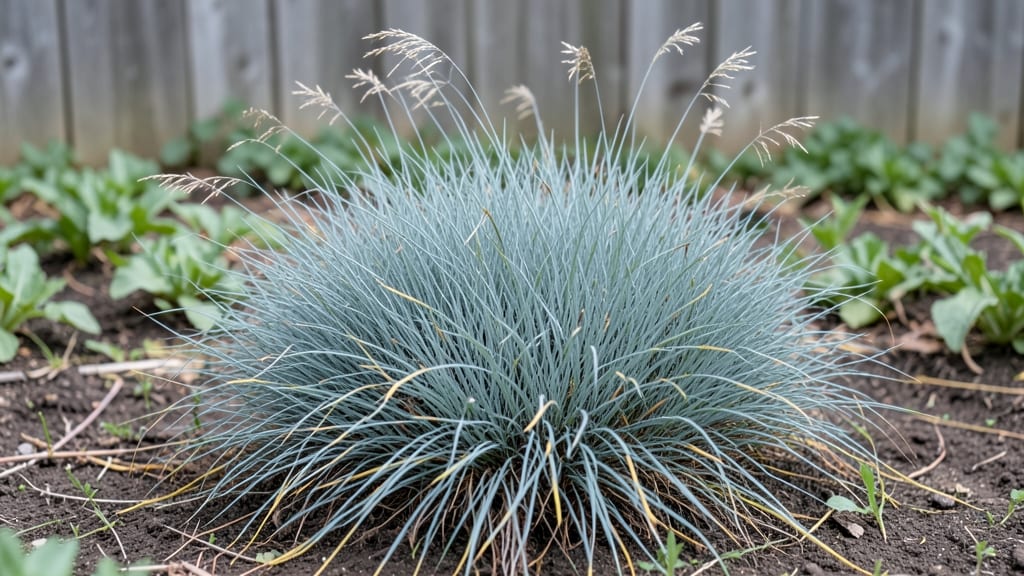
Blue fescue ornamental grasses bring a silvery-blue elegance to gardens that never fades — even when other plants go dormant.
If you're tired of seasonal color swings and want year-round texture with almost no effort, this cold-hardy grass is your secret weapon. It thrives in USDA Zone 6a and beyond, turning dull winter borders into striking focal points.
This versatile plant works in modern minimalist gardens, cottage-style cottage gardens, or drought-resistant landscapes. Pair it with purple coneflowers for a stunning contrast or let it stand alone as a low-maintenance statement.
Below, I’ll show you how to use blue fescue in borders, containers, and even as a modern garden’s unexpected centerpiece — plus the easiest care tips to keep it looking its best.
Why blue fescue grasses are the ultimate low-maintenance year-round plant
If you're dreaming of a garden that requires minimal effort but delivers maximum visual impact, blue fescue ornamental grasses should be at the top of your list. These silvery-blue tufted grasses offer year-round interest, thriving in conditions where many perennials falter.
Their cold-hardiness (USDA zones 3-9) and drought tolerance make them ideal for modern, eco-conscious landscapes.
Their arching, feathery plumes create a soft, airy texture that contrasts beautifully with bold foliage plants. Even in winter, when most gardens look dormant, blue fescue maintains its silvery-blue hue, adding a touch of elegance to snowy landscapes.
Plus, deer and rabbits typically avoid them, making them a low-maintenance, pest-resistant choice for any garden.
What truly sets blue fescue apart is its versatility in design. Whether you're creating a contemporary minimalist garden, a drought-tolerant landscape, or a rock garden, these grasses adapt effortlessly.
Their compact size (1-1.5 feet tall) makes them perfect for borders, containers, or even as a focal point in mixed plantings.
Unlike high-maintenance perennials that demand constant pruning and division, blue fescue grows slowly but steadily, requiring minimal intervention. Once established, they need little water and thrive in poor, well-draining soils, making them ideal for urban gardens, rooftop containers, or even dry, rocky slopes.
Here’s why gardeners across the U.S. are falling in love with blue fescue:
One of the biggest advantages of blue fescue is its adaptability to different light conditions. While they prefer full sun (6+ hours daily) for the most vibrant color, they also tolerate partial shade, making them versatile for shady garden corners or woodland edges.
In full sun, their blue-gray foliage intensifies, creating a stunning contrast against deep purple perennials like coneflowers or black-eyed Susans.
For those in drought-prone regions, blue fescue is a game-changer. Once established, these grasses require very little water, making them a water-wise choice for sustainable landscapes. Pair them with lavender, sedum, or yarrow to create a low-water, high-impact garden that thrives even during dry spells.
Beyond their practical benefits, blue fescue adds a soft, ethereal quality to gardens. Their delicate, wispy plumes dance in the breeze, creating movement and texture that hardy perennials simply can’t match.
Whether planted in mass plantings for a sea-like effect or solitary clumps as a focal point, they elevate any garden design with effortless elegance.
If you're tired of plants that demand constant attention, blue fescue is the answer. With zero fuss and maximum beauty, it’s no wonder these grasses are becoming a staple in modern and cottage-style gardens alike. Ready to transform your space with year-round color and minimal effort?
🌿
How to plant and care for blue fescue grasses for maximum impact
Blue fescue grasses (Festuca glauca) are my go-to for adding silvery-blue texture to gardens with minimal fuss. Their arching, needle-like blades create movement and contrast beautifully against darker foliage or blooms. The best part?
They thrive in USDA zones 3-9, making them perfect for nearly any climate. Whether you're filling a rocky bed or adding height to a container, these grasses deliver year-round interest with almost no upkeep.
Before planting, I always check the soil drainage—blue fescue hates soggy roots. Amending heavy clay with sand or gravel can make all the difference. For containers, ensure pots have drainage holes and use a fast-draining mix like cactus soil.
The right conditions set the stage for their vibrant blue foliage to truly shine.
⚠️ Avoid Overwatering: The #1 Killer of Blue Fescue
These grasses are drought-tolerant once established, but root rot from poor drainage is their biggest threat. Never let them sit in wet soil—even in winter. If your garden has clay-heavy soil, raise beds or plant on mounds to prevent water pooling. Yellowing tips mean overwatering or compacted roots—adjust care immediately!
For optimal growth, plant blue fescue in full sun to partial shade (at least 4 hours of sunlight daily). In hot climates, afternoon shade prevents leaf scorch. Space plants 12-18 inches apart—this gives them room to arch naturally without crowding.
If using as a border, stagger plants in odd-numbered groupings (3, 5, or 7) for a more natural look. Pro tip: Pair with purple coneflowers or black-eyed Susans for a stunning color contrast.
Watering is simple: deep but infrequent. After planting, keep soil evenly moist for the first 2-3 weeks to encourage root establishment. Once established, water only when soil is bone-dry—usually every 7-10 days in summer.
In winter, reduce watering to once a month unless your region is exceptionally dry. Mulch lightly with gravel or bark to retain moisture and deter weeds, but avoid piling mulch against the crown to prevent rot.
Pruning is minimal—one task per year is all it takes! In early spring, snip off any dead or brown foliage at the base with clean, sharp shears. Avoid cutting back healthy growth, as blue fescue’s arching habit is part of its charm.
If your grasses look overgrown by late summer, you can lightly trim the oldest stems to encourage fresh growth. Never cut more than one-third of the plant at once.
To keep blue fescue looking its best, feed it lightly in early spring with a balanced fertilizer (10-10-10). Use half the recommended dose—too much fertilizer leads to lush but weak growth that flops over. In containers, fertilize every 4-6 weeks during the growing season.
If you notice pale or yellowing leaves, it’s a sign of over-fertilization or nutrient burn. Flush the soil with water and reduce future feedings.
With the right care, your blue fescue will reward you with vibrant color and texture for years. Whether planted in rock gardens, containers, or as a focal point, these grasses bring effortless elegance to any space.
Once established, they’re nearly self-sufficient, freeing you to enjoy their beauty without constant maintenance. 🌿