
Lawn
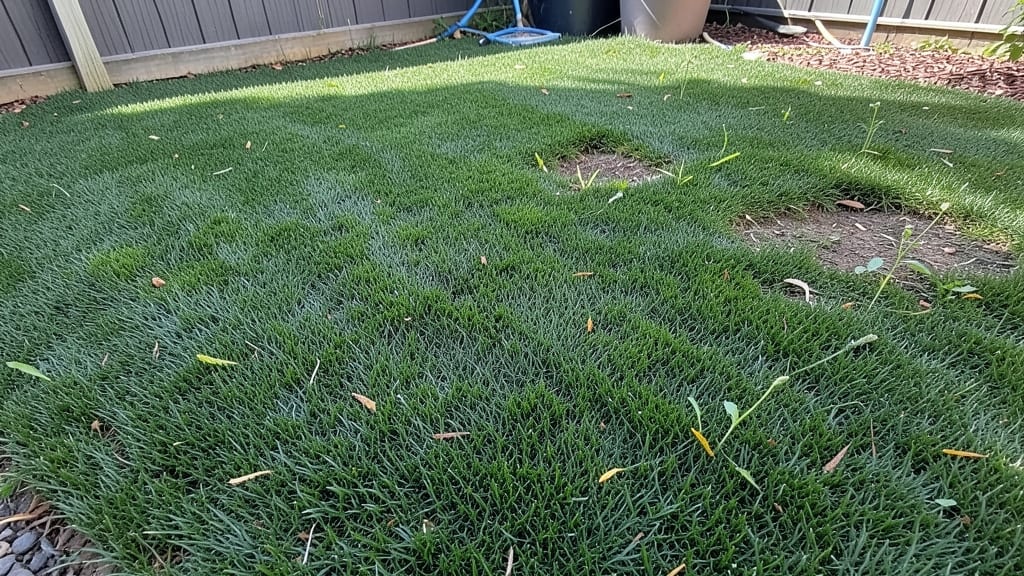
Growing Trinity Zoysia grass 🌱 is your fastest route to a thick, heat-beating lawn—this variety shoots up in just 14-21 days, outpacing most competitors by weeks.
If you're tired of patchy lawns that struggle under summer heat or slow-growing grass varieties that take forever to establish, Trinity Zoysia grass could be your game-changer—a fast-germinating powerhouse designed for dense, resilient turf.
Unlike other grasses that wilt in USDA Zones 6-10, this one thrives in full sun, stays green through droughts, and recovers from foot traffic like it’s nothing. That’s why pros and homeowners alike are switching to it for their summer lawns.
In this guide, I’ll walk you through everything from soil prep to watering schedules, so you can get your Trinity Zoysia lawn established fast and keep it looking lush all season long.
Why Trinity Zoysia grass stands out among fast-germinating Zoysia varieties
If you're comparing Zoysia grass varieties, Trinity Zoysia stands out with its rapid germination and heat resistance. Unlike slower varieties like Meyer Zoysia, Trinity sprouts in just 14-21 days—nearly half the time of traditional options.
This speed is critical for homeowners who want a dense lawn quickly, especially in USDA Zones 6-10 where summer heat can stress other grasses.
What truly sets Trinity apart is its recovery rate after foot traffic or drought. While Emerald Zoysia may thin out under stress, Trinity maintains its thick, green canopy even in 100°F+ temperatures.
This makes it ideal for sports fields, pet-friendly yards, or high-traffic areas where other varieties fail to bounce back.
Below, we compare Trinity’s performance to other popular Zoysia varieties—so you can see why it’s the top choice for fast establishment and long-term resilience.
🌱
Trinity’s 14-21 day germination window is unmatched in the Zoysia family. For comparison, Meyer Zoysia takes 30-45 days to sprout, and even Emerald Zoysia lags behind at 21-30 days.
This speed advantage means you’ll see visible grass in just 2 weeks, reducing bare soil exposure to weeds and erosion.
Another key difference is Trinity’s density under stress. While Zenith Zoysia recovers slowly after drought or foot traffic, Trinity rebounds in 7-10 days. This resilience is thanks to its deep root system, which accesses moisture 6+ inches below soil—far deeper than other varieties.
For homeowners in hot climates, Trinity’s ability to stay green and thick in 100°F+ heat is a game-changer. Unlike Meyer Zoysia, which struggles above 95°F, Trinity maintains its rich color and density even when other grasses brown out.
If you’re planting in late spring or early summer, Trinity’s fast germination ensures your lawn establishes before summer heat peaks. This is especially critical in USDA Zone 9-10, where other grasses often fail to thrive.
🌿
For sports fields or pet areas, Trinity’s quick recovery from foot traffic is unparalleled. While Emerald Zoysia may show wear marks after heavy use, Trinity bounces back within days, making it the #1 choice for active families.
Finally, Trinity’s low maintenance once established sets it apart. Unlike Zenith Zoysia, which requires frequent watering to maintain density, Trinity stays lush with minimal care—perfect for busy homeowners who want a beautiful lawn without constant upkeep.
☀️
Planting and care tips for maximum germination speed and lawn density
Trinity Zoysia grass thrives when planted and cared for with precision. Unlike slower-growing varieties, this fast-germinating grass can establish in just 14-21 days with the right conditions. The key lies in soil preparation, optimal seeding depth, and a consistent watering schedule that mimics natural rainfall patterns.
For best results, focus on three critical phases: planting, early growth, and establishment. Each phase requires specific adjustments to fertilizer timing, mowing height, and watering frequency to ensure your lawn reaches its full heat-resistant density quickly.
Step-by-Step Planting & Care Guide for Trinity Zoysia Grass
- Soil Prep: Test soil pH (ideal: 6.0-7.0). Amend with compost or sand if drainage is poor. Till to a depth of 4-6 inches.
- Seeding Depth: Plant seeds 1/4 inch deep, spacing 12-18 inches apart. Use a seed spreader for even coverage.
- Initial Watering: Water lightly twice daily (morning/evening) to keep soil moist. Avoid overwatering, which causes seed rot.
- Germination Phase: Expect sprouts in 14-21 days. Reduce watering to once daily once seedlings emerge.
- Fertilizer Timing: Apply slow-release 16-4-8 fertilizer 4 weeks after planting. Use 0.5 lbs per 100 sqft in early morning.
- Mowing Height: Wait until grass reaches 3-4 inches tall. Mow at 1-1.5 inches for density and heat resistance.
- Maintenance Routine: Water deeply 2-3x weekly during establishment. Reduce to weekly once fully grown.
One common misstep is skipping soil testing—Trinity Zoysia performs best in slightly acidic to neutral soil. If your soil is too alkaline, add sulfur or peat moss to adjust the pH before planting.
This grass also benefits from a light mulch layer (straw or pine needles) to retain moisture and suppress weeds during germination.
For heat resistance, maintain a consistent mowing schedule every 7-10 days once established. Never remove more than 1/3 of the blade height at once, as this stresses the grass. In summer months, increase watering to every 5-7 days to combat drought stress.
By following these steps, your Trinity Zoysia lawn will establish 2-3x faster than traditional grass varieties, delivering a dense, lush carpet that thrives in USDA Zones 6-10. The secret? Patience during germination and precision in care—your lawn will reward you with resilience and beauty.