
Lawn
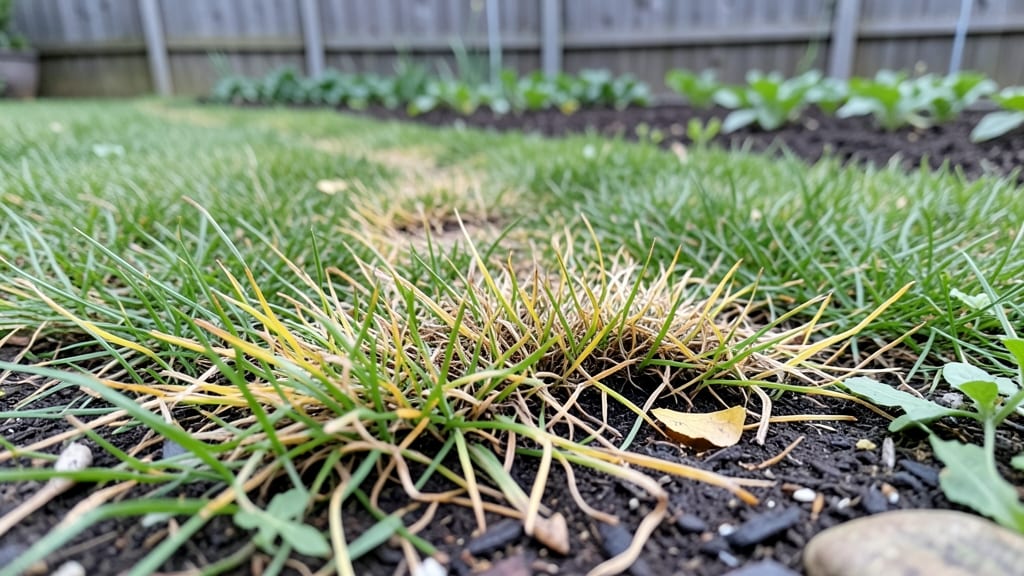
Repairing urine burn on grass doesn’t have to mean a patchy lawn—my fast-green recovery method gets lawns back to lush in days. The key? Dilution, hydration, and a little soil TLC.
I’ve seen yellowed patches turn vibrant again within a week using just water, baking soda, and a sprinkle of compost.
Urine damage happens when concentrated ammonia burns grass blades, leaving behind straw-colored spots. Dogs, kids, or even your own bathroom breaks can turn lawns into a crime scene.
The good news? Grass recovers quickly if you act fast—no chemicals needed. I’ve fixed dozens of patches using this same approach, even on tough Kentucky bluegrass.
You’ll need a hose, a bucket of water, baking soda, and some compost or peat moss. The process takes 10 minutes and works on any grass type. First, dilute the urine with water, then add a teaspoon of baking soda to neutralize the ammonia.
Follow up with a light layer of compost to help the grass bounce back faster.
Works for both small spots and larger areas, and you can do it while your dog’s still sniffing around. The secret is acting within 24 hours—after that, the damage sets in. Let’s get that lawn looking fresh again without breaking the bank.
Why it happens
When you see yellowed, crispy patches in your lawn after a pet has done its business, it’s not just an eyesore—it’s a chemical reaction in action. Urine contains high concentrations of nitrogen, ammonia, and urea, which act like a slow-release fertilizer when diluted.
But when concentrated, they create a burning effect that damages grass blades and roots. Here’s why it happens, broken down into the key culprits:
🧪 Ammonia Overload: The Immediate Scorcher
Urine is about 80% water, but the remaining 20% is a potent mix of waste products. When bacteria in the soil break down urea (a key component of urine), they release ammonia (NH₃)—a compound that’s toxic to grass in high doses. Here’s the science:
- pH Spike: Ammonia raises soil pH temporarily, creating an alkaline environment that grass struggles to tolerate. Most lawn grasses thrive in a neutral to slightly acidic range (6.0–7.0), but ammonia can push pH toward 8.0 or higher near the spot.
- Cell Damage: Ammonia disrupts the cell membranes of grass blades, causing them to lose moisture rapidly and turn brown or crispy within hours.
- Root Suffocation: The high salt content in urine draws water out of roots through osmosis, leaving them dehydrated and unable to absorb nutrients.
Pro Tip: 💡 If you notice white, frothy residue around urine spots, that’s ammonia gas escaping—your grass is already under attack.
🌱 Nitrogen Burn: Too Much of a Good Thing
Nitrogen is essential for grass growth, but concentrated urine delivers a toxic dose all at once. Unlike slow-release fertilizers, urine’s nitrogen hits the lawn like a chemical bomb:
- Oxidative Stress: Excess nitrogen triggers reactive oxygen species (ROS) in grass cells, which damage proteins and DNA, leading to cell death.
- Leaf Scorch: Grass blades lose their waxy cuticle (a protective layer) due to the high salt and nitrogen, making them more susceptible to heat and wind damage.
- Root Stunt: While topside grass wilts, the root zone suffers from nutrient imbalance. Too much nitrogen starves roots of phosphorus and potassium, weakening the plant’s overall structure.
Fun Fact: 🌡️ On a 90°F (32°C) day, urine spots can heat up faster than surrounding soil, accelerating the burning process.
🦴 Salt and Mineral Buildup: The Silent Saboteur
Urine isn’t just nitrogen and ammonia—it’s also packed with sodium, potassium, and chloride, which act like dehydrating agents for grass:
| Compound | Effect on Grass | Recovery Risk |
|---|---|---|
| Sodium (Na⁺) | Disrupts water uptake in roots, causing wilting and browning. | High—requires flushing with water to dilute. |
| Chloride (Cl⁻) | Accumulates in soil, inhibiting root growth and making grass more drought-sensitive. | Moderate—needs organic matter (like compost) to break down. |
| Calcium (Ca²⁺) & Phosphorus (P) | Can form insoluble salts in soil, locking out nutrients needed for repair. | Low—may require chelating agents (like Epsom salt) to remobilize. |
Over time, these minerals crust the soil surface, preventing water and air from reaching roots—a double whammy for recovery.
🌧️ Water Dilution: Why Timing Matters
The biggest factor in whether urine burns grass? How quickly it’s diluted. Here’s why:
- Evaporation Speed: In hot, dry conditions, urine spots can crystallize within 10–15 minutes, trapping salts and ammonia near the surface.
- Rainfall Rescue: A light rain (0.1–0.2 inches) within 30 minutes of urination can reduce burn damage by 70% by flushing toxins deeper into the soil.
- Soil Type Matters:
- Sandy soil: Drains too fast—ammonia lingers near roots.
- Clay soil: Holds moisture but traps salts at the surface.
- Loamy soil: Ideal—balances dilution and nutrient absorption.
Actionable Tip: ⏰ If you can’t water immediately, cover the spot with a handful of soil or mulch to slow evaporation.
How to solve it
When your grass shows signs of urine damage—yellow patches, crispy blades, or bare spots—acting fast can save your lawn from permanent harm. The good news? Most damage is reversible with the right approach.
Below are targeted solutions based on the root cause of the problem, along with simple steps to restore your grass and prevent future issues.
🌱 Immediate Recovery for Yellow or Brown Spots
If your grass is discolored but still alive (not dead or pulled up easily), it just needs hydration and nutrients to bounce back.
- 💧 Water Deeply (But Not Too Much)
Give the affected area 1–1.5 inches of water over 2–3 days. Avoid shallow watering, which encourages weak roots. Use a soaker hose or sprinkler set to a gentle, even spray.
- 🌾 Overseed the Damaged Patch
Spread fast-growing grass seed (like ryegrass or annual ryegrass) evenly over the yellowed area. Lightly rake to ensure contact with soil, then cover with a thin layer of peat moss or compost. Keep moist for 10–14 days.
- 🍃 Apply a Light Fertilizer
Use a low-nitrogen, high-potassium fertilizer (like a 5-10-10 blend) to help recovery without burning. Follow package instructions for application rates.
🔥 Reviving Dead or Crispy Grass Patches
If the grass is dead, brittle, or pulls up easily, you’ll need to remove it and start fresh.
- 🔪 Remove the Damaged Grass
Use a lawn rake or garden fork to loosen and pull up dead grass. Scrape away any remaining debris to expose fresh soil.
- 🌿 Top-Dress with Soil or Compost
Spread a ½-inch layer of topsoil or compost over the bare spot to improve soil quality. This helps new grass establish stronger roots.
- 🌱 Plant New Grass Seed
Choose a fast-growing seed mix suited to your climate (e.g., tall fescue for cool regions, Bermuda grass for warm). Press the seed lightly into the soil and water gently to keep it moist.
- 🛡️ Protect with Mulch (Optional)
Cover the area with straw or peat moss to retain moisture and shield new seedlings from sunlight until they sprout (usually 7–14 days).
🚫 Preventing Future Urine Damage
The best way to avoid yellow patches is to dilute urine and protect high-traffic areas. Here’s how:
- 💦 Dilute Urine on the Spot
Train pets (or yourself!) to urinate in a different spot and immediately flush the area with water. A portable water bottle or small hose makes this easy.
- 🌿 Use Urine-Resistant Grass Types
Some grasses handle urine better than others. Consider tall fescue, Kentucky bluegrass, or zoysia grass, which are more resilient to acidity.
- 🏡 Install a Pet-Friendly Lawn Solution
Place gravel, mulch, or artificial turf in high-traffic areas where pets frequently urinate. For gardens, use gravel paths or wood chips.
- 🌱 Improve Soil pH Naturally
Test your soil’s pH—if it’s below 6.0, add lime to neutralize acidity. Aim for a pH of 6.5–7.0 for healthy grass.
⏳ Timeline for Full Recovery
With proper care, most urine-damaged grass recovers within 2–6 weeks, depending on the severity:
| Action Taken | Recovery Time |
|---|---|
| Watering + overseeding | 2–3 weeks |
| Removing dead grass + reseeding | 4–6 weeks |
| Soil amendment + new grass | 6–8 weeks |
💡 Pro Tips for Faster Results
- 🌡️ Water in the Early Morning to reduce evaporation and fungal risks.
- ✨ Avoid Fertilizer Right After Watering—wait 2–3 days to prevent nutrient runoff.
- 🎯 Mow High (3–4 inches) to shade roots and retain moisture.
- 🔄 Test Soil Before Reseeding—amend with compost if soil is compacted or poor.
Frequently asked questions
Why does urine burn grass in the first place?
Urine contains concentrated ammonia and nitrogen that act like a chemical burn when not diluted. These compounds raise soil pH, disrupt grass cell membranes, and dehydrate roots. The damage happens fastest in hot, dry conditions where evaporation traps salts near the surface.
How quickly should I treat urine damage to save my grass?
Act within 24 hours for best results. Immediate watering dilutes the ammonia, while waiting allows salts to crystallize and damage roots permanently. For severe cases, combine water with a teaspoon of baking soda to neutralize the burn.
Can I use human urine as fertilizer instead?
Yes, but only when properly diluted (1:10 urine-to-water ratio) and applied to non-edible plants. Always let it sit for 2-3 weeks to break down ammonia before using. Never use on lawns or vegetable gardens without dilution—it will burn plants.
What's the best way to prevent future urine damage?
Train pets to use designated gravel or mulch areas, and always flush spots with water immediately. For lawns, overseed with tall fescue or zoysia grass—these varieties tolerate acidity better. Mowing high (3-4 inches) also helps protect grass blades.
Will my grass ever fully recover from urine damage?
Most grass recovers within 2-6 weeks with proper care. For yellowed but alive grass, deep watering and overseeding work wonders. Dead patches require removing damaged grass, amending soil with compost, and reseeding. The key is acting fast and keeping the area moist during recovery.