
Lawn
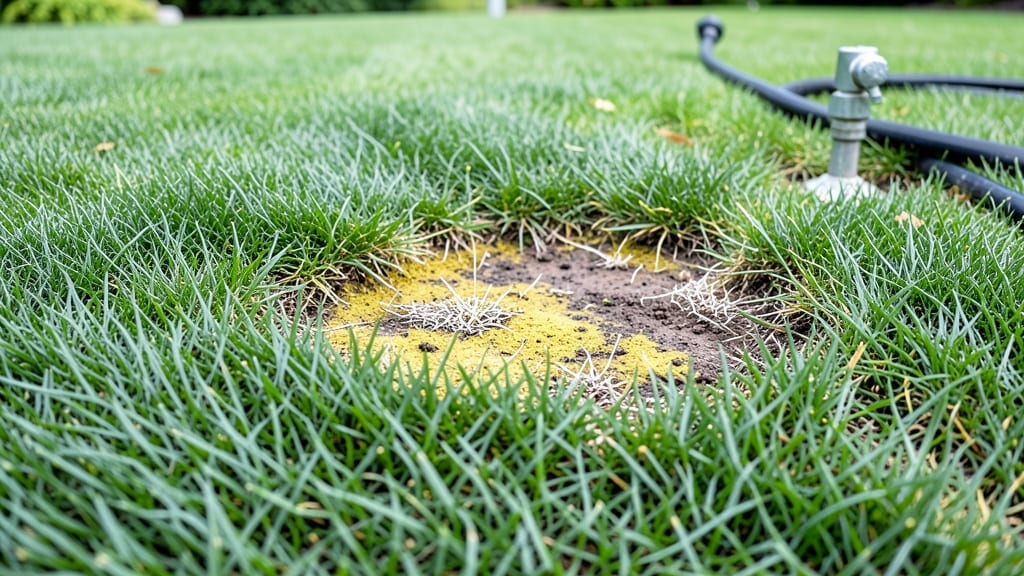
Urine stains on lawns turn vibrant green grass into ugly yellow patches that refuse to fade—until you try this fast vinegar trick. 🌱 I’ve battled these stubborn spots for years, and the secret isn’t just water or over-seeding—it’s a simple, natural rinse that works in under 24 hours.
The key? Diluting white vinegar with water to break down the uric acid without burning your grass. Most people assume urine stains are permanent, but they’re actually just a buildup of nitrogen and uric acid. Overwatering or ignoring them only makes them worse.
A quick vinegar spray (1 part vinegar to 3 parts water) lifts the stain while feeding your lawn—no harsh chemicals needed. The best part? It’s pet-safe and costs pennies. By the next mowing, those yellow circles will blend right in.
The grass stays lush, and you’ll finally stop dreading the dog’s daily potty breaks. For stubborn spots, repeat once a week until the lawn looks uniform again. This method works for both dogs and kids, and it’s the first step toward a stain-free yard.
Once you try it, you’ll wonder why you didn’t do it sooner!
The Hidden Culprits Behind Lawn Discoloration
Urine stains on your lawn aren’t just an eyesore—they’re a chemical reaction waiting to happen. Understanding the science behind why these marks appear helps you tackle them faster and prevent future damage. Let’s break down the key factors that turn your green grass into a patchwork of yellow or brown.
Urine isn’t just water—it’s a complex mix of urea, uric acid, ammonia, and salts, all of which play a role in lawn damage. Here’s how they break it down:
- Urea (the main nitrogen compound) breaks down into ammonia when exposed to bacteria in the soil.
While ammonia is a natural fertilizer in small doses, high concentrations can burn grass blades by altering the soil’s pH balance (making it too alkaline). - Uric acid and salts (like sodium and potassium) accumulate in the soil, creating osmotic stress—a condition where grass roots struggle to absorb water, leading to dehydration and browning. - Enzymes in urine (like urease) accelerate the breakdown of urea, releasing ammonia even faster.
This is why fresh urine causes more immediate damage than dried urine.
Pro Tip: 💡 Pet urine is more concentrated than human urine due to higher urea levels, making it a bigger threat to lawns.
Grass thrives in a neutral to slightly acidic pH range (6.0–7.0). When urine introduces ammonia, it raises soil pH, creating an alkaline environment. Here’s why this matters:
- Alkaline soil (pH > 7.0) disrupts nutrient uptake, particularly iron and manganese, which are essential for chlorophyll production.
Without these, grass turns yellow or pale. - Over time, the soil’s buffering capacity weakens, and the damage becomes permanent if not corrected. - Clay soils hold more ammonia than sandy soils, worsening the problem in dense, compacted lawns.
Actionable Fix: 🌡️ Test your soil’s pH with a DIY kit (available at garden centers). If it’s above 7.0, amend with sulfur or peat moss to restore balance.
Not all urine stains are equal—how often and how much urine hits the lawn determines the damage level.
| Factor | Low Impact | High Impact |
|---|---|---|
| Frequency | Occasional (e.g., kids playing outside) | Daily (e.g., pets or frequent use) |
| Volume | Small amounts (diluted quickly) | Large pools (high urea concentration) |
| Drying Time | Evaporates before harming grass | Lingers (hot sun + low rainfall) |
- Fresh urine is more damaging because the ammonia hasn’t yet converted to nitrate, which grass can absorb.
Once it dries, the risk lessens—but the salts remain, causing long-term stress. - Hot, dry climates accelerate ammonia release, while cool, wet conditions slow it down, giving grass a chance to recover.
Pro Tip: ✨ Dilute the source: Encourage pets to drink more water to reduce urine concentration, or train them to urinate in a designated gravel area.
Not all grass is equally vulnerable. Cool-season grasses (like Kentucky bluegrass or fescue) are more sensitive to ammonia than warm-season grasses (like Bermuda or Zoysia). Here’s why:
- Thin or weak grass has fewer roots to absorb excess ammonia, making it more prone to crunchy, brown patches.
- Over-fertilized lawns are already stressed—adding urine’s nitrogen can lead to fertilizer burn, amplifying the problem.
- Newly seeded lawns are especially fragile because young grass blades lack the cuticle layer that protects mature grass.
Actionable Tip: 🎯 If your lawn is prone to stains, consider overseeding with a hardier grass variety or thickening the turf to outcompete weeds and absorb nutrients more efficiently.
Rainfall and irrigation play a surprising role in urine stain persistence:
- Heavy rain can wash away ammonia before it harms grass, but it also spreads salts deeper into the soil, causing underground damage.
- Underwatering leaves urine sitting longer, increasing ammonia exposure.
- Overwatering dilutes the problem temporarily but can leach away essential nutrients, weakening the grass further.
Pro Tip: 🔥 Water deeply but infrequently (1–1.5 inches per week) to encourage deep root growth, which helps grass recover faster from urine damage.
If your lawn suffers from pet urine, there are extra culprits at play:
- Male dogs tend to lift their legs, producing longer, more concentrated urine streams that hit the lawn harder.
- Cats have higher uric acid levels, which can crystallize in the soil, leaving stubborn white deposits.
- Unneutered pets produce more frequent, concentrated urine due to hormonal differences.
Actionable Fix: 🚿 Train pets to use a designated area (like a patch of gravel or mulch) and rinse the spot with water immediately after they go. For cats, litter boxes with sand can help contain the problem.
Fixing Yellowed Grass Fast
Urine stains on your lawn don’t have to be a permanent eyesore—with the right approach, you can restore your grass to its lush green glory in no time.
Below are targeted solutions based on the most common causes of urine damage, along with preventive tips to keep your lawn looking pristine.
If the stain is faint and the grass is only slightly discolored, the urine likely didn’t concentrate enough to cause severe damage. Here’s how to fix it:
- 💦 Rinse Immediately – Use a garden hose to flush the area with water for 10–15 seconds.
This dilutes any remaining ammonia and prevents deeper absorption. - 🌱 Mow Higher – Set your mower to 3–4 inches to shade the roots and reduce stress on recovering grass. - 🌿 Apply a Light Fertilizer – Use a low-nitrogen, slow-release fertilizer (like a 10-10-10 blend) to encourage regrowth without overstimulating the lawn.
✨ Pro Tip: If the stain is new, avoid walking on it for 24–48 hours to let the grass recover naturally.
When urine sits too long, it burns grass, leaving behind dead spots that need urgent care:
- 🍋 Vinegar Rinse (Best for Fast Results) – Mix 1 part white vinegar with 3 parts water in a spray bottle. Apply directly to the stain, let sit for 5–10 minutes, then rinse with water.
The acidity neutralizes ammonia while promoting regrowth. - 🌱 Overseed the Area – After rinsing, rake the dead patch lightly and sprinkle new grass seed mixed with topsoil.
Keep the area moist (not soggy) for 2–3 weeks. - 💡 Spot-Treat with Lawn Repair Gel – Products like Jonathan Green’s Lawn & Garden Rescue can revive dead grass in stubborn patches.
💡 Pro Tip: If the stain is large, consider sod patches for instant coverage while the seeded area fills in.
Pet urine is high in nitrogen, which can kill grass over time if not managed properly:
- 🚰 Dilute with Water – After your pet goes, rinse the spot with water immediately to dilute the ammonia.
- 🌿 Use a Pet-Safe Lawn Fertilizer – Switch to a low-nitrogen, organic fertilizer (like milk or compost tea) to strengthen grass against urine damage.
- 🛡️ Install Artificial Turf or Gravel – If the problem persists, designate a pet relief area with pebbles or artificial grass to protect your lawn.
🔥 Pro Tip: Train your pet to use a specific spot—consistency helps minimize long-term damage.
If the stain appears washed-out or mushy, excess moisture may be drowning the grass rather than just causing urine damage:
- 💧 Improve Drainage – Aerate the lawn (rent a core aerator) to prevent water pooling.
- 🌱 Reduce Watering – Water deeply 2–3 times per week (early morning) instead of daily light sprinkles.
- 🍃 Apply Sand or Compost – Mix coarse sand or compost into the affected area to loosen compacted soil and improve root health.
🌡️ Pro Tip: If the grass feels squishy when walked on, it’s overwatered—let it dry out before treating stains.
Once you’ve treated the stains, prevent future damage with these easy habits:
- 🚽 Dilute Before Flushing – If possible, urinate in a bucket first, then pour the diluted mixture onto the lawn.
- 🌱 Choose Urine-Resistant Grass – Kentucky Bluegrass and Fescue recover better than Bermuda grass from urine damage.
- 💦 Water After Use – Always rinse the area with water within 30 minutes of urinating.
- 🏡 Use a Pet Urine Neutralizer – Products like Nature’s Miracle can break down ammonia before it harms grass.
- 🌿 Mow Regularly – Keeping grass 3–4 inches tall helps it resist damage better than short-cut grass.
Final Thought: Most urine stains fade within days with proper care—don’t panic if you see yellowing! By following these steps, your lawn can bounce back greener than ever. 🌿✨
Frequently asked questions
Why does pet urine cause worse lawn damage than human urine?
Pet urine contains higher concentrations of urea and ammonia due to their diet and metabolism. Dogs, especially males, produce longer, more concentrated streams that sit directly on grass, while human urine is typically more diluted. The extra nitrogen and uric acid create deeper chemical burns that take longer to recover from.
Can I use baking soda instead of vinegar to treat urine stains?
Yes! Mix 1 tablespoon of baking soda with 1 gallon of water and apply it to the stain. The alkaline properties help neutralize ammonia, but unlike vinegar, it won’t acidify the soil. For best results, follow up with a light water rinse. This method is especially safe for pets and kids once dry.
How long does it take for urine stains to disappear naturally?
With proper care, faint stains may fade in 1–2 weeks if you water the area immediately after urination. Stubborn patches can take 3–4 weeks to recover fully, especially in hot or dry climates. Overwatering or ignoring the stain can extend recovery time significantly. The key is consistent moisture without saturation.
Will overseeding fix dead grass patches from urine?
After treating the stain with vinegar or baking soda, rake the dead area lightly and sprinkle new grass seed mixed with topsoil. Keep it moist (not soggy) for 2–3 weeks until new growth appears. For faster results, use sod patches in high-traffic or large damaged areas.
Can I prevent urine stains by adjusting my pet’s diet?
Indirectly, yes! Feeding your pet a high-quality, balanced diet with adequate water can dilute urine slightly. However, the real fix is training them to use a designated gravel or mulch area and rinsing those spots immediately. Some pet foods also contain probiotics that may help break down ammonia, but diet alone won’t eliminate stains.