
Lawn
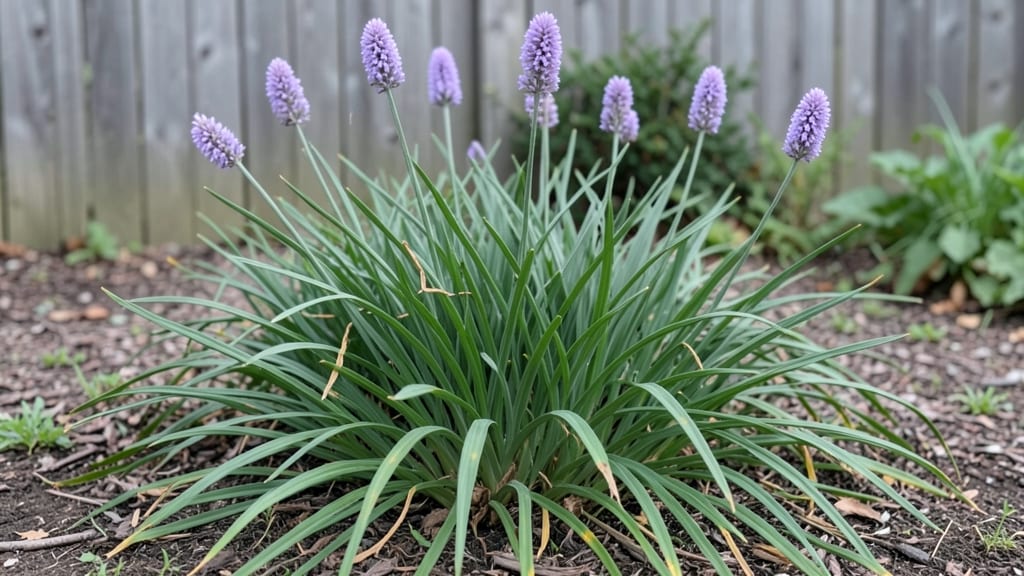
Fast-spreading vine-like grasses turn shady corners into lush, low-maintenance borders in just a season. 🌿 I’ve watched creeping sedge and fountain grass transform bare patches into velvety green carpets—no mowing, no fuss, just relentless growth that outpaces weeds.
The key? Sunlight, well-draining soil, and a little patience while they establish roots.
These grasses thrive in full sun but tolerate partial shade, making them perfect for hot, dry spots where other plants wilt. Plant in spring or fall, spacing clumps 12–18 inches apart for that "effortless spread" look.
Varieties like fountain grass add height and movement, while creeping sedge stays tight for polished edges.
By midsummer, you’ll have a dense, drought-resistant ground cover that blooms with feathery plumes. Prune back in early spring to keep it tidy, and watch how neighbors ask, "What’s that magical grass?"—without you having to explain a thing.
Works in borders, slopes, or even as a living mulch. Once established, they’re nearly indestructible—ideal for busy gardeners who want beauty without the upkeep. Let’s get growing!
Root Causes Of Uncontrolled Spread
If your yard is suddenly overrun by vine-like grass—thick, sprawling, and seemingly unstoppable—you’re not alone. This aggressive growth isn’t just a cosmetic issue; it’s a survival strategy. Understanding the why behind its rapid expansion helps you regain control. Here’s what’s driving it:
🌱 Rapid rhizome expansion
Many vine-like grasses (like Imperata cylindrica, or cogon grass, or Pennisetum varieties) spread aggressively through rhizomes—underground stems that act like roots. These rhizomes store energy and send out new shoots, creating dense mats that smother lawns and gardens.
- Why it happens: Rhizomes grow horizontally, seeking moisture and nutrients. In well-watered or fertile soil, they multiply faster, creating a tangled network.
- Actionable fix:
- Test your soil—high nitrogen or phosphorus can fuel rhizome growth. Adjust with a balanced fertilizer (look for a 10-10-10 ratio).
- Mow high (3–4 inches) to weaken rhizome energy reserves.
⚡ Ideal growing conditions
Vine-like grasses thrive in full sun, but they also adapt to partial shade if given enough water. Their secret? Drought tolerance and heat resistance—they outcompete slower-growing grasses when conditions favor them.
| Factor | Why It Helps the Grass Spread | How to Counter It |
|---|---|---|
| Sunlight | Full sun (6+ hours/day) boosts photosynthesis, fueling rapid growth. | Plant shade-tolerant ground covers (like Ajuga or Clover) to block sunlight. |
| Water | Drought-resistant varieties (e.g., Bermuda grass) spread faster in dry spells by sending out deep roots and runners. | Water deeply but infrequently (1–1.5 inches/week) to encourage deeper grass roots over shallow runners. |
| Soil Compaction | Compacted soil prevents water drainage, creating ideal moisture levels for rhizomes. | Aerate your lawn in spring or fall to break up compacted layers. |
🌿 Lack of competition
Vine-like grasses dominate because they outgrow slower competitors. If your lawn has thin patches, bare soil, or weak turfgrass, these invasive types fill the gaps quickly.
- Why it happens:
- Over-fertilizing with weed-and-feed products can kill desirable grass while leaving hardy runners intact.
- Poor seed selection—some "grass" mixes include fast-spreading fillers (like Crabgrass) that crowd out perennials.
- Actionable fix:
- Reseed with dense, slow-spreading grasses like Kentucky Bluegrass or Fine Fescue in early fall.
- Apply a pre-emergent herbicide in spring to block annual invaders before they take root.
🔄 Human activities accelerate spread
Even well-meaning gardening habits can spread vine-like grasses faster. Here’s how:
- Mowing too short weakens grass roots, giving runners an advantage.
- Using contaminated soil or tools (e.g., sharing clippers with infested yards).
- Over-tilling disrupts natural soil layers, encouraging rhizome growth.
Pro tip: 💡 Clean mower blades with a 10% bleach solution between cuts to prevent spreading fragments.
How to Manage Unwanted Spread
If that fast-spreading, vine-like grass has taken over your lawn or garden, don’t panic—there are practical ways to control it without resorting to harsh chemicals. Below are targeted solutions for common causes, from quick fixes to long-term prevention.
🌱 Overgrowth in Lawns: Mow & Mulch
If your lawn is becoming a jungle of creeping grass, regular maintenance is key. This aggressive spreader thrives when left unchecked, so:
- 🔪 Mow High and Often
- Set your mower to 3–4 inches to shade out weeds and weaken the grass’s ability to spread.
- Mow weekly during peak growing seasons (spring and summer) to prevent seed heads from forming.
- 🍳 Mulch Aggressively
- After mowing, leave clippings on the lawn (grasscycling) to decompose naturally and return nutrients to the soil.
- Pro Tip: If clippings pile up, thin them out with a rake to avoid thatch buildup.
- 🌡️ Adjust Watering
- Water deeply 1–2 times per week (early morning) instead of daily light sprinkles. Overwatering encourages rapid growth.
- Let the grass go dormant in extreme heat—it’ll bounce back when conditions improve.
🌿 Creeping into Garden Beds: Manual Removal
When vine-like grass invades flower beds or vegetable patches, physical removal is often the fastest fix:
- 👨🍳 Pull by Hand (Best for Small Patches)
- Wear gloves and grip the grass just below the soil line to remove as much of the root as possible.
- Pro Tip: Pull when the soil is moist (after rain or watering) for easier extraction.
- 🔪 Use a Weeding Tool
- A dandelion digger or hula hoe works great for larger areas. Skim the surface to sever roots without disturbing nearby plants.
- 🚫 Prevent Regrowth with Barriers
- Lay landscape fabric under mulch in garden beds to block new shoots.
- Edge beds with metal or plastic borders to contain spread.
🌱 Choking Out Desired Plants: Competitive Solutions
If vine-like grass is outcompeting your prized perennials or shrubs, you’ll need a more strategic approach:
- 🌿 Smother with Cardboard/Newspaper
- Cover the area with 2–3 layers of cardboard (ink-side down) or thick newspaper, then top with 4+ inches of mulch.
- This blocks sunlight and starves the grass in 4–6 weeks.
- 💡 Solarize the Soil (For Extreme Cases)
- In hot climates, lay clear plastic sheeting over the area for 4–6 weeks to bake the grass out.
- Warning: Only do this in direct sun—it can harm nearby plants.
- 🌱 Plant Competitive Ground Covers
- Replace bare soil with dense, fast-spreading ground covers like clover, creeping thyme, or pachysandra to outcompete the grass naturally.
🚨 Chemical Control: Last Resort
If manual methods fail, targeted herbicides can help—but use them sparingly and safely:
- 🔥 Selective Herbicides (For Lawns)
- Choose a grass-specific herbicide (e.g., containing quinclorac or mesotrione) to kill the vine-like grass without harming your lawn.
- Apply on a dry, wind-free day and water lightly afterward to activate the treatment.
- 🌿 Non-Selective Herbicides (For Beds)
- For garden areas, use glyphosate (like Roundup) only on the grass, avoiding desirable plants.
- Safety Tip: Spray in the evening to reduce drift and protect pollinators.
- 🌱 Post-Treatment Care
- After applying herbicide, reseal the soil with mulch or a new ground cover to prevent regrowth.
🛡️ Long-Term Prevention Tips
Stop the spread before it starts with these low-effort habits:
- 📊 Test Your Soil
- Vine-like grass often thrives in compacted or nutrient-poor soil. Test pH and amend with compost or lime if needed.
- 🌡️ Improve Drainage
- Poor drainage encourages dense growth. Add sand or organic matter to sandy or clay-heavy soil.
- 🌱 Choose Native Alternatives
- Replace invasive spreaders with native grasses (like buffalo grass or fescue) that stay in check naturally.
- 🔍 Monitor and Strike Early
- Check your yard weekly for new shoots. Small patches are easier to remove than established colonies!
With the right mix of manual effort, smart maintenance, and preventive care, you can keep vine-like grass from turning your lawn into a tangled mess. Start with one or two methods that fit your situation, and adjust as needed—your yard will thank you!
Frequently asked questions about vine-like ornamental grasses
What are some fast-spreading ornamental grasses that look like vines?
Try Fountain Grass (Pennisetum) or Creeping Sedge (Carex)—both have trailing habits that create a vine-like effect. Liriope (also called monkey grass) spreads aggressively with grassy blades and purple flower spikes, while World Grass (Mondo) forms dense mats perfect for borders.
Can I grow vine-like grasses in containers or hanging baskets?
Varieties like Creeping Foxtail Lily (Liriope muscari) or Dwarf Fountain Grass (Pennisetum alopecuroides 'Hameln') thrive in containers. Use well-draining soil and ensure pots have drainage holes. For hanging baskets, trailing types like Carex oshimensis 'Evergold' create stunning cascading effects.
How do I control vine-like grasses from spreading too aggressively?
For containment, trim back runners in early spring and install edging barriers like metal or plastic strips. For stubborn spreaders, smother with cardboard + mulch or use pre-emergent herbicide in high-risk areas. Choose slower-spreading varieties like Japanese Forest Grass (Hakonechloa) if you prefer low-maintenance options.
Are vine-like grasses drought-tolerant once established?
Most ornamental grasses, including vine-like types, develop excellent drought tolerance after 1–2 years of growth. Once established, they require minimal watering—just 1 inch per week during dry spells. Varieties like Blue Fescue (Festuca glauca) or Muhly Grass (Muhlenbergia) handle heat exceptionally well.
Can I plant vine-like grasses under trees where sunlight is limited?
Yes! Shade-tolerant options like Japanese Sedge (Carex oshimensis) or Dwarf Mondo Grass (Ophiopogon japonicus) thrive in partial shade. These varieties handle 3–6 hours of sunlight daily and add texture to woodland gardens. Avoid full-shade spots where grasses may struggle to establish.