
Lawn
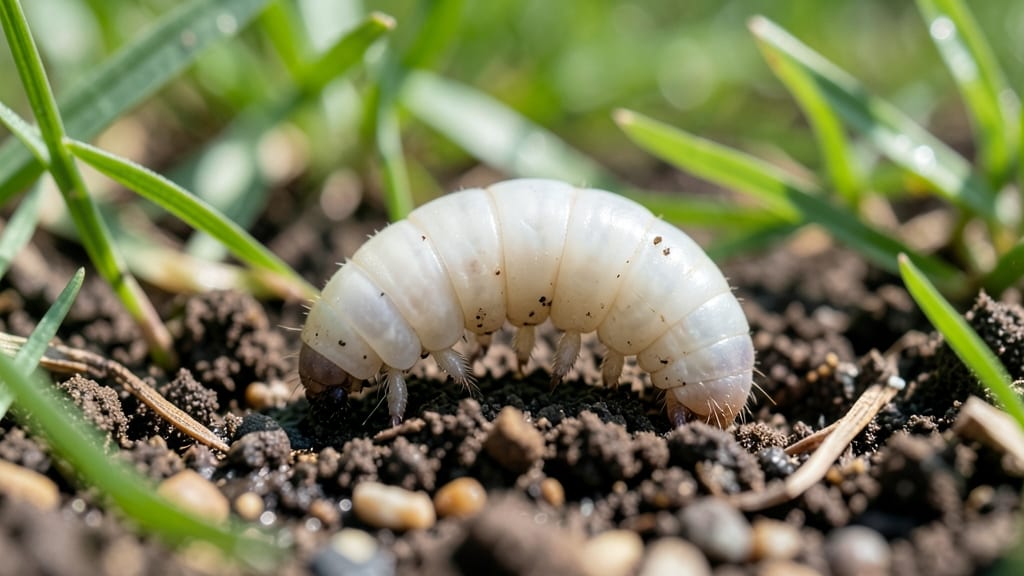
What causes grubs in lawns? The answer starts with beetles—but the real destruction happens underground. 🌱 These C-shaped larvae thrive in moist, organic-rich soil, turning your green carpet into a buffet. The problem isn’t just the beetles flying overhead; it’s the perfect storm of overwatering, thick thatch, and grass clippings left to decompose. The lifecycle is sneaky: adult beetles lay eggs in summer, and within weeks, grubs start munching on roots. By fall, you might notice brown patches or moles digging up your lawn—classic grub damage. The key to stopping them? Drainage, proper mowing, and removing thatch buildup before they get comfortable. With the right approach, you can break their cycle. Healthy grass outcompetes grubs, and simple soil checks reveal their presence before patches spread. Think of it as lawn armor—preventative care that keeps your yard resilient. Here’s the game-changer: a 3-step inspection (soil test, mole activity check, and patch examination) reveals infestations early. No chemicals needed—just smarter lawn habits.
The Hidden Triggers Behind Grubs
Grubs don’t just appear out of nowhere—they thrive because of specific conditions in your lawn. Understanding these triggers helps you take action before they turn your grass into a patchy mess. Here’s why they become a problem in the first place:
Japanese beetles (Popillia japonica) are the #1 reason for grub infestations. These metallic-green beetles lay eggs in late summer (July–August) in warm, moist soil—often in well-watered lawns with thick grass cover.
Here’s how it works: - Females burrow 2–4 inches deep to deposit 40–60 eggs in clusters. - Eggs hatch in 10–14 days into C-shaped grubs that feed on grass roots for 10–12 months before pupating. - Pro tip: 🔍 If you see chewed grass blades or irregular brown patches in late summer, beetles may be active nearby.
Grubs don’t survive in harsh environments—they need three key factors:
- Moisture: They thrive in consistently damp soil (think overwatered or poorly draining lawns).
- Organic Matter: Rich, loamy soil (full of decomposed plant material) gives them easy access to roots.
- Warmth: 60–85°F soil temps (common in summer/fall) speed up their lifecycle.
⚠️ Warning: If your lawn has recently been fertilized with high nitrogen, grubs get a buffet—new root growth attracts them like a magnet.
Not all lawns are equally tempting. Grubs prefer:
- Cool-season grasses (Kentucky bluegrass, fescue, ryegrass) over warm-season types.
- Thick, healthy turf (they hide in the thatch layer, undetected).
- Newly seeded lawns (tender roots are an easy meal).
💡 Pro Tip: If your lawn is sparse or recently renovated, grubs may move in to take advantage of weak roots.
While Japanese beetles are the main offenders, two other pests can cause grub problems:
- European chafer grubs (Rhizotrogus majalis): Lay eggs in early summer; grubs mature faster (6–8 weeks).
- Masked chafer grubs (Cyclocephala spp.): Prefer shady, moist areas and have a one-year lifecycle.
🔎 How to tell? European chafer grubs are smaller and cream-colored, while masked chafer grubs have a brown head capsule.
Grubs follow a predictable seasonal schedule:
- Summer (June–August): Beetles emerge, mate, and lay eggs.
- Fall (September–October): Eggs hatch; grubs feed aggressively as soil stays warm.
- Winter: Grubs go dormant but stay active in mild climates.
- Spring (April–May): Grubs pupate into beetles, repeating the cycle.
🌡️ Climate note: Warmer regions (South, Midwest) see year-round activity, while cooler areas may have dormant periods.
Sometimes, our own lawn care creates the perfect grub paradise:
- Overwatering keeps soil too moist for natural predators (birds, toads).
- Excessive fertilizer (especially in summer) triggers new root growth = more grub food.
- Compacted soil (from foot traffic or heavy equipment) stresses grass, making it easier for grubs to feed.
✨ Prevention tip: Reduce summer watering and aerate compacted areas to disrupt grub-friendly conditions.
Quick Fixes for Grub Infestations
Grubs wreaking havoc on your lawn? Don’t panic—these targeted solutions will help you reclaim your green space. Whether your problem stems from overwatering, poor drainage, or unbalanced soil, the right approach depends on the root cause.
Below, we break down how to tackle grubs based on their lifecycle stage and environmental triggers, plus preventive steps to keep them away for good.
Before diving into treatments, confirm you’re dealing with grubs (not other pests like chinch bugs or moles). Dig up a small patch of sod—if you find white, C-shaped larvae (1/4" to 1") near the roots, it’s grubs.
If your lawn has patches of brown, spongy turf that pulls up easily, that’s a classic grub sign.
Grubs in their younger stages (just hatched or early L1-L2) are easier to eliminate before they mature. Here’s how:
👨🍳
Apply Beneficial Nematodes (Biological Control) Best for: Organic lawns or prevention-focused treatment. How it works:** Microscopic nematodes (Heterorhabditis bacteriophora) infect and kill grubs naturally. Steps: 1. Water your lawn the evening before treatment (soil should be moist).
- Mix nematodes with water (follow package instructions—usually 1-2 billion nematodes per 1,000 sq. ft.).
- Apply with a sprayer or watering can, ensuring even coverage.
- Water lightly afterward to help them move into the soil. 💡 Pro Tip: Apply nematodes late afternoon or evening to avoid UV damage.
Repeat every 4-6 weeks during grub season (spring/fall).
🥘 Use Milky Spore or Bacillus thuringiensis (Bt)
Best for: Organic or low-toxicity treatment. How it works: - **Milky spore (Bacillus popilliae): A bacteria that thrives in soil, killing Japanese beetle grubs (common in the U.S.).
Takes 1-2 years to establish but provides long-term control. - Bt (Bacillus thuringiensis var. tenebrionis): A fast-acting bacteria that grubs ingest when feeding. Works in 24-48 hours. Steps for Bt: 1. Water the lawn lightly the day before application.
- Sprinkle Bt granules evenly over affected areas (follow label rates).
- Water again to activate the bacteria. ✨ Bonus: Bt is safe for pets and kids once dry, but avoid overwatering after application.
If grubs have already caused large dead patches or you’re dealing with Japanese beetle grubs, chemical larvicides may be necessary.
🎯 Imidacloprid or Chlorantraniliprole (Systemic Insecticides)
Best for: Fast knockdown of mature grubs. How it works: These systemic pesticides are absorbed by grass roots, poisoning grubs when they feed. Steps: 1. Apply granules or liquid to the lawn using a spreader or sprayer.
- Water lightly afterward to help absorption (but don’t overwater).
- Reapply every 4-6 weeks during grub season. 🌡️ Warning: Some chemicals (like carbaryl) are toxic to bees and pets—opt for pet-safe brands if needed.
🔪 Carbaryl (Sevin) or Trichlorfon (Dylox)
Best for: Immediate, high-efficacy control (but use sparingly). How it works: These contact insecticides kill grubs on sight but require direct application to the soil. Steps: 1. Water the lawn the evening before treatment.
- Apply granules or dust evenly over the affected area.
- Water lightly to move the chemical into the soil. ⚠️ Caution: These are harsh on beneficial insects—use only as a last resort.
After applying treatments, your lawn needs extra care to bounce back:
- Aerate the soil to help roots recover and improve water drainage.
- Overseed bare spots with grub-resistant grass (e.g., tall fescue or Kentucky bluegrass).
- Reduce watering slightly to discourage future grub activity.
The best defense is a grub-proof lawn. Follow these long-term strategies:
💡 Soil & Water Management
Test your soil for moisture—grubs thrive in overly wet or compacted soil.
Aim for moderate drainage. - Water deeply but less frequently (1-1.5 inches per week) to discourage egg-laying by beetles. - Mow high (3-4 inches) to shade soil and reduce beetle attraction.
🎯 Natural Deterrents
- Encourage predators: Birds, toads, and moles eat grubs. Install a birdbath or toad house to attract them.
- Use nematodes preventatively in early spring and fall (before beetles lay eggs).
- Apply milky spore annually for Japanese beetle grub control.
🌱 Lawn Care Tweaks
- Avoid excessive nitrogen (grubs love lush, soft grass). Use a balanced fertilizer (e.g., 16-4-8).
- Dethatch annually to reduce egg-laying sites for beetles.
- Plant grub-resistant grasses like perennial ryegrass or fine fescue.
Final Note: If grubs return year after year, combine treatments** (e.g., nematodes + milky spore + proper watering) for the best results. A healthy lawn is your best weapon against these sneaky pests!
Frequently asked questions
Why do grubs suddenly appear in my lawn every year?
Grubs follow a predictable lifecycle tied to beetle activity. Adult Japanese beetles lay eggs in late summer (July-August), and those eggs hatch into grubs that feed on roots for 10-12 months before pupating. If you see consistent damage, it's likely the same beetle population returning annually—especially in lawns with thick grass cover and moist soil conditions.
Can I still have grubs if I don't see beetles flying around?
Beetles often fly at dawn/dusk or hide in trees/shade. The grubs themselves do all the damage underground. Look for signs like brown patches that pull up easily, increased mole activity, or birds pecking at the soil—these indicate active grub populations even without visible beetles.
How can I tell if my lawn damage is from grubs vs. drought or disease?
Grub damage has distinct signs: patches that lift easily (like sod), spongy turf, and moles/skunks digging. Drought damage appears uniformly dry, while fungal diseases often show powdery mildew or circular rings. The key test? Dig up a small section—if you find white, C-shaped larvae near roots, it's grubs.
Will my neighbor's lawn treatments affect my grubs?
Yes, especially if they use chemical larvicides. Wind can carry granules, and some systemic treatments (like imidacloprid) may leach into adjacent soil. For organic solutions, nematodes and milky spore are safer for shared boundaries. Always check with neighbors before applying strong chemicals near property lines.
How long does it take to see results from grub treatments?
Timing varies: Biological controls (nematodes/Bt) work in 24-48 hours, while milky spore takes 1-2 years to establish. Chemical treatments show results in 1-2 weeks but require reapplication. The fastest visible improvement comes from repairing damaged areas through overseeding and proper watering.