
Fertilization
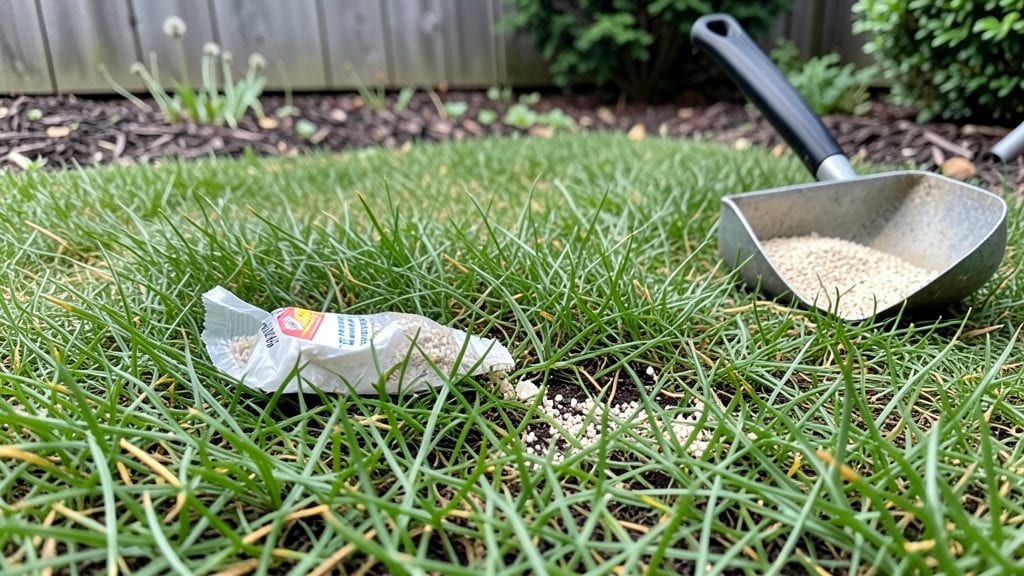
To fertilize grass effectively, aim for early spring (late March to early April) and fall (late August to early October) when soil temperatures sit between 55°F and 65°F. This timing maximizes root absorption and growth while avoiding stress during extreme heat or drought.
Timing your lawn fertilizer isn't just about seasons—it's about giving your grass the best chance to thrive.
Soil temperatures below 55°F slow down microbial activity, making nutrients harder for roots to absorb, while temperatures above 65°F can burn delicate grass blades. 🔥 Spring fertilization jumpstarts growth after winter dormancy, while fall applications strengthen roots for winter resilience.
I’ve seen lawns transform when homeowners stick to this schedule, especially in regions with unpredictable weather patterns.
Pro tip: Cool-season grasses like fescue and bluegrass love early spring and fall feedings, while warm-season types like Bermuda thrive with summer applications—but only if soil temps stay moderate. Always check your local climate zone for fine-tuning, and water deeply after fertilizing to help nutrients reach the roots.
💡 In This Article
- Soil Temperature and Seasonal Triggers for Fertilizing Grass
- Step-by-Step Guide to Choosing the Right Fertilizer Timing
Soil temperature and seasonal triggers for fertilizing grass
Here's what's actually happening at the root level: Grass roots thrive when soil temperatures hover between 55°F and 65°F because this range activates microbial activity that breaks down fertilizer into usable nitrogen, phosphorus, and potassium.
Below 55°F, soil microbes slow down by up to 70%, leaving nutrients locked away—like trying to drink through a straw with frost on it. Above 65°F, fertilizer salts can burn tender grass blades, creating brown patches that take weeks to recover.
The 55°F-65°F window also aligns with nature's growth cycles, when roots are actively expanding after winter dormancy or preparing for winter survival.
Seasonal timing matters because grass types have different metabolic rhythms. Cool-season grasses (like Kentucky bluegrass) enter dormancy in summer but need spring fertilization to kickstart growth after winter's nutrient depletion. Fall applications then replenish energy stores for winter.
Warm-season grasses (like zoysia) grow aggressively in summer but need early fall fertilization to strengthen roots before cooler weather slows metabolism.
What most people don't realize is that soil temperature lags behind air temperature by about 2-3 weeks—so checking a soil thermometer at 4-inch depth gives more accurate timing than just looking at the weather forecast.
The science behind this involves how fertilizer interacts with soil chemistry. At optimal temperatures, microbial populations explode, converting organic matter into plant-available nutrients through processes like nitrification. This creates a "fertility window" where grass can absorb 30-50% more nutrients than during cold or hot periods.
For example, a 100 lb nitrogen application in spring might yield 25 lb of usable nitrogen at 60°F soil, but only 10 lb at 45°F. This is why professional lawn care services use soil thermometers—they're not guessing, they're following the biological clock of your lawn.
Extreme conditions create hidden problems. During drought, fertilizer salts concentrate near the soil surface, creating a hyper-saline layer that blocks water absorption—like putting salt on a wound. In summer heat, grass blades become more permeable, making them vulnerable to salt burn from fertilizers.
Even well-intentioned summer applications can backfire by inviting weeds that thrive in disturbed, nutrient-rich soil. The key is matching fertilizer timing to your grass type's natural growth patterns, not just following calendar dates.
Consider these regional variations: In northern climates, early spring fertilization might wait until mid-April when soil finally warms to 55°F after winter's freeze. In southern zones, fall applications can extend into November before winter slows root activity.
The 55°F-65°F rule applies universally, but local climate zones can shift the calendar by 4-6 weeks. For example, Atlanta's fall fertilization window (October) differs from Seattle's (September) due to Pacific Ocean influences on soil warming rates.
What most homeowners miss is that soil temperature affects weed control too. Crabgrass and other summer weeds germinate when soil reaches 55°F—the same trigger for grass growth.
Pre-emergent herbicides work best when applied 4-6 weeks before crabgrass germination (typically March-April in most zones), creating a chemical barrier that only breaks down after 3-4 months. This timing synergy shows how soil temperature connects fertilization, weed prevention, and grass health into one seasonal strategy. 🌱