
Fertilization
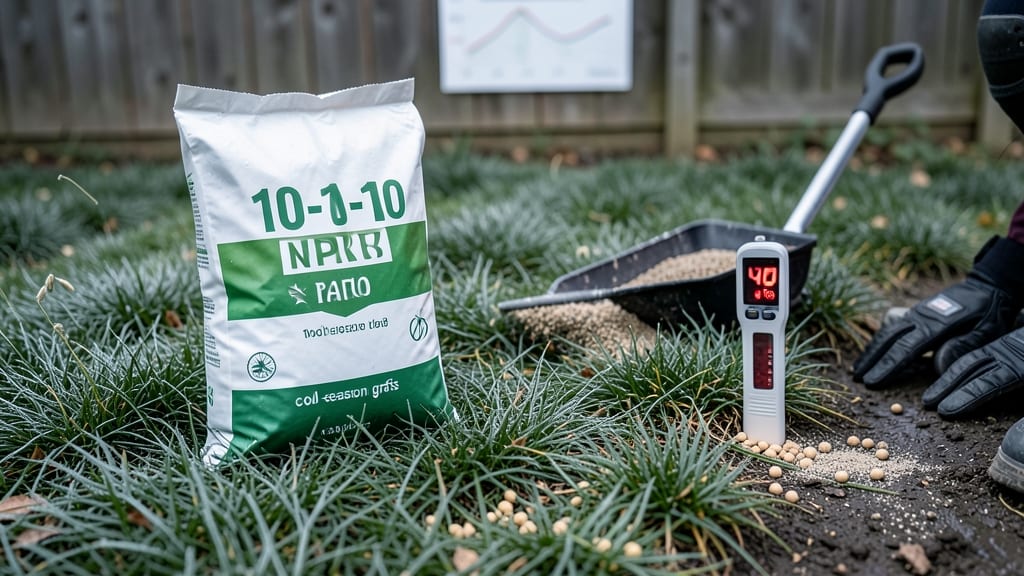
Fertilizing lawn grass when it is too cold to fertilize lawn can damage roots and waste your hard-earned money — and many homeowners still do it anyway.
Over-fertilizing in cold weather doesn’t just burn your wallet; it stresses your grass, invites pests, and can even lead to nutrient runoff that pollutes local waterways. The key is knowing the exact temperature thresholds for your grass type before reaching for that fertilizer spreader.
In USDA Zone 6, cool-season grasses like Kentucky bluegrass or fescue can handle light feeding down to 40°F, while warm-season grasses like Bermuda or Zoysia need to wait until soil temperatures rise above 60°F. Getting this wrong means wasted product and potential winter damage.
Below, I’ll break down the safe temperature ranges for your grass type, regional adjustments, and how to spot fertilizer burn before it’s too late. You’ll learn how to time your applications perfectly for a healthier lawn next spring.
Cold weather fertilization thresholds by grass type: safe temperatures explained
Fertilizing your lawn in cold weather can feel like a gamble—will it help your grass or harm it? The truth is, temperature thresholds for fertilization depend entirely on your grass type and local climate.
Cool-season grasses like Kentucky bluegrass and fescue thrive in cooler months, while warm-season grasses like Bermuda and Zoysia go dormant. Applying fertilizer at the wrong time can lead to nutrient runoff, winter burn, or even attract pests like chinch bugs.
I’ve learned from years of gardening that soil temperature matters just as much as air temperature. For example, in USDA Zone 6, where many homeowners struggle with this decision, soil temps below 50°F can signal it’s time to pause fertilization.
But in warmer zones like Zone 8, you might still fertilize warm-season grasses until late fall. Let’s break down the exact thresholds to keep your lawn healthy without risking damage.
For cool-season grasses, the sweet spot for fertilization is when air temperatures hover between 40°F and 60°F, and soil temperatures stay above 50°F. This typically aligns with early fall (September-October) or early spring (March-April).
In my experience, applying a slow-release fertilizer in late summer helps grass build roots before winter, but avoid fertilizing when frost is forecasted.
On the other hand, warm-season grasses need warmer conditions to activate growth. These grasses should only be fertilized when air temps are consistently above 60°F and soil temps exceed 65°F.
This usually means waiting until late spring or early summer. I’ve seen many lawns suffer from fungal infections when fertilized too early in warm climates, so timing is critical.
Regional adjustments are key. In northern climates (Zones 3-5), pause fertilization entirely once nighttime temps drop below 40°F. In southern climates (Zones 7-10), you might extend fertilization until November for warm-season grasses, but always check soil temps first.
A simple soil thermometer ($10 at garden centers) can save you from costly mistakes.
One common mistake I see is ignoring soil temperature in favor of air temperature. For instance, a sunny 60°F day might feel warm, but if the soil is still below 50°F, roots can’t absorb nutrients efficiently.
Always test soil temps at 4-inch depth—this is where grass roots are most active. If you’re unsure, err on the side of caution and wait a few weeks.
Another pro tip: light fertilization in late summer (August-September) can help cool-season grasses prepare for winter. Use a low-nitrogen fertilizer (like 5-10-10) to avoid overstimulating growth.
I’ve found that a quarter-strength application in late summer followed by a full dose in early spring yields the best results for Kentucky bluegrass in my Zone 6 yard.
If you’re in a transition zone (like USDA Zone 6b-7a), where both cool and warm-season grasses can thrive, your fertilization schedule should reflect that. For example, tall fescue (a cool-season grass) can handle light feeding in September, while Zoysia (warm-season) should wait until May.
Mixing grass types without adjusting your schedule can lead to uneven growth and pest problems.
Finally, always consider your local microclimate. Shady spots stay cooler longer, while sunny areas warm up faster. If your lawn has patches in full sun and others in shade, fertilize the sunniest areas first and monitor for signs of stress.
And remember: water deeply after fertilizing to help nutrients penetrate the soil and prevent runoff.
By following these temperature thresholds and adjusting for your grass type and region, you’ll keep your lawn lush without risking damage. Trust me, a little patience in fall and winter pays off with a greener, healthier lawn come spring. 🌱
Signs your lawn is getting fertilizer burn in cold weather (and how to fix it)
Cold weather fertilization is a common mistake that can leave your lawn looking patchy and unhealthy. When temperatures drop below 50°F (10°C), grass roots slow down dramatically, making them far more sensitive to salt and nutrient overload.
Even if you've applied fertilizer correctly in warmer months, the same product can cause severe damage when the ground cools.
One of the first signs of fertilizer burn in cold weather is yellowing patches that appear within days of application. These areas often feel crunchy or brittle when walked on, indicating root damage. Unlike normal seasonal discoloration, these patches won't recover without immediate intervention.
⚠️ When Is It Too Cold to Fertilize Lawn?
Never fertilize when air temperatures drop below 50°F (10°C) or when soil temperatures are under 55°F (13°C). For cool-season grasses (like Kentucky bluegrass), wait until spring green-up (typically April-May in most regions). Warm-season grasses (like Bermuda) should never receive fertilizer when nights dip below 60°F (15°C).
Pro Tip: Use a soil thermometer to check temperatures before fertilizing—this is more accurate than air temperature readings!
Another red flag is stunted growth where fertilizer was applied. Healthy grass should show steady growth after feeding, but cold-weather over-fertilization can cause blades to stop elongating or even turn brown at the tips.
This happens because the high salt content in fertilizers draws moisture from grass roots, dehydrating them in already-stressed cold conditions.
Fungal infections often follow fertilizer burn in cold weather. Look for white or pink mold appearing on patches of grass, or spongy, discolored spots that spread quickly. These are your lawn's way of signaling that the nutrient imbalance has created the perfect environment for pathogens.
The cooler the weather, the faster these issues can escalate.
To fix fertilizer burn immediately, flush the soil with 1-2 inches of water over the affected areas. This helps dilute the salt concentration and moves excess nutrients deeper into the soil.
Follow this by reducing watering frequency to every 3-4 days instead of daily, which prevents further salt buildup at the surface. For severe cases, consider applying gypsum (calcium sulfate) to help neutralize soil pH.
Moving forward, always check the weather forecast before fertilizing in fall or early spring. If frost is predicted within 48 hours, wait until temperatures stabilize. For slow-release fertilizers, apply them 6-8 weeks before the first expected frost date to allow gradual nutrient absorption without risking burn.