
Lawn
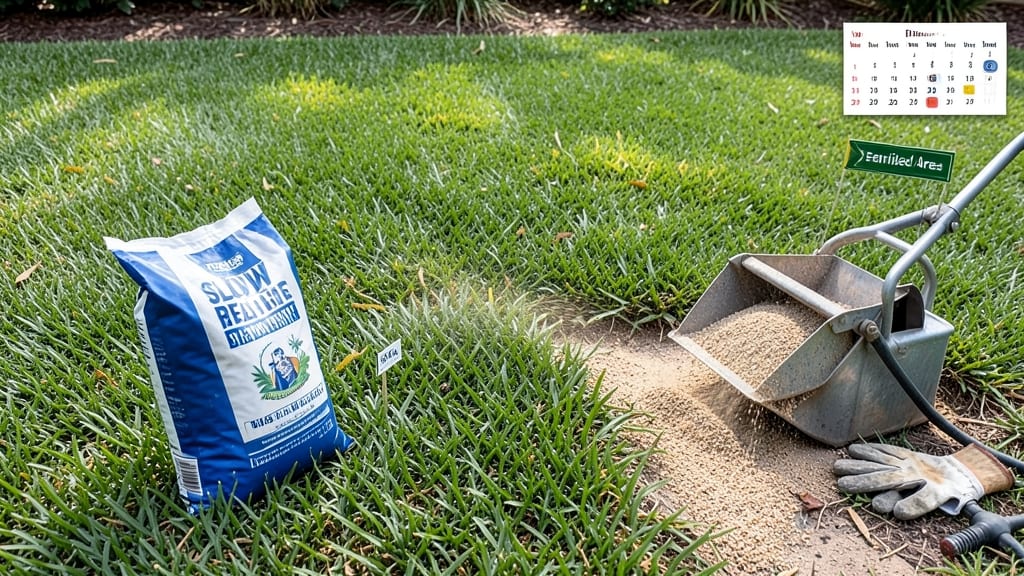
The best time to fertilize your Florida lawn is during late spring (May-June) and early fall (September-October), when temperatures and humidity create ideal conditions for grass growth. This timing prevents winter runoff and summer heat stress while optimizing nutrient absorption for Florida’s unique climate zones.
Florida’s humid subtropical climate means your lawn grows fastest during these two windows, but the North vs. South divide matters too.
In North Florida, cooler springs and falls may shift your schedule slightly earlier, while South Florida’s longer growing season lets you stretch fall fertilization into November. 🌱 The key is matching fertilizer types to your grass—slow-release options work best in summer’s heat, while quick-release formulas help kickstart spring growth after dormancy.
I always recommend a soil test first to avoid over-fertilizing, which can harm Florida’s delicate ecosystems and waterways.
For St. Augustine grass, late spring is critical to prevent brown patch fungus, while Bermuda and Centipede lawns thrive with fall applications that strengthen roots before winter. Pro tip: Water deeply after fertilizing to help nutrients reach the roots, and avoid fertilizing during droughts or heavy rains.
The right timing isn’t just about growth—it’s about protecting Florida’s environment too.
💡 In This Article
- Florida’s Lawn Fertilization Science: Why Timing Matters
- Step-by-Step Fertilization Calendar for Florida Lawns
Florida’s lawn fertilization science: why timing matters
Florida’s humid subtropical climate creates a delicate balance where grass growth cycles align with specific temperature and humidity thresholds. During late spring (May-June) and early fall (September-October), soil temperatures typically range between 75-85°F, which is ideal for microbial activity in the soil.
These microbes break down fertilizer nutrients into forms grass roots can absorb efficiently. In North Florida, where winters are slightly cooler, this window may shift to April-May and October-November to avoid early-season frost risks.
The science behind this timing involves grass root growth patterns.
Warm-season grasses like Bermuda and Centipede enter their most active growth phase when daytime temperatures consistently exceed 80°F, which typically occurs in late spring and early fall. 🌡️ During these periods, roots grow deeper and stronger, creating a more resilient lawn.
In contrast, cool-season grasses (less common in Florida) would thrive in cooler months, but our climate doesn’t support them long-term. The high humidity during these windows also helps maintain soil moisture, reducing fertilizer loss through evaporation.
Fertilizer type plays a crucial role in this timing strategy. Slow-release fertilizers are ideal for Florida’s summer heat because they provide consistent nutrient release over 3-6 months, preventing rapid nutrient burnout that can occur with quick-release formulas.
In spring, quick-release fertilizers can give grass an immediate growth boost after winter dormancy, but they require more frequent applications. The high rainfall during Florida’s growing seasons means any fertilizer applied outside these windows risks washing away before the grass can use it, causing environmental runoff and wasted money.
South Florida’s longer growing season allows for more flexibility in fall fertilization, sometimes extending into November, while North Florida’s shorter growing season demands more precise timing.
The key is matching your grass type to Florida’s climate patterns: St. Augustine grass, for example, benefits from late spring fertilization to prevent brown patch fungus, which thrives in the heat and humidity of June. Meanwhile, Bermuda grass responds better to fall applications that strengthen its root system before winter.
What most Florida homeowners don’t realize is how soil temperature affects nutrient availability. When soil temperatures drop below 60°F in winter, microbial activity slows dramatically, reducing the grass’s ability to absorb nutrients from even the best fertilizer.
This is why winter fertilization is discouraged—it often leads to nutrient runoff into Florida’s waterways, contributing to harmful algal blooms. The right timing isn’t just about growing a beautiful lawn; it’s about protecting Florida’s delicate ecosystems while maximizing your lawn’s health and resilience.
Consider this: A properly timed fertilization program can increase your grass’s drought tolerance by up to 30%, which is particularly valuable in Florida’s unpredictable rainfall patterns.
The science shows that grass fertilized during these optimal windows develops deeper roots that can access water from deeper soil layers, making your lawn more drought-resistant during Florida’s dry spells. This natural resilience is what separates a thriving Florida lawn from one that struggles through our challenging growing conditions.