
Fertilization
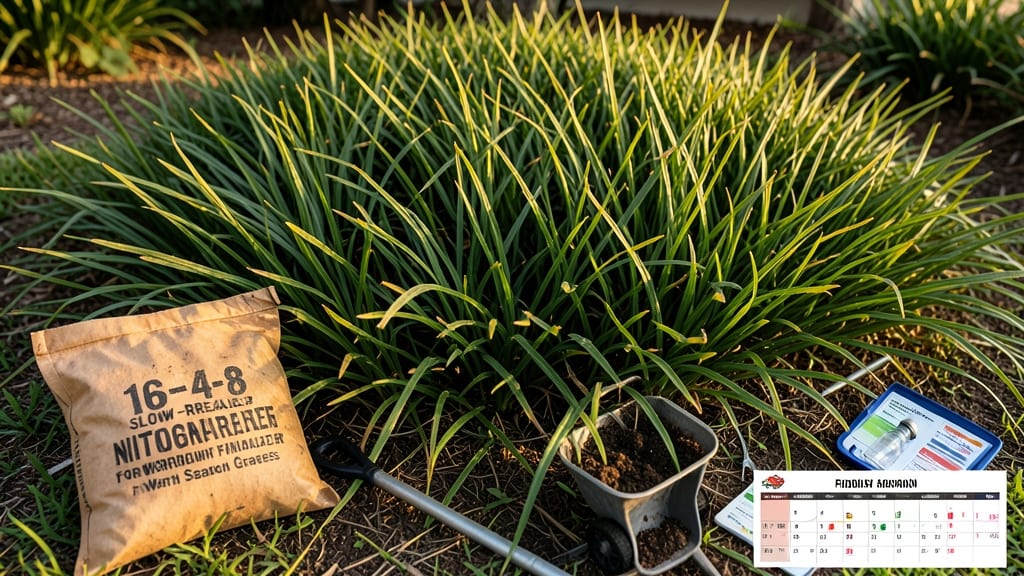
Fertilizing your Florida lawn at the right time is the key to a thick, heat-resistant green carpet that survives the humidity and storms 🌱 — and skipping the schedule means wasting money or damaging your grass.
Florida’s scorching summers and unpredictable rains make fertilizing a high-stakes game: too early, and you waste nutrients; too late, and your grass struggles to survive the heat.
The best time to fertilize depends on your grass type, with spring and fall being the prime windows for most varieties like St. Augustine or Bahiagrass.
In this guide, I’ll break down the exact months to feed your lawn, how Florida’s microclimates (North vs. South) change the timing, and when to skip fertilization entirely to avoid runoff or harm during hurricane season.
You’ll also learn how to read your grass’s signals—yellowing patches, slow growth, or weed invasions—and adjust your schedule to match your soil’s needs, not just the calendar.
Best fertilization schedule for Florida lawns by grass type
Florida’s unique climate demands a tailored fertilization approach for each grass type. Whether you have St. Augustine in North Florida or Bermuda in the South, timing and nutrient ratios make all the difference.
The key? Spring and fall feedings for most types, with summer adjustments for heat tolerance. Let’s break down the optimal schedule for Florida’s top five lawn grasses.
First, understand that Florida’s climate zones (9a-11) impact fertilization timing. North Florida’s cooler winters allow earlier spring feedings, while South Florida’s year-round warmth means summer fertilization must be light and slow-release. Always test your soil’s pH (6.0-7.0 ideal) before applying fertilizer to avoid waste or harm.
Comparison Table: Florida Lawn Fertilization by Grass Type
For St. Augustine grass, the spring feeding (March-April) jumpstarts growth after winter dormancy. Use a 16-4-8 NPK ratio to encourage lush foliage, but avoid fertilizing in summer—this grass struggles with heat stress.
In fall, a September-October feeding prepares it for cooler months. Remember, St. Augustine thrives in acidic soil (pH 5.0-6.5), so test and amend if needed.
Bahiagrass is Florida’s most drought-tolerant option, making it ideal for low-maintenance yards. Fertilize in April-May and again in September with a balanced 10-10-10 NPK. Unlike other grasses, Bahiagrass doesn’t need winter feeding—it goes dormant naturally. For summer, reduce watering to 1 inch per week to prevent fungal issues.
If you have Centipede grass, timing is critical—feed in March-April for spring growth and August-September for fall recovery. This grass is sensitive to high nitrogen in summer, so opt for a low-nitrogen (15-0-15) fertilizer during hot months.
Centipede also prefers acidic soil (pH 5.0-6.0), so lime applications may be needed if your soil is too acidic
Signs your Florida lawn needs fertilizer (and when to avoid it)
Your Florida lawn sends subtle signals when it craves nutrients. Look for yellowing patches that don’t fade after mowing—this often means nitrogen deficiency. Thinning grass or bare spots where weeds take over is another red flag.
Even slow recovery after drought or foot traffic suggests your lawn needs a nutrient boost to bounce back.
But here’s the catch: these signs can mimic other problems. Drought stress or fungal infections might look like nutrient deficiencies. Before reaching for fertilizer, check your watering schedule and inspect for pest damage or disease spots.
A soil test can reveal the real issue—sometimes it’s pH imbalance, not lack of fertilizer.
⚠️ When NOT to Fertilize in Florida
Hurricane season (June-November): Fertilizer runoff during storms pollutes waterways and can burn stressed grass.
Extreme heatwaves (95°F+): Grass goes dormant to conserve water—feeding forces it to grow when it can’t survive.
After seeding or sodding: Wait 6-8 weeks to avoid burning tender new roots.
Winter months (Dec-Feb): Most Florida grasses grow slowly or dormancy—fertilizer just wastes money.
Timing matters just as much as what you fertilize with. For St. Augustine grass, apply fertilizer in early spring (March) and late fall (October) when temps are mild. Bahiagrass, however, thrives with summer feeding (May-July) but skips winter applications entirely.
Always use a slow-release formula to prevent nutrient spikes that burn roots.
Watch for weed explosions after rain—this often means your lawn’s weak from poor nutrition. Crabgrass and dandelions thrive in thin, nutrient-starved grass. If you see these invaders, fertilize with a pre-emergent in late winter (February) to starve weeds before they sprout, then follow up with nitrogen-rich feed in spring.
Pro tip: Mow high (3-4 inches) before fertilizing—taller grass shades out weeds and holds moisture better. After feeding, water deeply (1 inch) to help nutrients reach roots. Avoid fertilizing if rain is forecast within 48 hours—runoff wastes product and harms local waterways.
Remember, Florida’s microclimates vary wildly. North Florida’s cooler winters may allow early spring feeding (February), while South Florida’s year-round growing season lets you fertilize every 6-8 weeks. Always match your schedule to your grass type and local weather patterns.