
Lawn
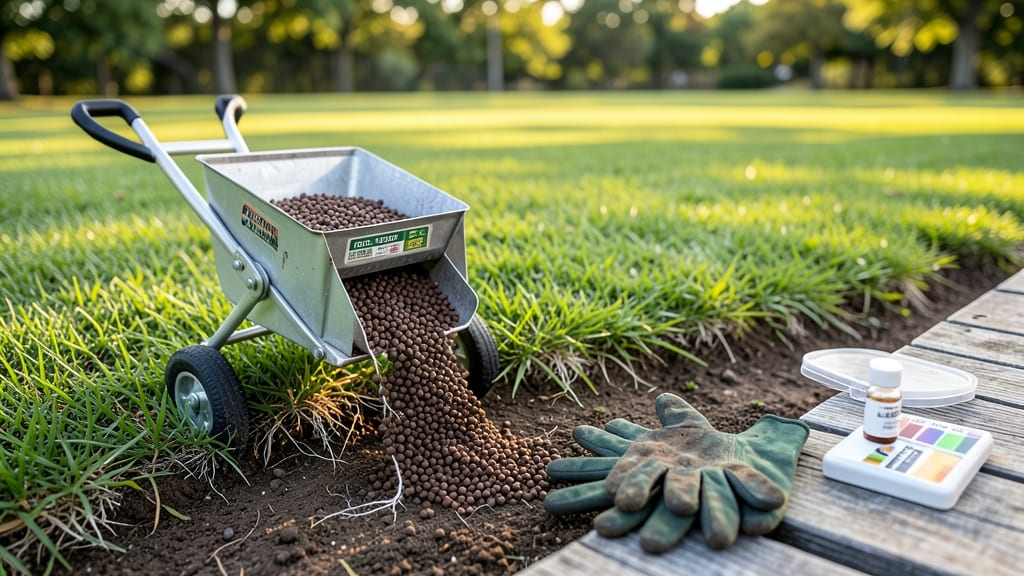
Fertilizing your lawn in Texas at the wrong time can leave you with brown patches and wasted money, so timing it right is the key to a lush, heat-resistant yard.
Texas lawns face brutal heat, drought, and soil challenges—fertilizing at the wrong time can waste money and harm your 🌱 Lawn Grass (Bermuda, St. Augustine, Zoysia, Buffalo Grass).
Whether you're in North Texas or down South, the best months for feeding your grass are spring and fall, when the weather cooperates and your lawn can actually use the nutrients.
In spring, aim for early March to April, just after the last frost, to give your grass a strong start. Then, in fall, a light feeding in October strengthens roots before winter.
Summer is the time to skip fertilizing entirely—overdoing it in the heat can burn your lawn and stress the grass.
Below, I break down the exact months to fertilize by region, the right products for Texas soil, and how to avoid common mistakes that leave lawns looking sad instead of thriving.
Texas lawn fertilizing schedule by season: month-by-month breakdown
Texas lawns thrive when fertilized at the right time—too early or late, and you risk burning grass or wasting nutrients. The key is aligning feeds with your grass type's growth cycles and Texas' extreme heat/drought patterns.
Warm-season grasses like Bermuda and Zoysia peak in summer, while St. Augustine slows in heat. Here's the science-backed schedule to keep your lawn lush without stressing it.
Most Texas gardeners make one critical mistake: fertilizing during summer heatwaves (June-August). This causes fertilizer burn and stresses roots. Instead, focus on spring green-up and fall root growth—the two most productive windows.
For Buffalo grass, even lighter feeding works, as it's ultra-drought tolerant. Let's break down each month's optimal approach.
🌱 Comparison Table: Texas Lawn Fertilization by Month
For Bermuda grass, the March-April feeding is non-negotiable—this is when it shifts from dormancy to rapid growth. Use a high-nitrogen fertilizer (30-0-4) to fuel that transition. St. Augustine, however, slows in summer heat, so September becomes its second critical window for root strengthening before winter.
Texas' North vs. South divide matters: In South Texas (USDA Zone 9-10b), you can fertilize St. Augustine lightly in January for early growth, while North Texas (Zone 8a) should wait until March
How to choose the right fertilizer for Texas heat: N-P-K ratios explained
Texas lawns demand heat-resistant fertilizers that won't burn grass under 100°F+ temperatures. The key lies in understanding N-P-K ratios—nitrogen (N) for growth, phosphorus (P) for root strength, and potassium (K) for drought resilience. For Texas, I recommend slow-release formulas with lower nitrogen in summer to prevent stress.
Most Texas soil is clay-heavy and alkaline, which locks out essential nutrients like iron and zinc. Look for fertilizers with micronutrients (e.g., iron sulfate or chelated iron) to combat yellowing. Organic options like composted manure or fish emulsion improve soil structure over time.
| Grass Type | Best N-P-K Ratio | Micronutrients Needed | Best Application Time |
|---|---|---|---|
| Bermuda | 16-4-8 (high N, moderate K) | Iron, Zinc | Spring (Mar-Apr), Fall (Oct) |
| St. Augustine | 30-0-4 (high N, low P) | Manganese, Copper | Spring (Feb-Mar), Early Fall (Sep) |
| Zoysia | 10-10-10 (balanced) | Boron, Magnesium | Late Spring (Apr-May), Fall (Nov) |
| Buffalo Grass | 12-4-8 (low N, drought-tolerant) | Sulfur, Calcium | Spring (Mar), Fall (Oct) |
Synthetic fertilizers like urea or ammonium sulfate provide quick green-up in spring but can leach nutrients during summer rains. For organic options, alfalfa meal (high in nitrogen) or kelp meal (rich in potassium) are excellent choices. Always water thoroughly after application to activate nutrients.
Texas' alkaline soil (pH 7.5-8.5) often lacks sulfur, which helps grass absorb phosphorus. Add elemental sulfur in fall to lower pH gradually. For drought-prone areas, choose slow-release polymers that feed grass over 8-12 weeks, reducing water stress.
Test your soil every 2-3 years—Texas A&M AgriLife Extension offers $15 soil tests. Adjust your fertilizer blend based on results. For example, if phosphorus is low (below 20 ppm), use a 5-10-10 ratio to boost root development before summer.
Pro tip: Apply half the recommended dose in early spring and the other half in late fall. This two-step approach prevents nitrogen burn while maximizing growth during cooler months. 🌱