
Pruning
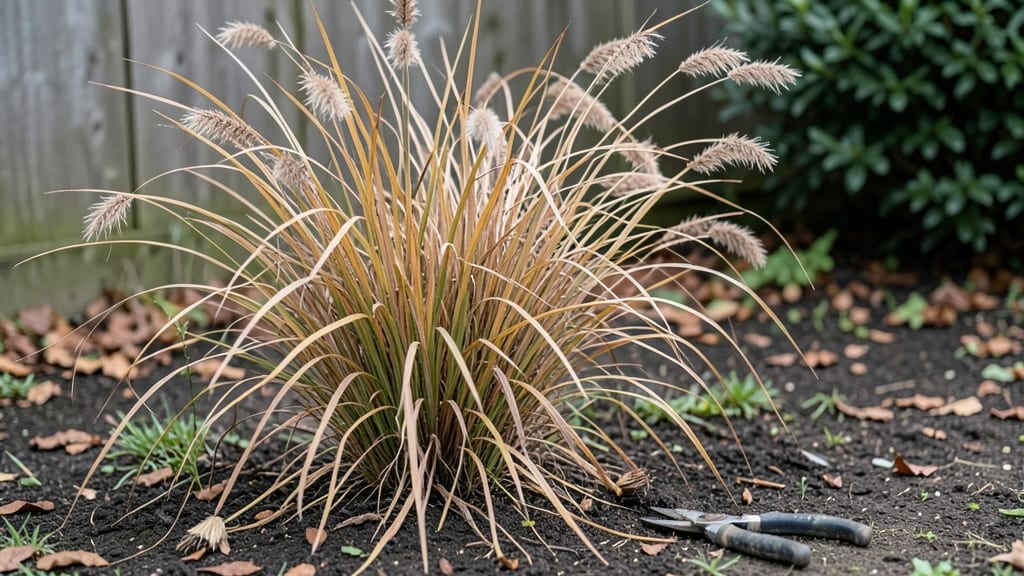
To cut back grasses properly, timing varies by type and climate: ornamental grasses should be trimmed in late winter or early spring before new growth begins, while cool-season grasses like fescue can be reduced in late summer. Warm-season grasses like Bermuda thrive when cut back in early spring or late fall, avoiding frost-sensitive periods.
Grass types respond differently to seasonal shifts, so knowing your local climate zone is key. Ornamental grasses like switchgrass or maiden grass need their late-winter trim to prevent smothering new shoots, while cool-season varieties benefit from late-summer thinning to encourage dense regrowth before winter.
Warm-season grasses, however, prefer early spring or fall cuts to avoid stressing their roots during extreme heat or cold. 🔥
For example, in Zone 5, I always cut back ornamental grasses in March before buds swell, while my neighbor in Zone 8 can safely trim theirs in February.
The difference comes down to frost risk—warm zones get away with earlier cuts, while colder areas must wait until after the last hard freeze. This timing ensures grasses rebound strongly for their growing season.
💡 In This Article
- Grass Growth Cycles and Climate Impact
- Step-by-Step Grass Trimming Guide by Type
Grass growth cycles and climate impact
Grass growth follows distinct seasonal patterns tied to temperature and daylight changes. Ornamental grasses like switchgrass or maiden grass enter dormancy in late fall, with growth resuming when daytime temperatures consistently reach 50°F in spring.
This 50°F threshold triggers root activity and new shoot emergence, making late winter/early spring the ideal time for trimming before these shoots appear.
Cool-season grasses like fescue or ryegrass, however, grow most actively during 60-75°F temperatures, which explains why late summer cuts work best—this timing allows them to regenerate before winter's chill sets in.
The USDA's climate zones play a critical role in determining exact timing. In Zones 3-5, where winters are harsh, ornamental grasses should wait until after the last frost date (typically mid-April) to avoid damaging tender new growth. Meanwhile, in Zones 7-9February.
Warm-season grasses like Bermuda or zoysia have different triggers—they go dormant when temperatures drop below 55°F, so late fall cuts (November) prevent winter dieback while allowing roots to store energy for spring.
What most people overlook is how grass height affects regrowth timing. Tall ornamental grasses like Panicum virgatum (switchgrass) can be cut back to 6-12 inches in late winter, while shorter varieties like Carex (sedges) only need 3-6 inches.
The key is removing enough old growth to prevent smothering but leaving enough foliage to protect the crown from cold snaps. Cool-season grasses should never be cut below 2-3 inches in late summer, as this height provides insulation during winter.
Climate also dictates moisture availability during regrowth. In arid Zones 8-10, warm-season grasses like buffalo grass may need irrigation after cutting to stimulate root recovery, while humid Zones 4-6 often provide sufficient spring rains.
The science here involves photosynthesis—new growth needs 12+ hours of daylight and adequate moisture to establish before summer's heat arrives. This is why early spring cuts for warm-season grasses work best: they align with increasing daylight and soil warming.
One surprising factor is how wind exposure affects regrowth timing. In exposed areas, ornamental grasses may need 1-2 weeks earlier cutting than sheltered plants, as wind stress accelerates dormancy.
For example, a Miscanthus sinensis in a windy Zone 6 garden might be trimmed by late March when the same variety in a sheltered spot could wait until mid-April. Always check for green shoot tips before cutting—these indicate active growth and signal it's safe to trim.
For precision timing, consult your local Cooperative Extension Service for frost date averages.
In my Zone 5b garden, I've found that cutting ornamental grasses on March 15th gives them 6 weeks of growing season before summer heat arrives, while cool-season grasses trimmed on August 1st have 8 weeks to establish before winter dormancy.
These windows ensure grasses enter their next growth cycle at peak strength. 🌱