
Pruning
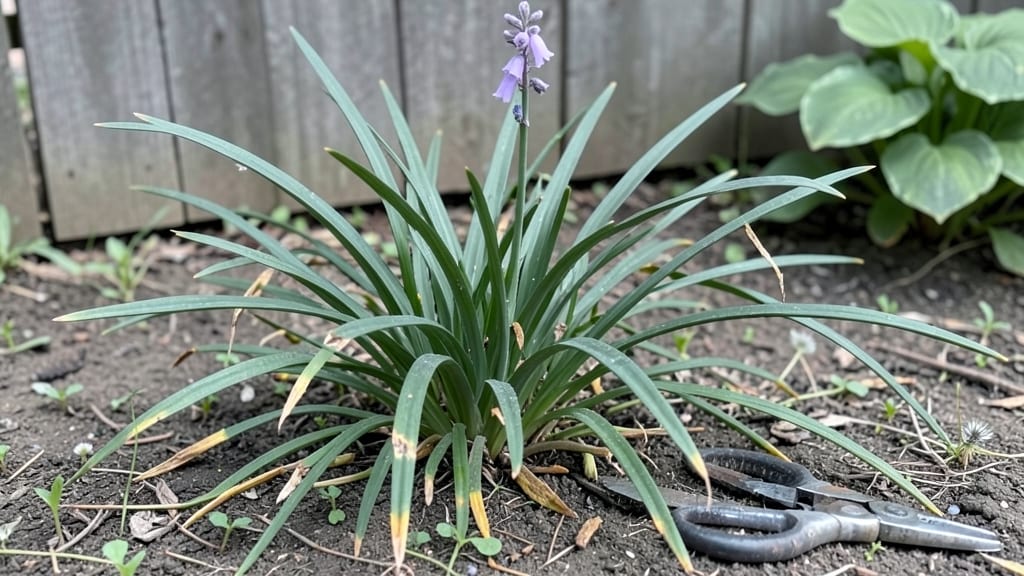
To cut down monkey grass (Liriope muscari), wait until late fall or early winter after the foliage turns brown and dies back naturally—usually between October and December in most climates. This timing prevents unwanted seed heads and ensures vigorous regrowth in spring.
Timing matters because monkey grass enters dormancy when temperatures drop, making it more resilient to pruning. 🌿 Cutting too early disrupts its natural cycle, while waiting too long can leave the plant vulnerable to winter damage.
I’ve found that northern climates may need to adjust slightly earlier (September-October) due to colder winters, while southern regions can often wait until December. The key is watching the foliage—once it’s fully brown and crispy, it’s ready for cleanup.
This approach also keeps your yard looking tidy without sacrificing the plant’s health. Over time, proper pruning encourages denser growth and fewer weeds, making your landscape maintenance easier. Just remember: never cut below the crown, and always use sharp tools to avoid tearing the rhizomes.
💡 In This Article
- Monkey Grass Growth Cycles and Dormancy Phases
- Step-by-Step Guide to Pruning Monkey Grass
Monkey grass growth cycles and dormancy phases
Monkey grass (Liriope muscari) follows a distinct seasonal rhythm driven by temperature shifts. As days shorten and temperatures drop below 50°F, the plant detects these cues through a process called vernalization, where cold exposure triggers dormancy.
This natural shutdown conserves energy in the rhizomes (underground stems), allowing them to survive winter's harsh conditions. The foliage turns brown and crispy as chlorophyll breaks down—a visual signal that the plant has entered its dormant phase.
The ideal pruning window opens when 80-90% of the foliage has browned, typically between October and December in most U.S. zones (5-9). In northern climates (zones 3-5), where winters arrive earlier, pruning in September-October is safer to avoid frost damage to fresh cuts.
Southern regions (zones 8-10) can often wait until December, as milder winters delay dormancy. The key is avoiding pruning during freezing temperatures (28°F or below), which can stress the plant.
Cutting too early—when green growth remains—disrupts the plant's energy storage process. The rhizomes need time to store carbohydrates (like starches) in their roots during late summer and fall. If you prune prematurely, you're essentially starving the plant before it's prepared for winter.
Conversely, waiting until spring risks leaving dead foliage that can harbor pests or diseases over winter.
What most gardeners don't realize is how the rhizome system responds to timing. When pruned at the right moment, the rhizomes redirect their energy toward root expansion rather than seed production. This creates a denser, more vigorous regrowth in spring.
The plant's natural defense mechanism kicks in during dormancy, where cell division slows and protective compounds build up in the rhizomes—making them more resilient to pruning stress.
Regional adjustments matter because daylight hours vary dramatically. For example, in Zone 6, where first frosts can hit as early as October, pruning in late September ensures the plant has completed its energy storage before winter sets in.
Meanwhile, in Zone 9, where winters are mild, waiting until December gives the plant more time to prepare. The general rule is to prune 2-4 weeks after the first hard frost in your area.
Here's what happens if you prune at the wrong time: Cutting in late summer (before dormancy) can stimulate new growth that won't harden off before winter, leading to frost damage.
Waiting until spring risks leaving dead foliage that can smother new shoots or harbor fungal diseases like leaf spot (caused by Bipolaris fungi). The sweet spot is when the plant has naturally shut down but hasn't yet been stressed by prolonged cold.
Pro tip: Observe your local climate patterns. If your area experiences early frosts or sudden cold snaps, err on the side of pruning slightly earlier. The goal is to remove the dead foliage while the rhizomes remain active enough to handle the stress—but not so active that they're still growing.
This balance is what turns a simple pruning job into a growth-boosting ritual for your landscape. 🌱