
Lawn
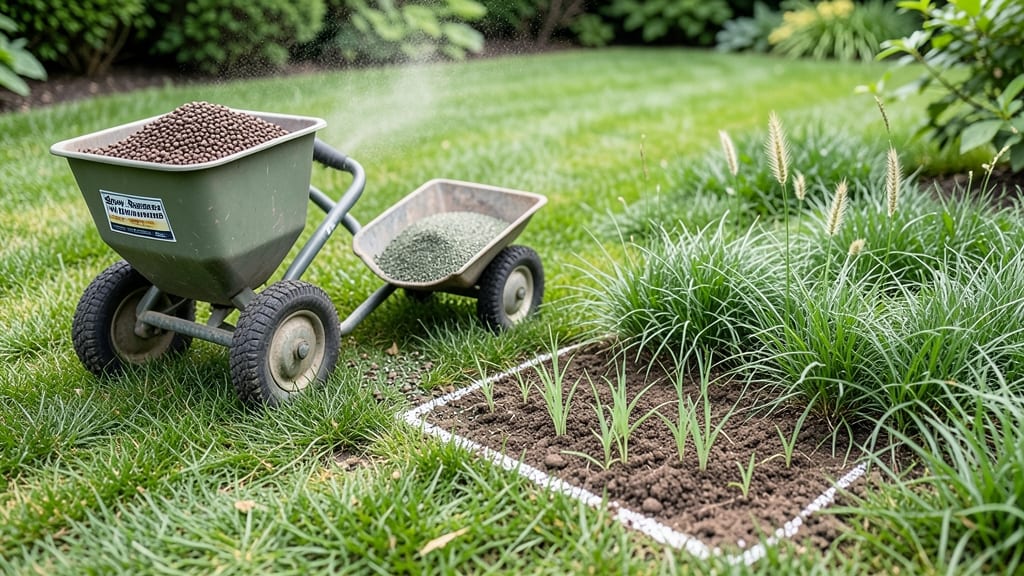
Fertilizing and seeding your lawn at the right time is the key to a thick, green carpet that stays resilient year after year.
A lush, green lawn doesn’t happen by accident—it’s the result of precise timing for fertilization and seeding.
Get the schedule wrong, and you’ll waste money, time, and effort on weak grass that struggles to thrive. One wrong move in the spring or fall can leave your yard patchy and prone to weeds.
Whether you’re in Zone 6 or another region, the best window for seeding lawn grass is early spring (March–April) or early fall (August–September). This timing aligns with the plant’s natural growth cycle, ensuring strong root development before extreme heat or cold sets in.
In this guide, I’ll walk you through the exact months to fertilize, how to prep your soil, and what to avoid—so you can skip the guesswork and grow a lawn that’s the envy of the neighborhood.
Best seasons for fertilizing and seeding your lawn (by climate Zone)
Timing is everything when it comes to lawn care. Cool-season grasses like Kentucky bluegrass and fescue thrive in cooler months, while warm-season grasses such as Bermuda and Zoysia prefer hotter temperatures.
Your climate zone determines the perfect window for fertilization and seeding—miss it, and you’ll end up with patchy, weak grass. Let’s break down the best times by region to ensure your lawn gets the care it needs.
In the Northern U.S. (USDA Zones 3-6), early fall (August-September) is the gold standard for seeding and fertilizing cool-season grasses. This timing lets seeds germinate before winter, while spring fertilization (April-May) kickstarts growth.
Meanwhile, Southern U.S. lawns (Zones 7-10) should focus on late spring (May-June) for warm-season grasses, with a light fall feeding to prepare for winter dormancy.
| Climate Zone | Grass Type | Best Seeding Time | Best Fertilizing Time | Soil Temp for Germination |
|---|---|---|---|---|
| Northern U.S. (Zones 3-6) | Cool-season (Kentucky bluegrass, fescue) | Early fall (Aug-Sept) or early spring (April) | Fall (Sept-Oct), Spring (April-May) | 50-65°F (10-18°C) |
| Southern U.S. (Zones 7-10) | Warm-season (Bermuda, Zoysia) | Late spring (May-June) | Spring (April-May), Light fall (Oct) | 65-75°F (18-24°C) |
| Transition Zones (Zones 6-7) | Mix of cool/warm (Tall fescue) | Early fall (Sept) or late spring (May) | Fall (Sept-Oct), Early spring (March) | 55-70°F (13-21°C) |
Temperature plays a critical role in seed germination and fertilizer absorption. Cool-season grasses need soil temps between 50-65°F (10-18°C) to sprout, while warm-season grasses require 65-75°F (18-24°C).
Applying fertilizer when soil temps are outside these ranges can burn roots or waste nutrients. For example, fertilizing warm-season grass in winter does nothing—it’s dormant!
In Northern climates, fall fertilization (6-8 weeks before frost) is non-negotiable. This helps grass build deep roots before winter, making it 3x more resilient to spring drought and pests.
Meanwhile, Southern lawns should avoid heavy feeding in summer heat, opting for light applications in late spring to prevent burn damage.
Regional variations matter too. In Pacific Northwest (Zone 7-8), late summer seeding works because mild winters keep soil workable. But in Deep South (Zone 9-10), spring seeding is essential—summer heat would bake seeds before germination. Always check your USDA zone and local frost dates to fine-tune your schedule.
Don’t overlook soil preparation before seeding. Test your soil pH (ideal: 6.0-7.0) and amend with lime or sulfur as needed. Loosen compacted soil with a core aerator in spring or fall to improve seed-to-soil contact. Skipping this step means poor germination and wasted seed.
For overseeding (adding seed to an existing lawn), late summer is ideal in most zones. This lets new grass establish before winter while competing with summer weeds. Use a starter fertilizer (high phosphorus) to boost root growth.
In transition zones (like Tennessee or Virginia), split your seeding between early fall and late spring to cover both grass types.
Pro tip: Water deeply after seeding—1 inch per week—to keep soil moist but not soggy. Use a rain gauge to track moisture; most seeds need consistent dampness for 2-3 weeks to sprout. Avoid walking on new seed until it’s 1-2 inches tall to prevent damage.
Remember, fertilizer isn’t a one-size-fits-all solution. Slow-release fertilizers (like 16-4-8 NPK) are best for spring and fall, while quick-release options work for emergency repairs in summer. Always follow the 3-1-1 rule: 3 parts nitrogen
Step-by-step fertilizer and seed application timeline (with critical deadlines)
Timing is everything when it comes to fertilizing and seeding your lawn. Miss the optimal windows, and you’ll end up with patchy growth, wasted fertilizer, or even weed infestations.
The key is understanding monthly deadlines for soil prep, fertilizer types, and seeding depth—all tailored to your grass type and climate zone.
For cool-season grasses (like Kentucky bluegrass or fescue), focus on early fall and spring applications, while warm-season grasses (like Bermuda or Zoysia) thrive with late spring and summer care.
Below, I’ve broken down the exact steps to follow, including when to use slow-release vs. quick-release fertilizers and how to water for maximum root growth.
Test soil pH (6.0-7.0) and amend with lime or sulfur if needed. Apply a slow-release fertilizer (16-4-8 NPK) after mowing to encourage new growth. Water deeply after application.
Seed bare patches with a high-quality grass mix (e.g., tall fescue for cool climates). Use a quick-release fertilizer (24-0-10 NPK) for fast greening. Keep soil moist for 2-3 weeks post-seeding.
Apply a slow-release fertilizer (16-4-8 NPK) 6-8 weeks before frost to strengthen roots. Overseed thin areas with cool-season grass and water lightly daily for 14 days.
For warm-season grasses, apply a light fertilizer (10-0-10 NPK) in early summer to avoid heat stress. Water deeply early in the morning to prevent fungal growth. Avoid seeding during peak heat.
Skip fertilization during dormancy. Focus on light watering (bi-weekly) and aeration in early spring to prepare for the next growing season.
Pro tip: Always water before fertilizing to help nutrients absorb into the soil. Use a rain gauge to track moisture—your lawn needs 1 inch of water per week, either from rain or irrigation. Adjust your schedule based on local frost dates and rainfall patterns.
By following this timeline, you’ll avoid common pitfalls like over-fertilizing in summer or seeding too late in fall. The result? A thicker, greener lawn with fewer weeds and stronger roots to handle drought or foot traffic.
🌱