
Lawn
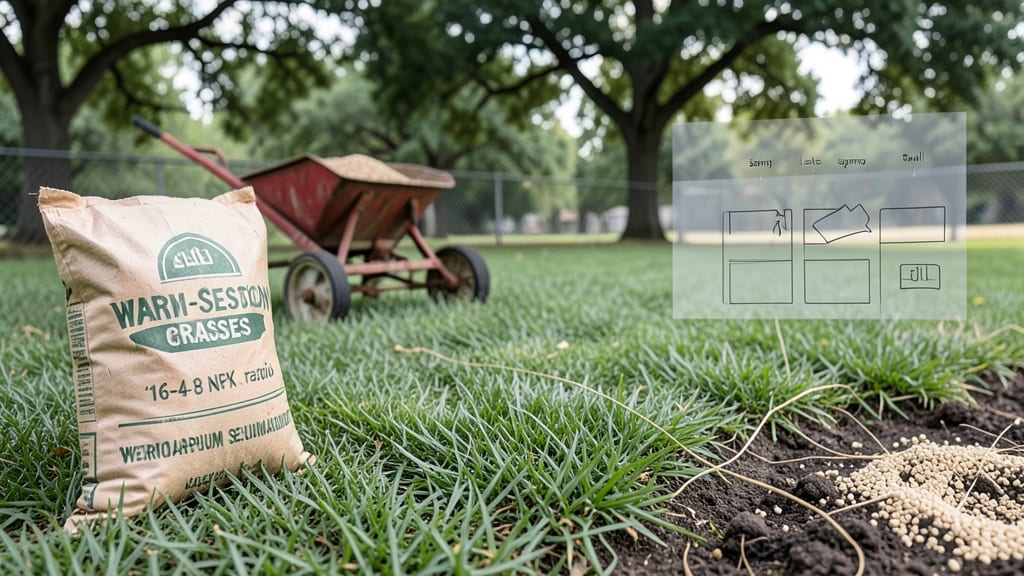
Fertilizing lawn in East Texas at the wrong time can turn your 🌱 into a heat-stressed mess—overwatered, yellowed, and weak by summer.
East Texas summers are brutal on lawns—scorching heat, relentless humidity, and aggressive weeds can turn your grass from lush green to patchy brown in weeks. But timing your fertilization just right can transform your lawn into a heat-resistant fortress that stays vibrant all year.
Most homeowners overlook the soil temperature rule: applying fertilizer when the ground is too hot burns roots, while feeding too late in fall leaves grass vulnerable to winter stress.
The key is a seasonal schedule that matches East Texas’s unique climate—think early spring for a growth boost, late summer for heat recovery, and light touches in fall to prep for winter.
In this guide, you’ll discover the exact months to fertilize for thick, heat-resistant grass, how to pick the right fertilizer for clay-heavy soil, and the 5 mistakes that waste money and weaken your lawn. Let’s get your grass growing strong again.
Best fertilization schedule for East Texas lawns by season (with soil temp guide)
Timing your lawn fertilization in East Texas isn't just about months—it's about soil temperatures and grass type. Warm-season grasses like Bermuda and St. Augustine thrive when soil hits 65°F+, while cool-season Tall Fescue prefers 55-60°F.
Miss these windows, and you'll waste money on fertilizer that won't absorb properly.
Soil temperature dictates root growth and nutrient uptake. In East Texas, spring and fall are the sweet spots for fertilization because moderate temps let grass absorb nutrients efficiently. Summer's extreme heat can actually burn roots if you fertilize at the wrong time.
Here's how to align your fertilization with East Texas seasons and soil conditions for maximum results:
| Season | Soil Temp Range | Best Grass Types | Fertilization Timing | Pre-Emergent Window |
|---|---|---|---|---|
| Early Spring (March) | 55-65°F | Tall Fescue, Ryegrass | Light feed (16-4-8) | Apply pre-emergent after last frost |
| Late Spring (April-May) | 65-75°F | Bermuda, St. Augustine | Full feed (30-0-4) | Apply pre-emergent by May 15 |
| Summer (June-July) | 80-95°F | Bermuda, Zoysia | Light feed (16-4-8) at dusk | Skip pre-emergent (weeds dormant) |
| Early Fall (August-Sept) | 75-85°F | All types | Full feed (30-0-4) | Apply pre-emergent by Sept 1 |
| Late Fall (Oct-Nov) | 55-65°F | Tall Fescue | Light feed (16-4-8) | None (winter weeds) |
| Winter (Dec-Feb) | Below 55°F | All types (dormant) | None | None |
For warm-season grasses, focus on late spring and early fall fertilization when soil temps are ideal. I recommend applying slow-release fertilizer in May and September to avoid nutrient burn during East Texas heatwaves.
Cool-season grasses like Tall Fescue should get their first feeding in March as soil warms, with a second light application in November to strengthen roots before winter. The key is matching fertilizer type to grass type—high-nitrogen for growth, high-potassium for heat resistance.
Don't forget pre-emergent herbicides! In East Texas, apply them in early spring (after last frost) and early fall (before weeds germinate). Timing is critical—apply too early, and you'll miss weeds; too late, and they'll already be established.
Always check soil temperature before fertilizing. Use a soil thermometer to confirm temps are in the ideal range. For Bermuda grass, wait until soil hits 68°F—applying fertilizer too early can stunt growth.
Water deeply 24-48 hours after fertilizing to help nutrients penetrate the soil. In East Texas's clay-heavy soil, this step is crucial to prevent runoff. I recommend morning watering to reduce evaporation and fungal risks.
For new lawns, hold off on fertilizer until the grass has established for 6-8 weeks. Over-fertilizing young grass can lead to thatch buildup and disease. Instead, focus on proper watering and mowing height during the first year.
Remember: East Texas heat accelerates nutrient depletion. Plan to fertilize every 6-8 weeks during the growing season, adjusting for rain and soil conditions. A well-timed fertilization schedule will give you that deep green lawn even during summer's worst heat.
How to adjust fertilizer type for East Texas heat and clay soil challenges
East Texas lawns face a double challenge: scorching summers that burn grass and heavy clay soil that drains nutrients too quickly. Fast-release fertilizers can scorch your lawn in this climate, while the wrong soil amendments waste money.
The key is choosing slow-release, high-potassium fertilizers that feed roots gradually and pairing them with soil amendments to improve water retention.
Clay soil holds moisture but suffocates roots, while Texas heat demands drought-resistant grasses like Bermuda or Zoysia. A high-potassium (K) fertilizer (like 16-4-8 or 30-0-4) strengthens root systems, helping grass survive heat stress.
Organic options like composted manure or bone meal also improve soil structure over time, but they require more frequent applications than synthetics.
Organic vs. Synthetic Fertilizers for East Texas Lawns
Organic Fertilizers
- Pros: Improves soil health long-term, slow-release nutrients
- Cons: Requires more frequent applications, slower results
Best for: Clay soil amendment + gradual feeding
Synthetic Fertilizers
- Pros: Fast nutrient delivery, precise NPK ratios
- Cons: Risk of burning in heat, no soil structure benefits
Best for: Quick recovery after heat stress or drought
For clay soil, mix gypsum (calcium sulfate) into the top 6 inches before fertilizing—it loosens compacted soil without altering pH. Follow up with a slow-release granular fertilizer in early morning to avoid heat stress. Avoid liquid fertilizers in summer; they leach nutrients quickly in clay.
My go-to combo for East Texas: 50% composted cow manure (for organic matter) + 50% synthetic 30-0-4 fertilizer (for potassium). Spread in late spring (April) and early fall (October) when soil temps are ideal (60-75°F). Water deeply after application to activate nutrients without runoff.
Test your soil every 2 years—East Texas clay often lacks phosphorus (P) and magnesium. If your grass turns yellow despite fertilizing, a Epsom salt (magnesium sulfate) top-dressing can revive it. Pair this with mulching to retain moisture and cool roots during peak summer heat.
Remember: Less is more in East Texas heat. Over-fertilizing wastes money and attracts pests like chinch bugs. Stick to the 1 lb per 100 sqft rule, and your lawn will thrive even when temps hit 100°F.