
Lawn
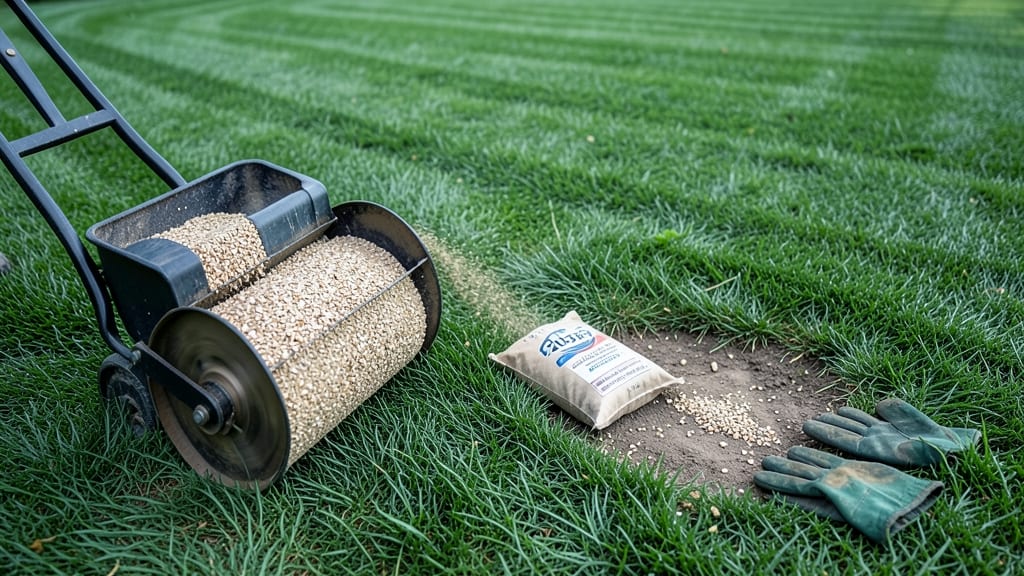
To fertilize lawn in fall, aim for early September through mid-November, aligning with your grass type and frost dates—cool-season grasses need feeding 4-6 weeks before the first frost, while warm-season grasses should be fertilized in late summer for root growth before dormancy. Your USDA hardiness zone determines the exact timing.
Fall fertilization isn't just about timing—it's about preparing your lawn for winter survival. 🌱 Cool-season grasses like fescue and bluegrass thrive with late-season feeding because the nutrients help them develop deeper roots before cold sets in.
Warm-season grasses, on the other hand, need that late-summer boost to strengthen their systems before they go dormant. I always check my local frost date and adjust accordingly—sometimes that means fertilizing as early as August in warmer zones or waiting until October in colder regions.
Pro tip: Look for slow-release fertilizers with a higher potassium content (like 10-10-20) for fall applications. This helps your lawn store nutrients efficiently over the winter months. And remember, proper watering after application is key—light but frequent watering helps the fertilizer penetrate the soil without washing away.
💡 In This Article
- Fall Fertilization Timing by Grass Type and Climate Zone
- Signs Your Lawn Needs Fall Fertilizer and Best Application Tips
Fall fertilization timing by grass type and climate Zone
Cool-season grasses like Kentucky bluegrass, tall fescue, and perennial ryegrass thrive with fall fertilization because they grow most actively during cooler temperatures. The ideal window is 4-6 weeks before your first frost date, which typically falls between early September and mid-November in most regions.
For example, in USDA Zone 5 (like Chicago or Minneapolis), this means fertilizing by late September, while in Zone 8 (like Dallas or Atlanta), you might extend it until early November. The key is to give these grasses time to absorb nutrients before the ground freezes.
Warm-season grasses, including Bermuda, Zoysia, and St. Augustine, follow a different schedule. They need their final feeding in late summer (August-September) to strengthen roots before dormancy sets in.
In Zone 9 or 10 (like Miami or Phoenix), this might mean fertilizing as early as July, while in Zone 7 (like Nashville or Denver), aim for late August. The goal is to avoid fertilizing too close to winter, as warm-season grasses won’t metabolize nutrients efficiently in cold weather. 🌡️
Your local frost date is the single most critical factor in timing. Check the National Weather Service or your state’s agricultural extension service for precise dates—these can vary by 1-2 weeks even within the same city.
For instance, a high-elevation area in Colorado might see frost by early October, while a coastal city like Seattle could wait until November. Always err on the earlier side: better to fertilize slightly ahead of schedule than risk the grass entering dormancy malnourished.
Climate also dictates fertilizer type. In wetter Northern regions, opt for slow-release fertilizers with higher nitrogen (like 30-0-4) to prevent runoff. Southern climates benefit from low-nitrogen, high-potassium blends (5-10-30) to promote root growth without encouraging late-season growth that could be damaged by early frosts.
The right blend ensures nutrients are available when the grass needs them most—during its active growth phase before dormancy.
Regional adjustments matter too. In drought-prone areas like the Southwest, water deeply after fertilizing to help nutrients penetrate dry soil. In humid Southeast regions, apply in the morning to let the lawn dry before evening dew sets in.
Always follow the 3-1-1 rule: 3 days before heavy rain, 1 day before mowing, and 1 hour before watering to maximize absorption. 💧
Pro tip: Use a soil test to check pH levels—ideal range is 6.0-7.0. If your soil is acidic, add lime before fertilizing to ensure nutrients are available. For example, fescue grass in Zone 6 thrives at pH 6.5, while Bermuda grass in Zone 10** prefers 6.0-6.5.
Adjusting pH can double the effectiveness of your fall fertilizer application.