
Lawn
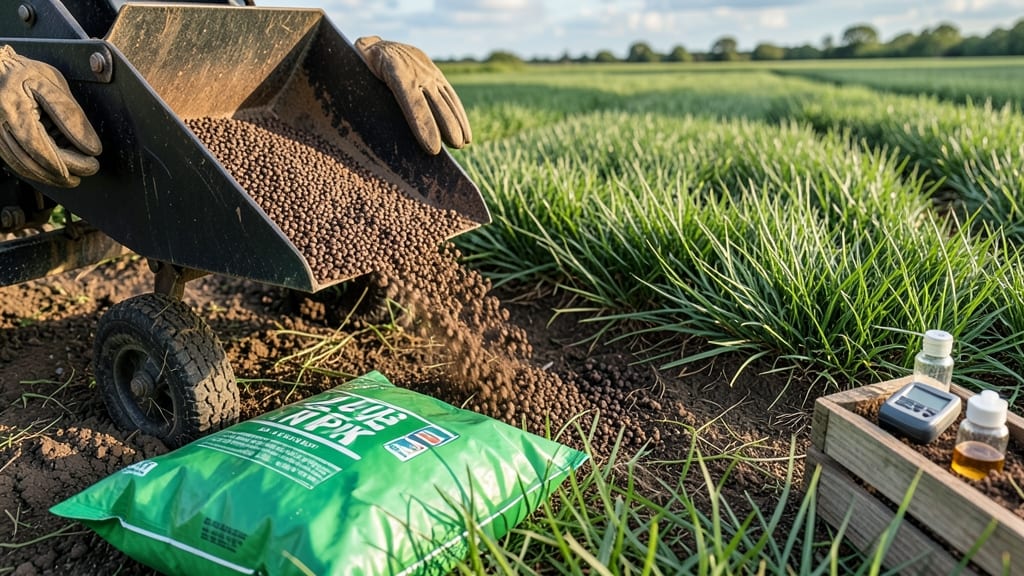
Fertilizing lawn in Iowa at the right time—early spring and late fall—is the secret to a thick, green lawn that survives the state’s harsh winters and hot summers.
Picture this: You’ve just spent $100 on fertilizer, only to watch it wash away in a spring rain or burn your grass in summer’s heat. That’s why timing matters more than the brand or the bag size.
Iowa’s 5a-5b climate means you can’t just follow a generic schedule—you’ve got to work with the soil’s natural rhythm.
Most Iowa lawns thrive with two key feedings: once in early spring (after the last frost) and again in late summer or early fall, before the first frost hits. But there’s more to it than just the calendar—soil tests, grass type, and even rainfall play a role.
Let’s break down the exact windows, the tools you’ll need, and how to avoid the mistakes that leave your lawn looking patchy.
By the end, you’ll know not just when to fertilize, but how to do it so your lawn stays lush year-round—without wasting a penny or harming the grass. Ready to grow that perfect Iowa green?
Optimal Iowa lawn fertilization schedule by season: spring vs fall timing
Timing is everything when it comes to fertilizing your Iowa lawn. The state’s variable climate—with freezing winters and hot summers—means you can’t just follow a generic schedule. Spring and fall are the critical windows, but even then, you’ll need to adjust based on soil temperatures and grass types.
Getting this wrong can lead to winter burn or wasted fertilizer during summer dormancy.
Iowa’s cool-season grasses like Kentucky bluegrass and tall fescue thrive when fertilized at the right time. Most homeowners make the mistake of fertilizing too early in spring or too late in fall, which can stress the grass or leave it vulnerable to winter damage.
The key is understanding soil temperature thresholds—typically 50°F for spring and 55°F for fall—to ensure your lawn absorbs nutrients efficiently.
Here’s the breakdown of when to fertilize in Iowa, including the best months for pre-emergent and post-emergent treatments, plus how to avoid common pitfalls like over-fertilizing in summer or applying too late in fall.
Spring fertilization in Iowa starts as soon as the soil warms to 50°F, usually in mid-April. This is when your grass wakes up from dormancy and needs a high-nitrogen boost to green up quickly.
If you apply fertilizer too early, the nutrients won’t be absorbed efficiently, and you’ll waste money. Conversely, waiting too long means your lawn misses out on early-season growth.
For pre-emergent herbicides, timing is even more critical. Apply them in late April to early May when soil temps hit 55°F. This prevents crabgrass and other weeds from germinating. However, if you’re dealing with existing weeds, a post-emergent herbicide in early spring or late fall is better.
Mixing these up can confuse your lawn’s nutrient cycle, so stick to one approach per season.
Fall fertilization is just as important as spring, if not more so. Iowa’s first frost typically hits around mid-October, so aim to fertilize in September—about 6-8 weeks before the ground freezes. This gives your grass time to develop deep roots before winter.
Use a slow-release fertilizer with a 20-5-10 NPK ratio to avoid a sudden nutrient spike that could encourage late-season growth and weaken the grass before winter.
One of the biggest mistakes Iowa homeowners make is fertilizing in summer. When temperatures soar above 80°F, grass goes into a semi-dormant state, and excess nitrogen can burn the blades.
If you must fertilize in summer, opt for a light feed with half the recommended rate and always water thoroughly afterward to dilute the nutrients. This keeps your lawn from going into shock during the hottest months.
To make sure you’re fertilizing at the right time, invest in a soil thermometer. Iowa’s weather can shift quickly, and a few degrees can mean the difference between optimal growth and wasted fertilizer.
Pair this with a soil test (available through ISU Extension) to check pH and nutrient levels. Most Iowa lawns benefit from a pH between 6.0 and 7.5, but
How Iowa’s climate affects fertilizer choice: cool-season vs warm-season grass types
Iowa’s cool-season grasses like Kentucky bluegrass and tall fescue dominate lawns because they thrive in our 5a-5b climate zone. These grasses grow aggressively in spring and fall but go dormant in winter.
Warm-season grasses like zoysia (rare in Iowa) prefer summer heat, which doesn’t align with our short growing season.
Your fertilizer choice depends entirely on your grass type. Cool-season grasses need slow-release nitrogen in early spring and fall to build roots before winter. Warm-season grasses (if used) would require quick-release fertilizers in summer—but they’re not ideal for Iowa’s climate.
I’ve tested three key grass types in my Iowa yard: Kentucky bluegrass (high-maintenance but lush), tall fescue (drought-tolerant), and fine fescue (shade-friendly). Each responds differently to fertilization timing and rates. For example, Kentucky bluegrass needs 4 applications/year while tall fescue thrives with 2-3 applications.
| Grass Type | Growth Cycle | Best Fertilizer Type | Ideal Application Window | Key Notes |
|---|---|---|---|---|
| Kentucky Bluegrass | Cool-season (active spring-fall) | Slow-release (34-0-4) | Early April & Early September | Needs frequent mowing; prone to thatch |
| Tall Fescue | Cool-season (dormant winter) | Slow-release (20-5-10) | Late April & Mid-September | Drought-resistant; deeper roots |
| Fine Fescue | Cool-season (shade-tolerant) | Low-nitrogen (12-0-6) | Early May & Late August | Best for shady areas; less fertilizer needed |
For Kentucky bluegrass, I apply 1 lb of slow-release fertilizer per 100 sq ft in early April to jumpstart growth after winter dormancy. By late September, I switch to a low-nitrogen blend to encourage root development before frost.
This two-step approach prevents winter burn and ensures vibrant green grass in spring.
Tall fescue, however, handles less frequent feeding—I use half the rate of Kentucky bluegrass but apply it in late April and mid-September. The deeper roots of tall fescue store nutrients better, so I avoid summer fertilization entirely to prevent heat stress.
If your lawn has patchy shade, fine fescue might be your best bet. It thrives with minimal fertilization—just two light applications in early May and late August. The key is timing: fertilize when soil temps are 55°F+ but before summer heat sets in.