
Lawn
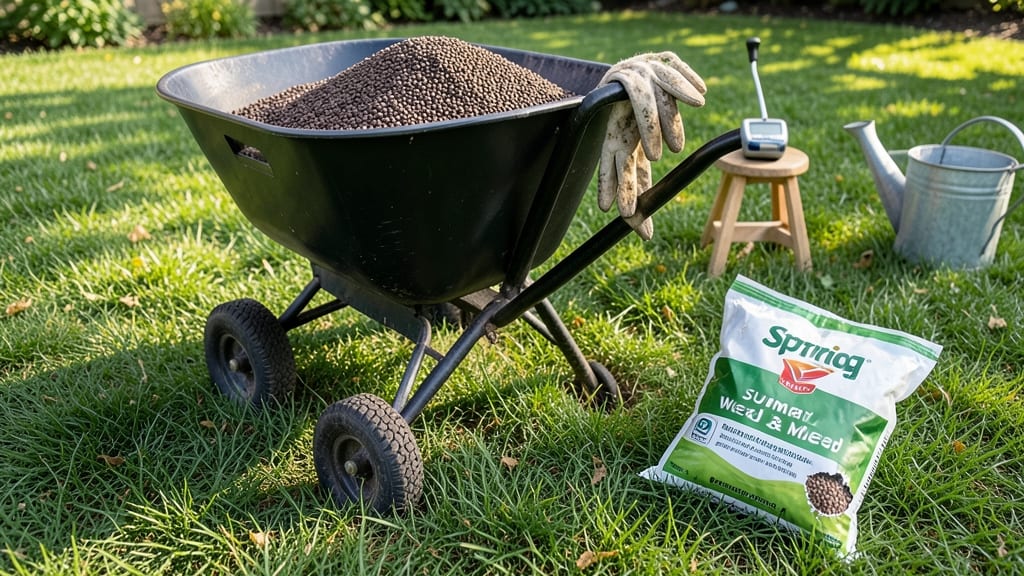
Fertilizing your lawn in Kansas City at the right time means the difference between a lush green carpet and a patchy, struggling yard.
Kansas City’s hot summers and cold winters demand a precise fertilization schedule to keep your lawn thriving year-round—but timing is everything. Miss the window, and you’ll waste money or even harm your grass.
The best times to fertilize are in early spring (March–April) and fall (September–October), when temperatures are mild and your lawn can absorb nutrients without stress. Clay soil and humidity add another layer, so we’ll break down exactly what to do—and when to skip it.
Here’s how to align your fertilization with Kansas City’s climate, from soil prep to post-application care, so you get stronger roots and fewer weeds.
Best fertilization timing for Kansas City lawns: spring vs fall schedule
Kansas City’s USDA Zone 6a climate creates unique challenges for lawn care, with hot summers and freezing winters. Your grass thrives when fertilized at the right times—spring and fall—when temperatures are moderate and grass actively grows.
Timing matters because fertilizing in extreme heat or cold can burn roots or waste nutrients.
Most Kansas City lawns are cool-season grasses like Kentucky Bluegrass or Tall Fescue, which grow best in 50-75°F soil temperatures. Warm-season grasses like Bermuda (less common here) prefer 80-95°F. We’ll focus on the cool-season schedule, which dominates local lawns, with key adjustments for warm-season types.
Here’s the golden rule: Fertilize when your grass is actively growing but not stressed. In Kansas City, that means early spring (March-April) and late summer/early fall (September-October). Let’s break down the optimal months, temperature thresholds, and why this schedule works for your local climate.
| Season | Best Months | Soil Temp Threshold | Grass Type | Key Action |
|---|---|---|---|---|
| Spring | March-April | 50-65°F | Cool-season | Light feed (16-4-8 NPK) |
| Spring | May | 65-75°F | Cool-season | Full feed (20-5-10 NPK) |
| Summer | June-August | Above 80°F | Warm-season | Skip (or light feed for Bermuda) |
| Fall | September | 70-75°F | Cool-season | Full feed (20-5-10 NPK) |
| Fall | October | 50-60°F | Cool-season | Winterizer (high potassium) |
| Winter | November-February | Below 50°F | All types | Skip fertilization |
🌱 Best Fertilization Windows for Kansas City Lawns
Let’s start with spring fertilization, which jumpstarts your lawn after winter dormancy. In Kansas City, aim for March through early April when soil temperatures rise above 50°F. This is when cool-season grasses break dormancy and begin rapid growth.
A light application (16-4-8 NPK ratio) in March helps rebuild roots without overstimulating growth before last frost (around April 15).
By late April to May, when daytime highs consistently stay above 65°F, your lawn is ready for a heavier feed (20-5-10 NPK). This timing aligns with peak growth periods and gives your grass the nitrogen it needs for dense, green foliage.
Water deeply after applying to activate nutrients and prevent burn. For warm-season grasses, delay until late May when soil temps exceed 70°F.
Summer fertilization is tricky in Kansas City’s humid, 90°F+ heat. Most cool-season grasses go dormant, so fertilizing can stress them. If you have Bermuda grass, apply a light feed in June when soil temps hit 80°F+, but avoid heavy applications.
Over-fertilizing in summer leads to brown patches and fungal growth from excess moisture retention in our clay-heavy soil.
Fall is your second critical window, starting in September when daytime temps drop to 70-75°F. This is when cool-season grasses enter their second growth surge before winter. Apply a full feed (20-5-10 NPK) in early September to promote root development and disease resistance.
By October, switch to a winterizer fertilizer (high potassium) to strengthen roots as temps approach 50°F.
Never fertilize in winter (November-February)—your grass is dormant and won’t absorb nutrients. Instead, focus on light raking and aeration to prepare for spring. Kansas City’s freezing nights and thaw cycles can compact soil, so core aeration in early spring (March) is a game
How to adjust fertilizer type by season in Kansas City
Kansas City’s cool-season grasses like Kentucky bluegrass and tall fescue need season-specific fertilizers to thrive. In spring, focus on high-nitrogen fertilizers to kickstart growth, while fall calls for slow-release options to strengthen roots before winter. Summer heat demands caution—over-fertilizing can burn grass, while wet springs may dilute nutrients.
I’ve learned the hard way that one-size-fits-all fertilizers fail in Kansas City’s USDA Zone 6a. The key is matching the NPK ratio (nitrogen, phosphorus, potassium) to each season’s needs.
For example, a 30-0-4 ratio in spring promotes leafy growth, while a 12-0-12 in fall boosts root development. Let’s break down the best choices for each season.
Spring Fertilizer (March-April)
✅ Pros
- Rapid greening from high nitrogen
- Encourages early weed suppression
- Works well with pre-emergent herbicides
❌ Cons
- Can burn grass if overapplied
- Requires frequent watering to activate
- Less effective in wet springs (nutrients leach)
Summer Fertilizer (June-July)
✅ Pros
- Supports drought recovery with potassium
- Slow-release options reduce burn risk
- Helps stress-resistant growth
❌ Cons
- High heat inhibits nutrient uptake
- Over-fertilizing causes brown patches
- Requires evening watering to avoid evaporation
Fall Fertilizer (September-October)
✅ Pros
- Strengthens root systems for winter
- Encourages dense growth before dormancy
- Slow-release lasts through freezing temps
❌ Cons
- Late applications won’t activate before frost
- Requires precise timing (avoid early October)
- Less visible results than spring feeding
For spring fertilization, I recommend a 16-4-8 ratio applied in early April after the last frost. This gives grass the nitrogen boost it needs without overdoing it. In summer, switch to a low-nitrogen, high-potassium fertilizer like 10-0-20 to help grass tolerate heat stress.
Always water deeply after application—this is non-negotiable in Kansas City’s clay soil.
Fall is my favorite time to fertilize because it’s low-stress for the lawn. A slow-release 12-0-12 applied in late September gives roots time to absorb nutrients before the ground freezes.
Pro tip: Avoid fertilizing if frost is forecast within 2 weeks—the grass won’t have time to use the nutrients, wasting your money and risking winter burn.
One mistake I see often is over-fertilizing in summer. When temperatures exceed 85°F, grass goes dormant, and excess nutrients just burn the blades. Instead, opt for half-strength applications every 8 weeks.
Another common error is skipping soil tests—Kansas City’s clay soil often needs lime adjustments before fertilizing. Test your soil in late winter to plan your spring regimen.
To summarize: Spring = high nitrogen, Summer = drought support, Fall = root strengthening. Stick to this schedule, and your Kansas City lawn will stay thicker, greener, and more resilient year-round. Just remember—timing and type matter more than quantity! 🌱