
Lawn
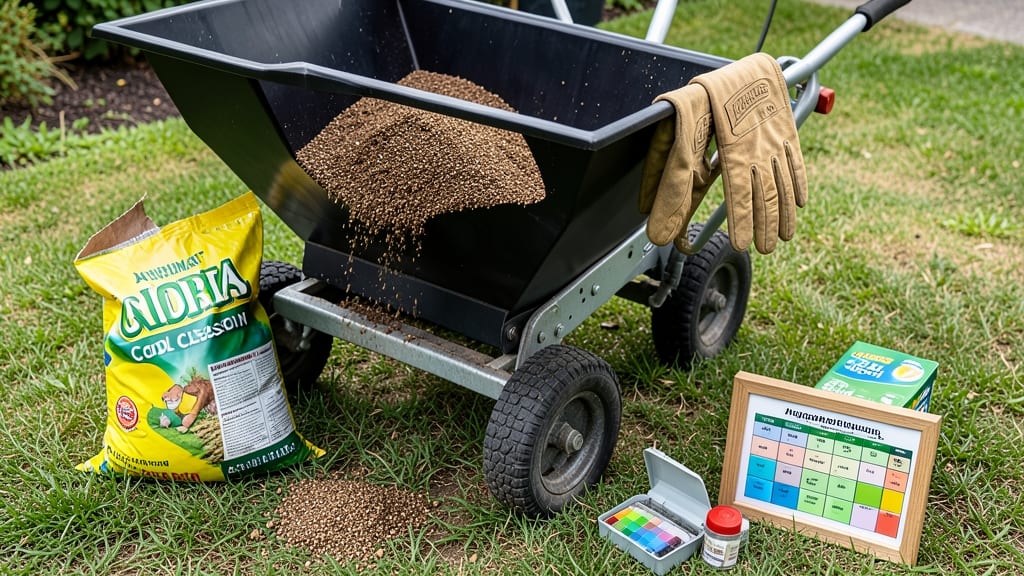
To fertilize lawn in Minnesota, time it for early spring (April to May) when soil temperatures hit 45–50°F, then again in early fall (September) to strengthen roots before winter. Skip fertilizing during dormancy or extreme heat to prevent stress.
Timing matters because Minnesota's climate creates a narrow window for optimal nutrient absorption. 🌱 When soil warms to 45–50°F in spring, grass roots wake up and actively grow, making them ready to use fertilizer. Fall applications in September help grass store nutrients for winter survival, especially in Minnesota's cold zones.
I've seen lawns in northern Minnesota thrive with this schedule, while southern areas might extend fall fertilization into October.
Pro tip: Test your soil first—many Minnesota lawns are deficient in phosphorus or potassium, which affects when and what type of fertilizer you should use. Organic options like compost or slow-release granules work well in our climate, while synthetic fertilizers require more precise timing to avoid runoff during spring rains.
💡 In This Article
- Minnesota Soil Temperature and Seasonal Fertilizing Rules
- Step-by-Step Minnesota Lawn Fertilizing Schedule by Month
Minnesota soil temperature and seasonal fertilizing rules
Minnesota's climate creates a delicate balance for lawn fertilization, where soil temperature acts as the primary trigger for grass growth. When temperatures rise to 45–50°F in spring, grass roots emerge from dormancy and begin actively absorbing nutrients.
This threshold isn't arbitrary—it's when soil microbes wake up and start breaking down organic matter, making nitrogen and phosphorus available to the grass. Below 45°F, these processes slow dramatically, and fertilizer simply sits in the soil without being utilized.
Fall fertilization works on a different principle. In September, when soil temperatures hover around 55–60°F, grass focuses on root development rather than top growth. This is crucial because stronger roots mean better winter survival and earlier green-up in spring.
The key difference is that fall applications should use low-nitrogen, high-potassium fertilizers to encourage root growth without promoting late-season top growth that might get damaged by frost. 🌱
What most people don't realize is how Minnesota's climate zones affect these thresholds. Northern regions (like the Iron Range) may need to wait until late May for consistent 50°F soil temps, while southern areas (like the Twin Cities) can start as early as mid-April.
The University of Minnesota Extension recommends using a soil thermometer—inserted 4 inches deep—to get accurate readings, as surface temps can be misleading.
Extreme heat presents another challenge. When temperatures exceed 85°F, grass goes into survival mode, shutting down nutrient uptake to conserve moisture. Fertilizing during heatwaves can actually burn grass blades, creating brown patches that take weeks to recover.
This is why Minnesota's late summer (August) is generally avoided—even though grass is growing, the stress from heat makes it vulnerable to fertilizer damage.
Here's what happens when you get the timing wrong: Fertilizer applied too early in spring (40°F soil) washes away in spring rains before grass can use it. Applied too late in fall (after October), it promotes weak growth that gets damaged by frost.
The sweet spot is when grass is actively growing but not stressed—typically April 15–May 15 for spring and September 1–15 for fall in most of Minnesota.
Consider this: A properly timed spring fertilization can increase grass density by 20–30% by summer, while fall applications improve root mass by up to 40%—both critical for Minnesota's harsh winters.
The science shows that these seasonal windows aren't just about timing, but about synchronizing fertilizer application with the grass's natural growth cycles. 🌿