
Lawn
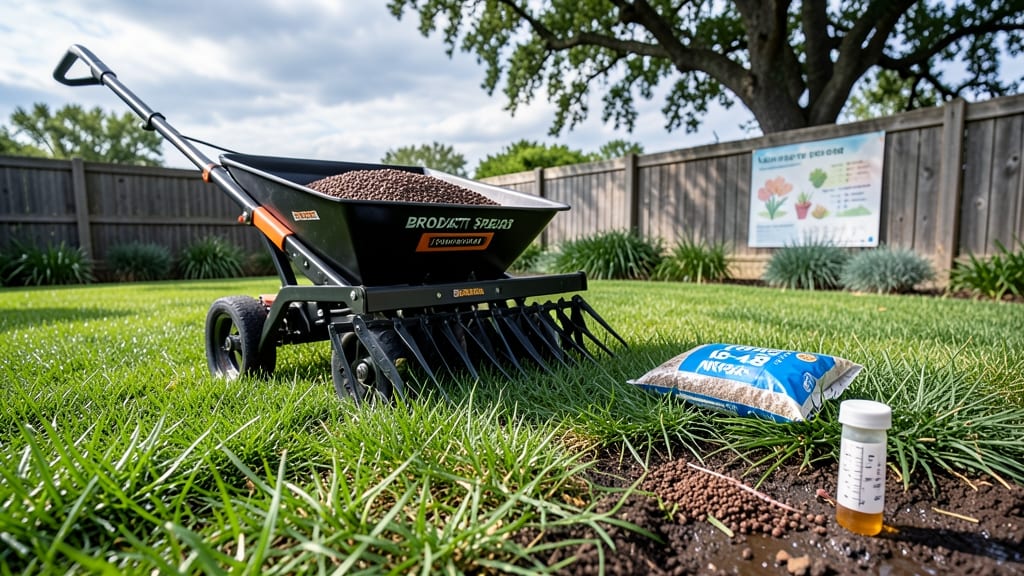
Fertilizing your lawn in North Carolina at the right time—spring and fall—is the secret to a thick, green carpet that survives the state’s heat and humidity without wasting money or burning your grass.
Picture this: You’ve just spent $50 on fertilizer, spread it carefully, and two weeks later, your lawn looks worse than before. That’s what happens when you fertilize at the wrong time in NC’s 7a-8b zones.
The key is aligning feeding with your grass’s natural growth cycles, not just following a generic schedule.
Cool-season grasses like fescue need their first feeding in early spring as soil warms, while warm-season types like Bermuda grass should wait until late spring. Fall is equally critical—strengthening roots before winter—but timing shifts from the Piedmont to the coast.
Miss these windows, and you’re either starving your lawn or stressing it with summer heat.
In this guide, I’ll break down the exact months to fertilize for your NC lawn, how to adjust for drought or rain, and the 3 mistakes that turn green dreams into brown patches. Let’s get that grass growing the right way.
Best fertilization schedule for NC lawns: spring timing by grass type
North Carolina’s spring weather varies dramatically between the Piedmont region and the Coastal Plain, making a one-size-fits-all fertilization plan impossible. For cool-season grasses like tall fescue and ryegrass, timing your first spring feeding right after the last frost (typically mid-March) kickstarts growth before summer heat arrives.
Meanwhile, warm-season grasses like Bermuda and Zoysia need to wait until soil temperatures hit 65°F before fertilizing—usually late April to May in most of NC.
Your lawn’s microclimate matters too: Coastal areas like Wilmington may need to fertilize 2-3 weeks earlier than the Piedmont’s Raleigh or Greensboro, where cooler nights delay soil warming. Always check your soil temperature at a 4-inch depth—this is the golden rule for avoiding fertilizer burn in NC’s unpredictable spring.
For cool-season grasses, the ideal window is March 15 to April 15, but adjust based on your last frost date. In the Mountains, this might stretch into early May, while the Coastal Plain can start as early as February in mild years.
Use a slow-release fertilizer with a 30-0-4 NPK ratio to prevent rapid growth that summer heat can’t support.
Warm-season grasses like Bermuda and Zoysia are dormant in early spring, so fertilizing too soon wastes money and stresses the grass. Wait until you see new growth (usually late April to early May) and soil temps stay above 65°F for at least a week.
A light feeding in May with a 16-4-8 NPK ratio helps them establish before summer’s peak growth.
If you’re overseeding a cool-season lawn in early spring, apply a starter fertilizer with higher phosphorus (e.g., 10-20-10) to encourage root establishment. For established lawns, stick to nitrogen-heavy fertilizers in March or April—just remember to water deeply after application to activate nutrients and prevent runoff.
One common mistake in NC is fertilizing too early when soils are still cold and wet. This leads to nitrogen leaching and potential fungal issues like brown patch. Always wait until you can push a screwdriver 6 inches into the soil without resistance—a sure sign it’s ready for fertilizer.
For sandy Coastal soils, you may need to fertilize 2 weeks earlier than clay-heavy Piedmont areas.
For Bermuda grass, avoid fertilizing before May 15
Fall fertilization secrets: why late September to November works best in NC
Fall fertilization gives your NC lawn a competitive edge for winter survival. When temperatures drop, grass shifts energy from leaf growth to root development. A late-season feed—typically 6-8 weeks before frost—helps roots store nutrients for spring.
This science-backed approach ensures your lawn stays thicker and greener when warm-season grasses go dormant.
North Carolina’s three distinct climate zones—Mountains, Piedmont, and Coastal—require slightly different timing. Early frosts in the Mountains (USDA Zone 6a-7a) demand earlier feeding, while Coastal areas (Zone 8a) can wait longer. Understanding these variations prevents over- or under-fertilizing, which can harm your grass or waste money.
- Mountains (Asheville, Boone): Late September (apply by October 1 to avoid frost). Soil temps drop faster here.
- Piedmont (Raleigh, Greensboro): Early to mid-October (ideal window: October 1-15). Balances root growth and frost risk.
- Coastal (Wilmington, Fayetteville): Mid-October to early November (apply by November 10). Warmer temps allow later feeding.
For cool-season grasses like tall fescue and ryegrass, fall feeding is critical. These grasses grow actively until frost and need nutrients to strengthen cell walls.
A light application (0.5 lb per 100 sq ft) in early October, followed by a heavier feed (1 lb per 100 sq ft) in late October, mimics natural growth cycles.
Warm-season grasses like Bermuda and Zoysia slow down in fall but still benefit from a light fertilizer in September. This jump-starts root growth before dormancy. Avoid high-nitrogen feeds—opt for a low-phosphorus, high-potassium blend (e.g., 10-0-20) to enhance frost resistance without promoting top growth.
Adjust your schedule if unseasonable weather hits. A hard freeze before October 15? Skip fall feeding and wait until spring. Conversely, if warm temperatures linger into November, a light feed in early November can still help roots prepare for winter. Always check a 7-day forecast before applying fertilizer.
Post-fertilization care is just as important as timing. Water your lawn deeply 24 hours after feeding to activate nutrients and wash fertilizer into the soil. Avoid overwatering, which can leach nutrients away. Mow one last time at 2.5-3 inches in late fall to protect crowns from frost damage.