
Lawn
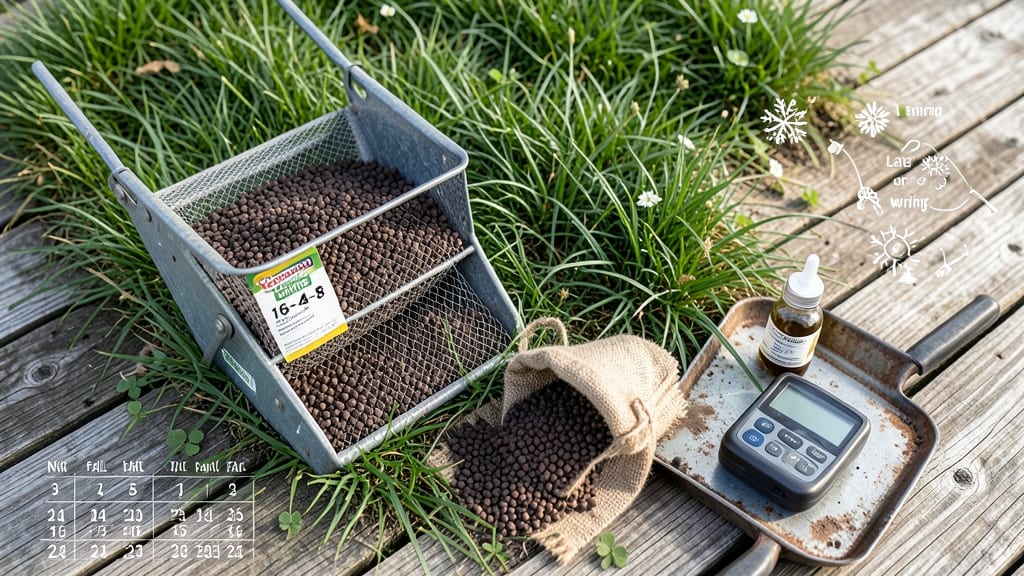
Fertilizing your lawn in Oregon at the right time can mean the difference between a lush, green carpet and a patchy, struggling yard — and the clock starts ticking in early spring.
Oregon’s diverse climate—from coastal fog to high-desert heat—means your lawn’s fertilization schedule should be as precise as a Pacific Northwest rain shower. Get it wrong, and you’ll waste money or harm your grass. Here’s the science-backed timing for Oregon’s microclimates, so your 🌱 thrives year-round.
Cool-season grasses like Kentucky bluegrass and fescue dominate Oregon lawns, so the best times to fertilize are early spring (March) and fall (September-October). But inland areas like Bend have different rules than the Willamette Valley or the coast, where moisture and temperature shift fertilization needs.
Below, I break down the exact months to feed your lawn, how Oregon’s microclimates change the game, and the 5 mistakes even experienced gardeners make—so you can skip the guesswork and keep your grass healthy all season.
Best fertilization schedule for Oregon lawns by season (spring & fall focus)
Oregon’s cool-season grasses like Kentucky bluegrass and fescue thrive with seasonal fertilization, but timing varies dramatically across regions. Coastal areas (e.g., Astoria) get milder winters, while high-desert zones (e.g., Bend) face early frosts.
Your goal? Feed grass when it’s actively growing—not during dormancy or heat stress. Let’s break it down by month, region, and fertilizer type to keep your lawn lush without burning it.
Start with a soil test (pH 6.0–7.0 ideal) before applying fertilizer. Oregon’s acidic soils often need lime amendments, especially in Willamette Valley areas. Use slow-release fertilizers (e.g., 24-0-8) in spring/fall to avoid nitrogen runoff during rainy seasons.
Quick-release options work in summer for warm-season grasses like Bermuda, but they’re rare in Oregon’s climate.
🌱 Comparison Table: Oregon Lawn Fertilization by Region & Season
| Region | Season | Best Fertilizer Type | Application Time | Key Notes |
|---|---|---|---|---|
| Coastal (Astoria, Cannon Beach) | Early Spring (March) | Slow-release (24-0-8) | After last frost | Mild winters delay dormancy; avoid fertilizing if soil is waterlogged. |
| Willamette Valley (Portland, Eugene) | Late Spring (May) | Organic (compost, manure) | Early morning, no rain for 24 hrs | High rainfall; use water-soluble fertilizers to prevent runoff. |
| High Desert (Bend, La Pine) | Fall (September) | Slow-release (30-0-4) | 6 weeks before first frost | Early frosts; focus on root strength for winter survival. |
| All Regions | Summer (June–August) | None (dormancy) | Skip fertilization | Cool-season grasses go dormant; fertilizing causes burn risk. |
In coastal Oregon, fertilize March and September to align with slower growth cycles. The Willamette Valley benefits from May and October feedings, while high-desert lawns need an early September boost to prepare for winter.
Always apply fertilizer in the early morning to avoid burning grass blades in afternoon heat or fungal growth from evening moisture.
For slow-release fertilizers, spread evenly with a broadcast spreader and water lightly afterward. Organic options like compost or manure take longer to break down but improve soil health over time.
Avoid quick-release fertilizers in rainy months—they wash away before grass can absorb nutrients. If you notice yellowing grass after fertilizing, flush the soil with water to prevent salt buildup.
Summer is not the time to fertilize cool-season grasses. Instead, focus on light watering (1 inch weekly) and mowing high (3–4 inches) to shade roots. Fall fertilization (September–October) is critical—it strengthens roots for winter and reduces weeds next spring.
In high-desert areas, apply fertilizer 6 weeks before first frost to ensure nutrients are absorbed before dormancy.
Test your soil every 2–3 years to adjust fertilizer ratios. Oregon’s acidic soils often need lime applications (target pH 6.0–7.0). If your lawn has bare patches, overseed in early fall with a high-nitrogen starter fertilizer (e.g., 20-5-10).
Avoid fertilizing newly seeded areas for at least 6 weeks to prevent seed burn.
Pro tip: Use a fertilizer with iron if your grass turns yellow between veins—this signals chlorosis, common in Oregon’s alkaline soils. For organic lawns, try fish emulsion or kelp meal in spring for a gentle nutrient boost.
Always follow label rates to avoid over-application, which harms grass and pollutes waterways.
Remember, Oregon’s microclimates create unique challenges. Coastal lawns may need less frequent feeding due to mild winters, while inland areas benefit from earlier
How Oregon’s microclimates change fertilizer timing (coastal vs. inland rules)
Oregon’s coastal fog in Astoria creates a completely different fertilization schedule than Bend’s high desert or Portland’s mild winters. These microclimates dictate when to apply fertilizer, how much, and even which type to use.
Coastal lawns need lighter feedings due to high humidity, while inland areas can handle heavier applications with proper watering adjustments.
In coastal Oregon, like the Astoria area, frequent rain and cool temperatures mean you should fertilize in late fall (October-November) and early spring (March-April). The damp climate increases fungal risks, so avoid nitrogen-heavy fertilizers in wet conditions.
Inland areas like Bend or La Grande experience colder winters and hotter summers, requiring fertilization in early spring (April) and late summer (August) to prevent stress during extreme temperatures.
Here’s how to adjust your fertilization timing based on Oregon’s three key microclimates:
🌱 Coastal Oregon (Astoria, Cannon Beach)
- ✔️ Fewer fungal risks in dry summer months
- ✔️ Soil stays moist year-round
- ✔️ Spring growth starts early (March)
- ✖️ High humidity increases disease risk
- ✖️ Fertilizer washes out in heavy rain
- ✖️ Avoid summer feeding (heat stress)
🌡️ Inland Oregon (Bend, La Grande, Redmond)
- ✔️ Drier summers reduce fungal risks
- ✔️ Soil warms faster in spring
- ✔️ Can fertilize in August for late growth
- ✖️ Cold snaps delay spring feeding
- ✖️ Summer drought requires careful watering
- ✖️ Over-fertilizing burns grass in heat
🌊 Willamette Valley (Portland, Eugene, Salem)
- ✔️ Mild winters allow year-round growth
- ✔️ Balanced rain reduces runoff risks
- ✔️ Ideal for slow-release fertilizers
- ✖️ Winter rain can leach nutrients
- ✖️ Summer heat requires extra watering
- ✖️ Fungal diseases thrive in humidity
For coastal lawns, I recommend using organic fertilizers like compost or fish emulsion in fall and early spring. These break down slowly and won’t leach away in heavy rains.
In inland areas, switch to slow-release synthetic fertilizers in April and August to prevent nutrient burnout during hot, dry spells. Willamette Valley lawns benefit from a balanced approach: apply half the recommended dose in March and October, then top-dress with compost in September to prepare for winter.
Always test your soil before fertilizing—Oregon’s microclimates create wildly different pH levels. Coastal soils often need lime adjustments, while inland areas may require sulfur to lower pH. A simple $20 soil test from your local extension office saves money and prevents over-fertilization.
Remember: less is more in Oregon’s unpredictable climate!
Pro tip: If you live in a transition zone (like Hood River or McMinnville), split the difference—fertilize in April and September with a low-nitrogen blend to avoid stress. And always water deeply after applying fertilizer to help roots absorb nutrients without burning the grass.
🌱