
Lawn
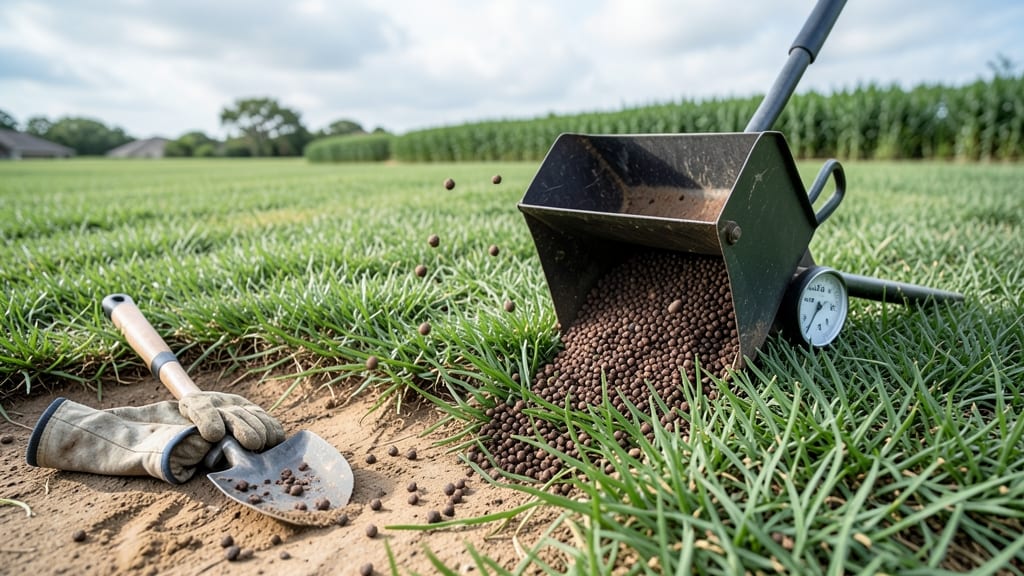
To fertilize lawn in South Florida at the best times means timing it with the spring and fall rains—not the summer heat or winter droughts.
Picture this: You’ve just spent $50 on fertilizer, spread it carefully, and two weeks later, your grass looks like it’s wilting faster than a snowball in July. That’s what happens when you don’t account for South Florida’s humid, unpredictable climate.
The key? Feed your lawn when it can actually use the nutrients—not when the heat or storms are fighting against you.
Most homeowners here make one of two mistakes: fertilizing too early in the year, which wastes nutrients before the grass can absorb them, or waiting until summer, when the heat just burns the fertilizer into the soil.
The sweet spot? Early spring and late fall, when temperatures are mild, and the grass is actively growing but not stressed.
In this guide, I’ll break down the exact months to fertilize for St. Augustine, Bahiagrass, and Centipede, plus how to adjust for hurricane season, soil types, and whether organic or synthetic is the better choice for your lawn’s survival.
No more guesswork—just a lush, resilient yard that thrives in South Florida’s chaos.
Optimal fertilization schedule for South Florida lawns by season
South Florida’s unique climate—with its humid summers, wet rainy seasons, and mild winters—demands a tailored fertilization plan. Unlike northern lawns, your grass doesn’t enter dormancy, so timing matters to avoid nutrient waste or fertilizer burn.
The key is aligning applications with rainfall patterns and grass growth cycles, especially for popular varieties like St. Augustine, Bahiagrass, and Centipede.
Most homeowners focus on three core windows: spring growth, summer maintenance, and fall root strengthening. However, South Florida’s hurricane season (June-November) and dry spells can disrupt this schedule.
For example, a heavy rain 48 hours after fertilization can wash away nutrients, while drought stress makes grass vulnerable to burn from over-fertilizing.
Here’s how to adjust your schedule based on grass type and seasonal triggers, including when to lightly feed versus skip entirely to protect your lawn’s health.
| Season | Grass Type | Best Months to Fertilize | Fertilizer Type | Notes |
|---|---|---|---|---|
| Spring | St. Augustine | March–April | Slow-release (16-4-8) | Encourages thick growth before summer heat. |
| Spring | Bahiagrass | February–March | Balanced (15-0-15) | Drought-tolerant; avoid over-fertilizing. |
| Summer | Centipede | June (light feed) | Low-nitrogen (10-0-10) | High heat risk; use early morning only. |
| Fall | All Types | September–October | Slow-release (16-4-8) | Strengthens roots for winter resilience. |
| Winter | All Types | Skip (Nov–Feb) | N/A | Avoid runoff; grass grows slowly. |
For St. Augustine grass, the spring feeding window (March–April) is critical—this is when your lawn recovers from winter stress and prepares for summer’s intensity. Use a slow-release fertilizer with a 16-4-8 NPK ratio to avoid rapid nutrient spikes that can cause burn.
Water deeply 2–3 days before and after application to help roots absorb nutrients without stress.
Bahiagrass, a drought-resistant favorite, thrives with less frequent feeding. Focus on February–March with a balanced fertilizer (15-0-15) to support its natural slow growth. Unlike St. Augustine, Bahiagrass doesn’t need summer fertilizing—overdoing it here can attract chinch bugs and other pests. Instead, spot-treat thin areas with a light nitrogen boost in June if needed.
If you have Centipede grass, summer fertilization is a delicate balance. This variety is heat-sensitive, so a light feed in June with a low-nitrogen formula (10-0-10) is safer than skipping entirely.
Always apply before 8 AM to prevent fertilizer burn from midday heat. Water lightly immediately after to help granules dissolve, but avoid overwatering—Centipede hates soggy roots.
The fall fertilization window (September–October) is non-negotiable for all South Florida lawns. This is when grass focuses on root growth to weather winter’s mild but unpredictable rains. Choose a slow-release fertilizer again, but reduce nitrogen slightly to 12-4-8 to encourage root depth over top growth.
Timing is key: apply 4–6 weeks before the first cool snap (though South Florida rarely sees frost, sudden drops below 60°F can stress grass).
Winter (November–February) is your lawn’s rest period. Skip fertilizing entirely—even organic options can leach into aquifers during South Florida’s heavy rains. Instead, focus on light mowing (set blades to 3–4 inches) and occasional watering if drought persists.
This is also the perfect time to aerate compacted soil and top-dress with compost to prep for spring.
Pro tip: Monitor your lawn’s color and growth rate to fine-tune timing. If grass turns yellowish-green in spring, it’s hungry—time to feed. If it’s dark green but slow-growing
Signs your South Florida lawn needs fertilizer (and when to skip it)
Your South Florida lawn may be silently screaming for nutrients—or it might just be resting. Yellow patches or slow growth often signal nutrient deficiencies, but they can also mean your grass is naturally slowing down during hurricane season or drought stress.
Learning the difference saves you time, money, and frustration.
Before grabbing that fertilizer bag, check for these key warning signs: pale green blades, thin grass, or weed invasion. These often mean your soil lacks nitrogen, phosphorus, or potassium.
However, if your lawn looks dormant but healthy during summer’s peak heat, it might just be conserving energy—no fertilizer needed!
When to Fertilize Your South Florida Lawn
✅ DO Fertilize When...
- Grass turns pale yellow or loses vibrancy
- Weeds (like crabgrass) dominate weak spots
- Soil pH is below 5.5 (test with a DIY kit)
- It’s spring (March-April) or fall (September-October)
- You’re using slow-release fertilizer (avoids burn)
❌ SKIP Fertilizing When...
- Hurricane season (June-November) is active
- Grass looks dormant but healthy (natural summer slowdown)
- Soil is waterlogged or dry as dust
- You’re using quick-release fertilizer in peak heat
- Your lawn has fungus or pests (fix that first!)
Testing your soil pH is the first step. Use a DIY test kit (under $10) or send a sample to a local lab for precise results. South Florida soil often leans acidic (pH < 5.5), which locks out nutrients. If your pH is off, lime or sulfur can adjust it before fertilizing.
Never fertilize during hurricane season (June-November). Storms wash away nutrients, wasting your money and harming local waterways. Instead, wait for dry, calm days in spring or fall—the ideal windows for feeding your lawn.
Reading fertilizer labels is crucial. Look for slow-release options (like 16-4-8 NPK) to avoid fertilizer burn. Quick-release fertilizers can scorch grass in South Florida’s heat, turning your lawn into a crispy brown mess. Always water deeply after applying to help nutrients absorb.
If your lawn is thinning but green, it might need iron supplements instead of full fertilizer. Weed-heavy areas often signal nitrogen deficiency, while purple-tinged grass craves phosphorus. Target-feed problem spots with the right nutrients for faster recovery.
Remember: Patience is key. Over-fertilizing causes more harm than good. Follow the 3-1-1 rule: 3 times a year (spring, summer, fall), 1 pound per 100 sqft, and always water after. Your South Florida lawn will thank you with deep green resilience all year. 🌿