
Lawn
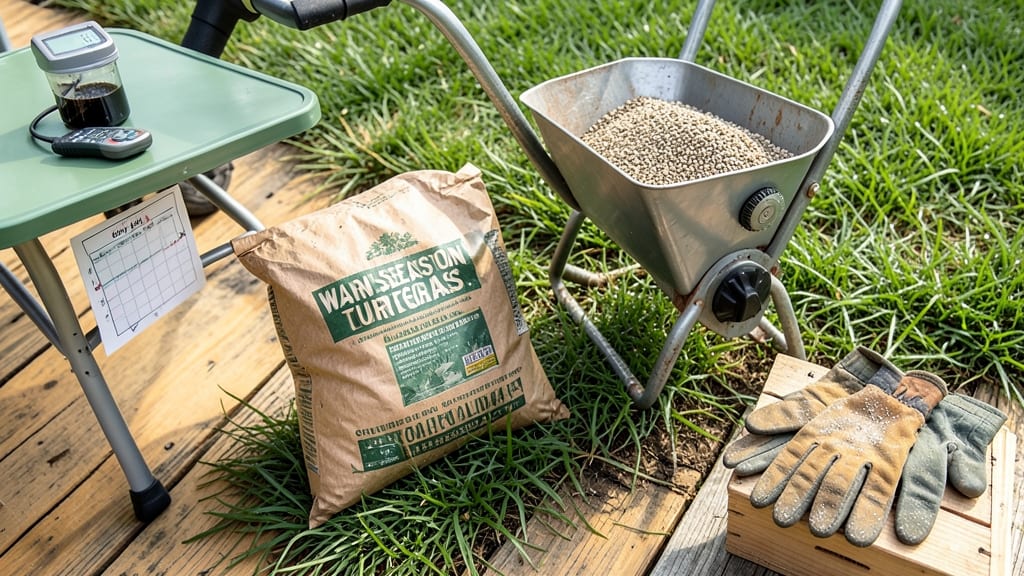
Fertilizing your Southern California lawn at the right time is the difference between a lush, green carpet and a patchy, struggling yard.
Southern California’s unique microclimates mean your lawn’s fertilization schedule can’t follow a one-size-fits-all approach—or your grass will suffer from missed opportunities or overfeeding.
Coastal areas like San Diego thrive with fall and spring feeds, while inland zones need adjustments for summer heat. I’ll break down the best months to fertilize, how to spot when your lawn is hungry, and which fertilizers work best for your grass type.
By the end, you’ll know exactly when to feed your 🌱 for a lawn that stays vibrant year-round, no guesswork required.
Southern California fertilization timeline by climate zone (coastal vs inland)
Southern California’s microclimates create two distinct lawn-care worlds: coastal areas with mild winters and cool summers, versus inland zones facing hotter summers and warmer winters. These differences mean your Bermuda grass in Palm Springs needs a different schedule than your St. Augustine in Santa Barbara.
Ignoring these zones risks overfeeding in winter or burning grass during heatwaves.
Coastal regions (like Malibu or San Diego) can fertilize year-round with adjustments, while inland areas (such as Riverside or Lancaster) must time feeds to avoid summer dormancy.
The key? Pre-emergent herbicides in early spring and post-emergent feeds every 6-8 weeks, but the exact timing shifts based on your zone’s rainfall patterns and temperature swings.