
Fertilization
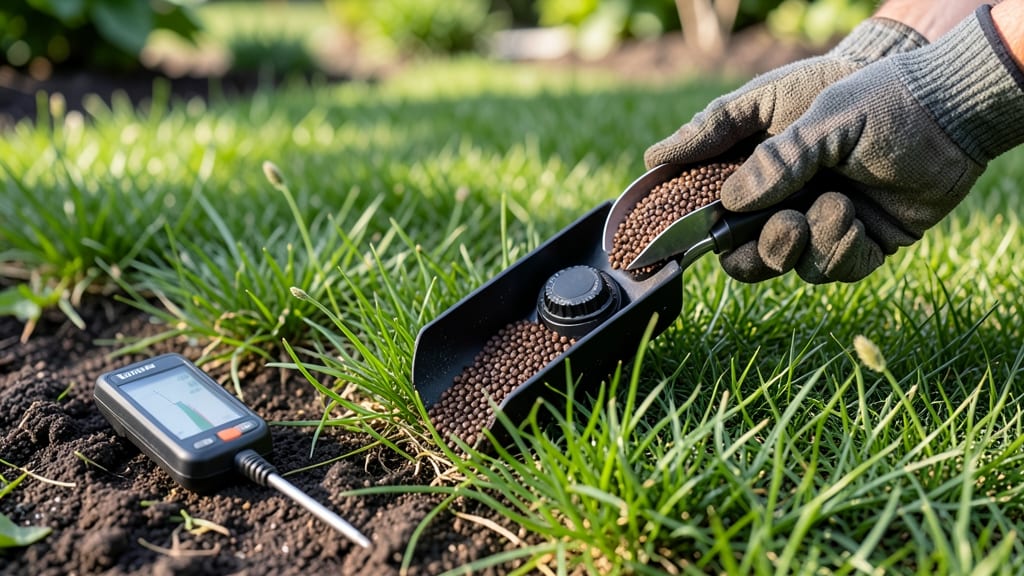
Fertilizing your lawn in summer is a delicate balance—too early wastes nutrients, and too late risks scorching your grass 🌱 in the heat.
Summer heat can turn your lawn fertilization routine into a risky gamble—apply too early, and you waste nutrients; too late, and you stress your grass. Timing is everything for a lush, resilient yard without scorching your grass.
Most homeowners think summer means no fertilization, but the truth is more nuanced. Cool-season grasses (like Kentucky bluegrass) need a light touch in early summer, while warm-season types (like Bermuda) thrive with late-summer feeding. The key? Avoid peak heat—think early morning or late evening applications.
In this guide, I’ll break down the best times to fertilize by grass type, how to spot nutrient needs vs. heat stress, and which fertilizers play nice in summer’s swelter. No guesswork—just stronger roots and a greener lawn by fall.
Best summer fertilization times for cool-season vs warm-season grasses
Summer fertilization is a delicate balance—apply it too early, and your grass may burn under the sun; too late, and you miss the growing window.
The key difference lies in your grass type: cool-season grasses (like Kentucky bluegrass and fescue) and warm-season grasses (like Bermuda and Zoysia) have opposite needs during summer's peak heat. Understanding these distinctions ensures your lawn stays green without stress.
Cool-season grasses thrive in cooler temperatures (60–75°F) and enter dormancy as summer heats up, making early summer fertilization risky. Warm-season grasses, however, peak in summer heat (80–95°F) and need nutrients to sustain their growth.
The timing for each type couldn’t be more different, and getting it wrong can lead to nutrient burn or weakened roots. Let’s break down the best windows for each.
🌱 Comparison Table: Summer Fertilization for Cool-Season vs Warm-Season Grasses
| Grass Type | Ideal Fertilization Window | Temperature Range | Fertilizer Type | Best Time of Day |
|---|---|---|---|---|
| Cool-Season (Kentucky Bluegrass, Fescue) | Late May–early June or late August | 60–75°F (avoid above 80°F) | Slow-release, low-nitrogen (10-0-10) | Early morning (5–8 AM) |
| Warm-Season (Bermuda, Zoysia) | June–July (peak growth) or early August | 80–95°F (ideal for growth) | Balanced, high-potassium (16-4-8) | Late afternoon (4–6 PM) |
For cool-season grasses, the goal in summer is to minimize stress. Fertilizing in late May or early June, when temperatures are still mild, gives your grass a gentle nutrient boost before dormancy sets in.
If you wait until late August, you’re preparing the lawn for a strong fall recovery. Always use a slow-release fertilizer to prevent nutrient burn during heat spikes.
Warm-season grasses, on the other hand, crave summer fertilization. Their growing season aligns perfectly with summer’s heat, so feeding them in June or July supports thick, resilient growth. A high-potassium fertilizer (like 16-4-8) helps them recover from heat stress and stay drought-resistant.
Apply it in the late afternoon to avoid rapid evaporation and give roots time to absorb nutrients before nightfall.
Transition months like May and August are critical for both types. Cool-season grasses need a light feeding in May to extend their active growth, while warm-season grasses benefit from a heavier feed in August to prepare for fall.
Skipping these windows can leave your lawn thin and vulnerable to weeds or disease. Think of it as a bridge between seasons—don’t let it become a gap in care.
One common mistake is fertilizing during extreme heat (above 90°F). Even warm-season grasses can’t handle it, leading to yellowing or browning.
If your area is experiencing a heatwave, delay fertilization until temperatures drop below 85°F. Pair any summer feeding with deep watering (1–1.5 inches) to help roots absorb nutrients efficiently. Overwatering is just as bad—aim for consistent moisture, not soggy soil.
Pro tip: Mow high (3–4 inches) before fertilizing to reduce stress on the grass. Taller blades shade the soil, retaining moisture and protecting roots from heat. Pair this with a sharp mower blade to avoid tearing the grass, which opens it up to pests and disease.
Your lawn will thank you with deeper roots and better heat resilience.
If your lawn shows signs of nutrient deficiency (pale green or yellow patches), it’s often better to wait and water deeply first. Stress from heat or drought can mimic deficiency symptoms.
Once the grass recovers, then consider a light fertilizer application. Always test your soil before fertilizing—overdoing it can harm more than help, especially in summer’s intense conditions.
Remember, summer fertilization isn’t just about when you apply it—it’s about how you prepare your lawn. Aerate before feeding to improve root access to nutrients, and always follow up with water. With the right timing and care, your grass will stay lush, green, and resilient all season long. 🌿
Signs your lawn needs fertilizer in summer (and when to avoid it)
Summer can be a tricky time for lawn care. Your grass might look stressed from heat, but is it actually nutrient-deficient or just struggling with heat stress? Learning to spot the difference is key to deciding whether to fertilize—or wait.
I’ve seen many lawns suffer from well-intentioned but poorly timed fertilization that does more harm than good.
One of the first signs your lawn needs fertilizer is uneven yellowing that doesn’t fade after watering. This often appears as pale green or straw-colored patches, especially in high-traffic areas. Unlike heat stress, which affects the entire lawn uniformly, nutrient deficiencies target specific spots where grass is weakest.
If you notice slow recovery after mowing or foot traffic, that’s another clue your grass is starving for nutrients.
⚠️ callout-warning ⚠️
Fertilizing during extreme heat (above 90°F/32°C) or drought can burn roots and stress your grass further. Look for these red flags before applying fertilizer:
- Wilted blades that stay down even after watering
- Footprint marks taking days to recover
- Soil cracks or dry, crumbly texture
If your lawn shows these signs, skip fertilization and focus on deep watering (1 inch per week) and light mowing instead.
Another key indicator is slow growth despite ideal conditions. If your lawn hasn’t filled in bare spots after 4-6 weeks of regular care, it’s likely nutrient-deficient. Compare your grass to healthy neighbors’ lawns—if yours looks thinner or patchy, it’s time to test your soil.
A simple DIY soil test kit (available at garden centers) can reveal if your lawn is lacking nitrogen, phosphorus, or potassium.
However, don’t confuse heat stress with nutrient needs. Grass often turns blue-gray or dull in summer due to heat, but it usually recovers with proper watering. To test, water a small patch deeply for a week.
If the color improves, it’s heat stress. If not, fertilization may be needed—but only after soil moisture is restored.
Timing matters too. If you must fertilize in summer, do it early in the season (late May to early June) when temperatures are moderate. Avoid fertilizing in July or August, when heat and drought peak.
For warm-season grasses like Bermuda or Zoysia, a light application of slow-release fertilizer can help, but cool-season grasses like fescue or bluegrass should get minimal summer feeding.
Pro tip: If you’re unsure, split your fertilizer into two smaller applications with a 4-week gap. This reduces the risk of nutrient burn while keeping your lawn fed.
Always water thoroughly after applying fertilizer to help roots absorb nutrients safely. Your lawn will thank you with deeper roots and better heat resilience next summer.