
Lawn
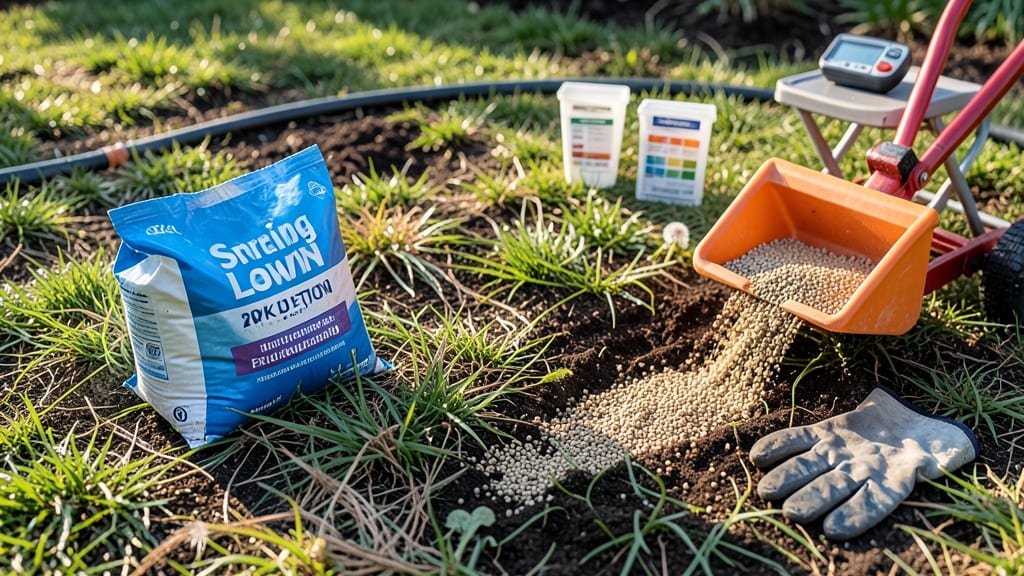
Fertilizing your lawn in spring at the right time is the key to a lush, green carpet 🌱—but wait too long, and you’ll miss the growth window entirely.
Spring is the golden window for lawn fertilization—but timing it wrong can waste money, harm grass, or even invite pests. Get the exact schedule, climate-based adjustments, and pro tips to ensure your lawn thrives all season.
In USDA Zone 6a, where most homeowners live, the best time to fertilize is after the last frost but before April 15, when your grass reaches 3-4 inches tall. This ensures nutrients fuel new growth without burning tender blades.
Below, I’ll break down the ideal timing by grass type, regional tweaks, and the 5 signs your lawn is ready—plus the mistakes that stall growth and how to fix them.

Optimal spring fertilization timeline by grass type and climate zone
Timing your spring lawn fertilization correctly ensures lush growth, but the best time depends on your grass type and USDA climate zone. Cool-season grasses like Kentucky bluegrass and fescue wake up early, while warm-season types like Bermuda or Zoysia need warmer soil.
Here’s how to align fertilization with your region and grass type for peak results.
Northern regions (USDA Zones 3-6) should fertilize cool-season grasses in early spring when soil temps hit 50°F (10°C). Southern zones (USDA Zones 7-10) delay until warm-season grasses green up, typically late spring when soil reaches 65°F (18°C).
Skipping this step can leave your lawn weak and prone to weeds.
🌱
For cool-season grasses in USDA Zones 3-6, apply your first spring fertilizer in early April—right after the 3rd mowing of the season. This timing aligns with rapid root growth when soil temps stabilize above 50°F (10°C).
Use a high-nitrogen fertilizer (like 24-0-5) to jumpstart recovery from winter dormancy.
In Southern zones (7-10), wait until late March for cool-season grasses, as milder winters mean earlier green-up. For warm-season grasses, delay fertilization until May-June when soil hits 65°F (18°C). A balanced fertilizer (like 10-10-10) works best here to support heat tolerance.
🌡️
Pro tip: Use a soil thermometer to monitor temps—cool-season grasses need 50-60°F (10-15°C), while warm-season types thrive at 70-80°F (21-27°C). Fertilizing too early can burn tender new growth, while waiting too long lets weeds steal nutrients.
For new lawns, wait until the grass reaches 3-4 inches tall before fertilizing.
In transition zones (6-7), like Oklahoma City or Virginia, blend both approaches. Start with a light feeding in March for cool-season grasses, then switch to warm-season schedules by May. This hybrid approach prevents shock to your lawn as temperatures rise.
💡
After fertilizing, water deeply (1 inch) to activate nutrients. Early morning application prevents fertilizer burn from afternoon heat. For organic options, try composted manure or fish emulsion in early spring—these release nutrients slowly, reducing runoff risks.
Finally, avoid fertilizing if frost is forecasted within 48 hours. Nutrients won’t absorb properly, and cold can damage grass blades. Adjust your schedule by 2-4 weeks if your spring arrives early or late—trust
5 Critical signs your lawn needs fertilizer (and when to act)
Spring is the perfect time to assess your lawn's health, but knowing when to fertilize can be tricky. If your grass looks tired or weak, it might be signaling nutrient deficiencies that fertilization can fix.
Don't wait until problems worsen—act early to give your lawn the boost it needs before summer heat sets in.
I've seen many lawns suffer from overlooked signs like patchy growth or excessive weeds, which often mean the grass is starving for essential nutrients. The key is spotting these warning signs early and responding with the right fertilizer type and timing.
Let's break down the top indicators that your lawn is ready for a nutrient boost.
-
1. Pale or Yellowing Grass
If your lawn loses its deep green color, it's likely nitrogen-deficient. Test a small patch—if it feels soft or spongy, fertilization is urgent. -
2. Slow or Patchy Growth
Thin spots or slow recovery after winter mean your grass isn't getting enough nutrients. Fertilize when grass reaches 3-4 inches tall for best results. -
3. Increased Weed Presence
Weeds thrive in nutrient-poor soil. If you see more dandelions or clover, your lawn is competing with invaders for resources—time to feed it. -
4. Soil Compaction
Walk on your lawn—if it feels hard or springs back slowly, compacted soil blocks root growth. Aerate first, then fertilize for deeper nutrient absorption. -
5. Early Spring Awakening
If your grass greens up in late February or March, it's ready for its first feeding. Cool-season grasses like fescue or bluegrass respond best to early spring fertilization.
Don't ignore soil temperature—wait until the ground warms to at least 55°F before fertilizing. Cold soil can lock nutrients out of reach, making your efforts useless. I always test my soil's temperature with a simple thermometer before applying fertilizer.
For warm-season grasses like Bermuda or Zoysia, hold off until late spring or early summer when soil temps hit 65°F+. These grasses grow slower in cool weather, so early feeding can stress them. Always match your fertilizer choice to your grass type for the best results.
If you notice brown tips or crispy patches after fertilizing, you've likely overdone it. This is a sign of nitrogen burnout, which happens when too much fertilizer is applied too soon. Switch to a slow-release formula and water deeply to flush excess nutrients from the soil.
Now that you know the signs, act fast! Fertilize in the early morning when temperatures are cooler, and always water afterward to help nutrients penetrate the soil. Your lawn will thank you with lush, vibrant growth all season long. 🌱