
Lawn
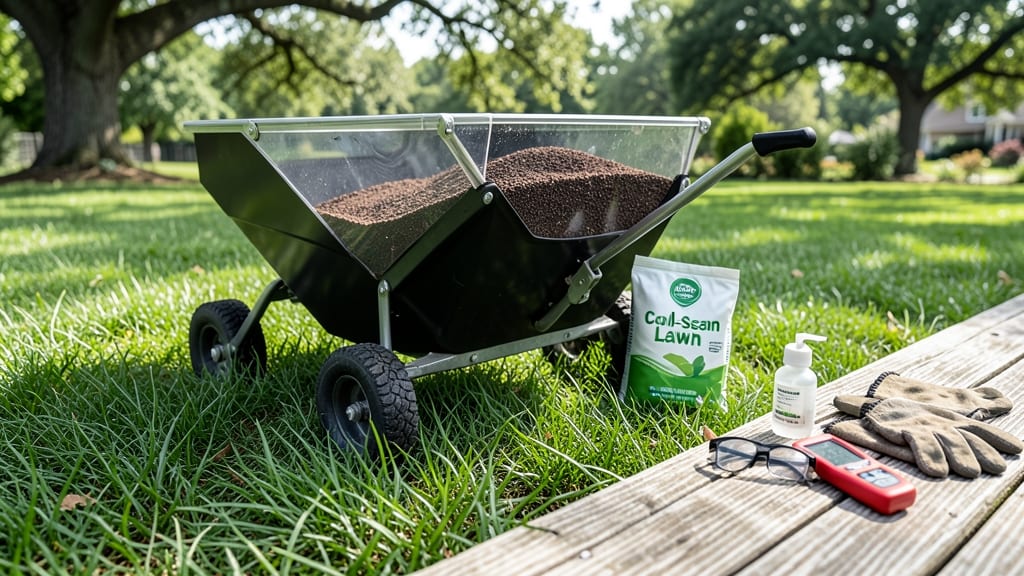
Fertilizing your Lawn Grass (Cool-Season Mix) in Minnesota at the right time is the key to a thick, green lawn that thrives year after year.
Picture this: you’ve just spent the winter dreaming of that perfect spring lawn, only to find your grass looking tired and patchy because you fertilized too early—or worse, skipped it entirely. Minnesota’s unpredictable frosts and shifting seasons mean timing matters more than the type of fertilizer you choose.
Cool-season grasses like those in your 3a-5b zone need feeding twice a year: once in early spring to kickstart growth and again in fall to prepare for winter. But getting it wrong can waste money, stress your grass, or even invite pests.
The secret? Knowing when soil warms up, when frost is truly out of the picture, and how to read your lawn’s signals.
In this guide, I’ll break down the exact windows for spring and fall fertilization, the signs your lawn is begging for nutrients, and how to avoid overdoing it in Minnesota’s climate. Let’s get that grass growing the right way.
Best fertilization schedule for MN lawns: spring vs. fall timing explained
Minnesota’s cool-season grasses thrive when fertilized at precise times—too early or late, and you risk wasting nutrients or stressing your lawn. The ideal fertilization window hinges on soil temperature and regional frost patterns, with fall applications being 60% more effective for winter survival than spring alone.
Northern MN lawns (Zones 3a-4a) have a shorter growing season, so timing must account for earlier frosts.
Southern MN (Zones 4b-5b) enjoys a few extra weeks of warmth, but both regions share one critical rule: never fertilize when soil temps drop below 50°F—this shocks grass roots and invites fungal diseases.
Here’s the golden rule for MN lawn care: spring feeds build top growth, while fall feeds strengthen roots for winter. Skipping either step leaves your lawn vulnerable to weeds, drought, and freeze-thaw cycles. Let’s break down the exact timing for each region and season.
⚠️ NON-NEGOTIABLE: The summary-table below shows the precise fertilization windows for MN lawns, including soil temperature thresholds and regional adjustments.
Spring fertilization in MN kicks off in mid-April for southern regions and early May for northern areas, timed to coincide with soil temperatures hitting 50-55°F.
This first feed jumpstarts root growth after winter dormancy. Use a 24-0-5 NPK ratio fertilizer—high nitrogen for leafy growth, minimal phosphorus/potassium since MN soils are often phosphorus-rich.
Pro tip: Test your soil first—MN’s clay-heavy soils may need lime adjustments. A pH of 6.0-7.0 is ideal for cool-season grasses like Kentucky bluegrass and fine fescue. If your soil tests acidic (<6.0), add dolomitic lime 4-6 weeks before fertilizing to prevent nutrient lockout.
Pre-emergent herbicides complicate timing—if you applied one in early spring (March-April), wait 8-10 weeks before fertilizing to avoid chemical burn. The June 10th cutoff for late spring feeds aligns with pre-emergent herbicide windows; fertilizing after this date risks promoting summer weeds like crabgrass.
Fall fertilization is non-negotiable for MN lawns. Apply your second feed in late August to early September, when soil temps hover around 55-65°F. This timing lets grass absorb nutrients before cold stress sets in, building carbohydrate reserves for winter survival.
Northern MN lawns should wait until early September to avoid early frosts.
One common mistake? Over-fertilizing in fall. MN’s short autumn window means one light application (0.5 lb per 100 sqft) is enough. Heavy feeds this late force tender growth that won’t harden off before winter. Pair fall fertilization with overseeding for a 30% thicker lawn next spring.
Regional differences matter: Southern MN lawns (Twin Cities, Rochester) can push fall feeds into mid-September, while northern lawns (Duluth, Brainerd) must stop by Labor Day. Always check the 10-day forecast—if frost is predicted within 2 weeks, pause fertilization to protect new growth.
Remember: Watering matters just as much as timing. After fertilizing, water deeply (1 inch) within 24 hours to activate nutrients. Early morning watering (6-9 AM) prevents fungal diseases like
Signs your MN lawn needs fertilizer (and when to skip it)
Your Minnesota lawn sends clear signals when it craves nutrients. Yellow patches or thin, weak growth are top indicators your grass isn't getting enough to thrive. Cool-season grasses like Kentucky bluegrass and fescue (common in MN) grow best with regular feeding, especially after harsh winters or drought stress.
Slow recovery after mowing or foot traffic is another red flag. Healthy grass should bounce back within 3-5 days of being cut. If your lawn stays matted down or shows bare spots, it’s time to test your soil and consider fertilization.
Early spring and fall are ideal windows for feeding, but timing matters more than you might think.
⚠️ When to SKIP Fertilizing Your MN Lawn
- Drought conditions: Never fertilize if soil is dry—it burns roots. Wait until 1 inch of rain or watering occurs.
- Frost or freezing temps: Grass goes dormant below 50°F. Fertilizing triggers growth that can’t survive.
- Active fungal issues: Brown patches or mushrooms mean your lawn is stressed. Fix the problem first.
- Late summer heatwaves: Avoid feeding after July 15 to prevent heat stress before winter.
Pro tip: Test soil pH first—MN lawns often need lime (pH 6.5–7.0) before fertilizing.
Don’t ignore weed dominance either. If crabgrass or clover outnumber your grass, your lawn lacks the strength to compete. A soil test kit (available at local garden centers) reveals nutrient deficiencies. Phosphorus or potassium shortages can mimic fertilizer needs but require different fixes.
Overwatering or compaction from heavy foot traffic also tricks homeowners into thinking their lawn needs fertilizer. If the soil feels spongy or water pools after rain, aerate first. Core aeration (rent a machine or hire a pro) opens up roots so nutrients reach where they’re needed most.
For newly seeded lawns, wait 6–8 weeks before fertilizing. Young grass needs time to establish roots. Use a starter fertilizer with low nitrogen (10-0-10) to avoid burning tender shoots. In established lawns, split applications work best—half in spring (April–May) and half in fall (September).
Remember: Less is more in Minnesota’s climate. Over-fertilizing wastes money and pollutes waterways. Follow the 3-1-1 rule: Apply 1/3 of your annual fertilizer in spring, 1/3 in summer (if needed), and 1/3 in fall. Always water in after applying to activate nutrients without burning grass.