
Fertilization
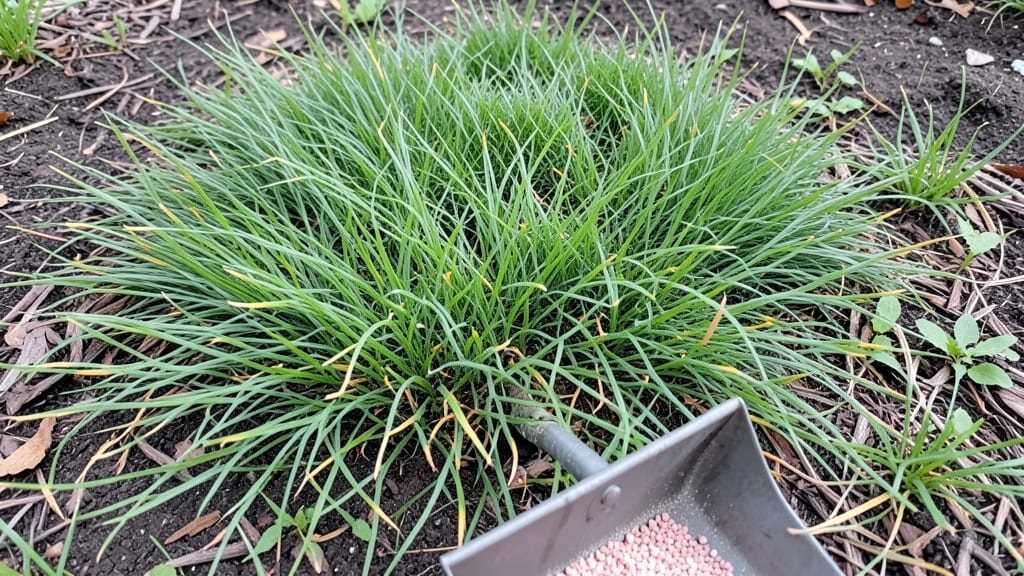
To fertilize rye grass, aim for early fall and late winter when it's most actively growing. These timing windows align with its cool-season growth cycle, while soil tests showing low phosphorus or nitrogen levels can prompt additional feedings to maintain lush, resilient turf.
Rye grass thrives when fertilized during its natural growth surges, typically between 50–65°F temperatures. 🌱 The early fall application boosts root development before winter, while late winter feedings prepare it for spring's rapid tillering.
Think of it like giving your lawn a pre-winter energy boost and a springtime head start—both critical for dense, healthy coverage. Over-fertilizing in summer can stress the grass, so timing matters just as much as the type of fertilizer you choose.
Most gardeners find that a slow-release fertilizer works best for rye grass, especially in established lawns, while overseeding projects benefit from a lighter, quick-release option to encourage quick germination.
The key is matching the fertilizer's release rate to your grass's growth phase—fast nutrients for new seedlings, steady nourishment for mature turf.
💡 In This Article
- Rye Grass Growth Cycles and Fertilizer Timing
- Soil Testing and Fertilizer Type for Rye Grass
Rye grass growth cycles and fertilizer timing
Rye grass is a cool-season grass, meaning it thrives in temperatures between 50–65°F—this is why fertilization timing is so critical. During early fall, as temperatures drop but remain above freezing, rye grass enters its most active growth phase before winter dormancy.
This period, often called the "fall transition," is when roots deepen by up to 6 inches to store nutrients for winter survival. The fertilizer applied now converts to energy reserves, making the grass more resilient against cold snaps and snow mold diseases.
Late winter fertilization, typically in February or March, aligns with the grass's natural tillering phase—when it produces new shoots to thicken the lawn. At this stage, nitrogen absorption peaks because the grass is breaking dormancy and preparing for spring's rapid growth.
The key temperature trigger here is when soil temperatures consistently stay above 40°F for at least 7 days, signaling it's safe to apply fertilizer without risking winter burn. This timing also helps prevent summer stress, as the grass builds a stronger root system to handle heat and drought.
What most people don't realize is how growth stages impact nutrient needs. In early fall, phosphorus becomes especially important—it stimulates root branching, which is crucial for winter hardiness.
A soil test showing phosphorus levels below 20 ppm (parts per million) often means your rye grass will struggle to establish deep roots. Meanwhile, late winter feedings should prioritize nitrogen (look for a 24-0-8 ratio) to fuel the tillering process, where each plant can produce 5–10 new shoots per clump.
Seasonal dormancy is another critical factor. Rye grass goes dormant when temperatures drop below 35°F, but its roots remain active until soil temps hit 20°F.
Fertilizing too late in fall (after November 15 in most climates) can lead to nutrient runoff because the grass isn't actively growing to absorb it.
Similarly, applying fertilizer too early in spring (before March 15) risks burning tender new growth, as the grass hasn't yet developed the enzymes needed to process nitrogen efficiently.
Consider this real-world example: In Zone 5 climates, where winters are harsh, early fall fertilization (mid-September) combined with late winter feeding (early March) can increase rye grass density by 30–40% compared to a single spring application.
The secret lies in matching the fertilizer's release rate to the grass's growth cycle—slow-release in fall for steady root nourishment, quick-release in late winter for rapid tillering.
For container-grown rye grass or small patches, you might also notice how temperature fluctuations affect growth. In microclimates (like sunny south-facing slopes), the grass may break dormancy 2–3 weeks earlier than surrounding areas, requiring adjusted fertilization timing.
Always check soil temps with a simple soil thermometer—it's the most reliable way to determine when your lawn is ready for nutrients. 🌱