
Pruning
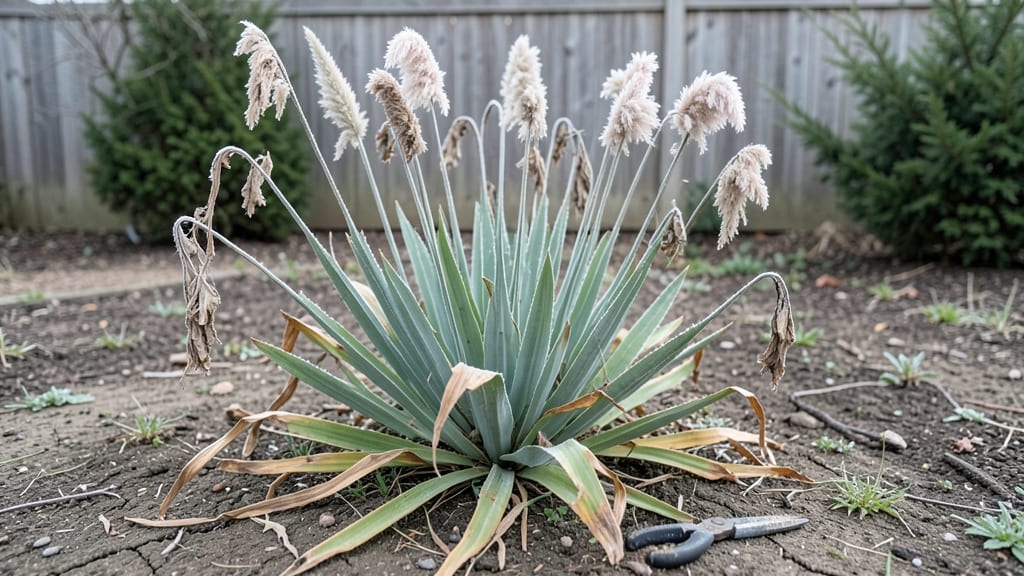
To trim back pampas grass, target late winter to early spring (February–March) before new shoots emerge, or prune after flowering in late fall (November) to control shape and reduce seed spread. Never cut dormant stems in winter or flowering stalks mid-season.
Timing matters because pampas grass grows in distinct cycles—dormancy, budding, and seed production. 🌱 Cutting too early disrupts fresh growth, while trimming mid-season risks damaging flowering stalks that feed the plant’s energy.
In warmer climates, you might shift pruning to late winter or early spring, but always wait until new shoots appear. The key is balancing aesthetics with the plant’s health, so I recommend marking your calendar based on your region’s last frost date.
For example, in Zone 7, I prune in late February to avoid cold snaps, while in Zone 9, March works better. The goal is to remove up to one-third of the plant’s height while leaving enough foliage to photosynthesize.
After trimming, I fertilize lightly to support regrowth—this step often gets overlooked but makes a huge difference in how quickly the plant recovers.
💡 In This Article
- Pampas Grass Growth Cycles and Pruning Timing
- Step-by-Step Guide to Pruning Pampas Grass Safely
Pampas grass growth cycles and pruning timing
Pampas grass (Cortaderia selloana) follows a predictable seasonal rhythm that directly influences when you should trim it. The plant enters dormancy in late fall, typically around October-November, when temperatures drop below 50°F and daylight shortens.
During this phase, the plant conserves energy, making it highly vulnerable to stress from pruning. What most people don't realize is that the flowering stalks—those dramatic, feathery plumes—actually store nutrients that fuel next year's growth. Removing them prematurely starves the plant, leading to sparse regrowth or even dieback.
The critical window for pruning opens when the plant breaks dormancy in late winter to early spring (February-March), just as new shoots emerge from the base. This timing ensures you're cutting back old growth while preserving the energy reserves in the roots.
In warmer climates like Zone 9-10, dormancy may be minimal, so pruning can shift to March-April when growth is visibly active. The key visual cue is the appearance of 1-2 inch green shoots at the plant's base—this signals it's safe to trim. 🌿
Here's what's actually happening biologically: Pampas grass relies on its extensive root system to store carbohydrates during dormancy. When you prune at the wrong time, you're essentially cutting into these reserves. The plant's response to stress includes diverting energy to repair damaged tissues rather than producing new growth.
This is why over-trimming in winter can leave your plant looking ragged for months. In contrast, spring pruning coincides with the plant's natural regrowth cycle, allowing it to allocate energy toward new foliage and flowering stalks.
Climate plays a huge role in adjusting your timing. In colder regions (Zone 5-7), where winters can drop below 20°F, pruning should wait until after the last frost date to avoid cold damage to fresh cuts.
For example, in Zone 6, I've found that waiting until mid-March gives the plant enough time to recover before summer heat arrives. Meanwhile, in Zone 8, the growing season starts earlier, so late February pruning works perfectly.
The rule of thumb is to aim for 4-6 weeks before your area's average last frost date, giving the plant time to establish new growth before potential late-season cold snaps.
Another important consideration is the plant's flowering cycle, which typically occurs in late summer to early fall (August-September). While many gardeners love these plumes for their ornamental value, they also produce thousands of tiny seeds that can become invasive.
This is why a second pruning opportunity exists in late fall (November), after the seed heads have fully matured but before winter dormancy sets in. Cutting at this stage serves a dual purpose: maintaining your plant's shape and preventing unwanted spread.
The trade-off is that you'll sacrifice the current year's plumes, but the plant will reward you with healthier growth next season.
What most gardeners overlook is how pruning height affects the plant's recovery. Aim to reduce the plant's height by no more than one-third during each pruning session. This 1/3 reduction rule maintains the plant's energy balance while encouraging bushier growth.
For mature pampas grass that reaches 8-10 feet, this means cutting back to about 5-6 feet in spring. The visual result is a more compact, manageable plant that still makes a dramatic statement in the landscape. 💫