
Pests
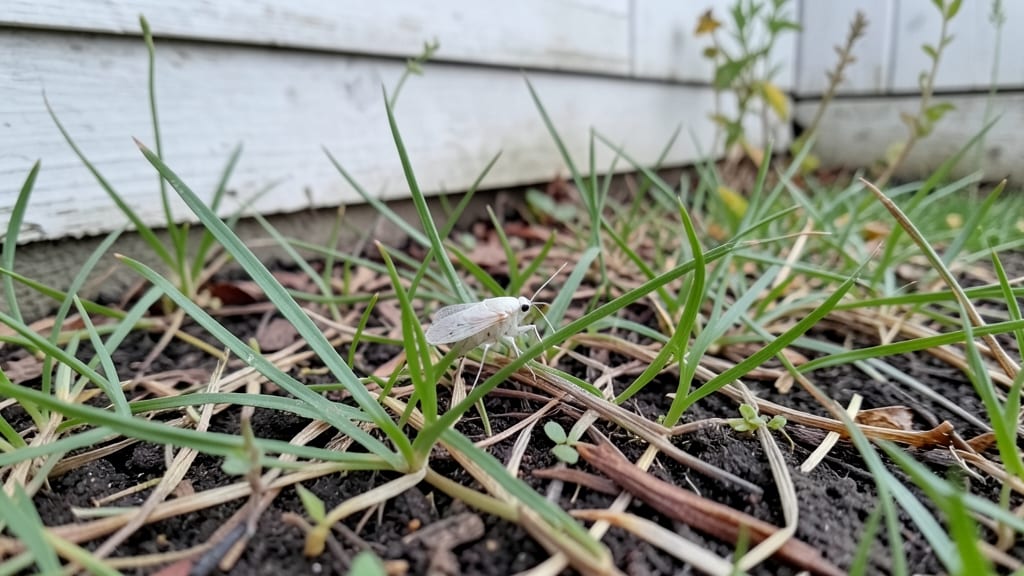
White flies in grass aren’t just annoying—they turn your lawn into a sticky, yellowing mess if you ignore them. 🌱 I’ve wrestled with these tiny white pests in my own yard, and I’ll show you how to kick them out for good without harsh chemicals that harm your grass or the environment.
The problem starts when these sap-sucking insects cluster on grass blades, leaving behind a sticky residue called honeydew that smothers your lawn. They thrive in warm, humid conditions, and once they take hold, they multiply fast—often confusing them with fungus gnats or aphids.
The good news? Natural solutions work just as well as chemicals if you act quickly.
By the end of this guide, you’ll know how to spot them early, disrupt their life cycle with simple household sprays, and keep them from coming back. Your lawn will bounce back greener than ever, and you’ll skip the chemical cleanup routine. Let’s get your grass back to its best.
This works for both small patches and full yards, whether you’re dealing with a new infestation or trying to prevent one before it starts. No fancy tools needed—just a few targeted steps and a little patience. Ready to reclaim your lawn?
Why it happens
Whiteflies in grass aren’t just a random nuisance—they’re drawn to specific conditions that turn your lawn into an all-you-can-eat buffet. 🌱🐛 Understanding these triggers is half the battle in keeping them at bay. Let’s break down the science behind why these tiny pests show up and thrive in your grass.
🌡️ Warm, Humid Climates Create the Perfect Breeding Ground
Whiteflies are tropical and subtropical pests at heart. They cannot survive freezing temperatures—their eggs die below 50°F (10°C)—but they love warm, humid conditions. Here’s why:
- Temperature sweet spot: Whiteflies thrive in temperatures between 75–90°F (24–32°C). If your region has long, hot summers, your grass becomes their ideal breeding ground.
- Humidity boosts reproduction: High humidity (above 60%) keeps their eggs and larvae from drying out. In dry climates, they may still appear but in smaller numbers.
- Sunlight exposure: They prefer shaded or partially shaded grass (like under trees or near structures) because it retains moisture longer, mimicking their natural rainforest habitats.
Actionable insight: If you live in a warm, humid zone, monitor your lawn daily during peak summer months. Early detection = fewer pests.
🌱 Weak or Stressed Grass Attracts More Pests
Whiteflies don’t randomly pick grass—they target weak, nutrient-deficient, or damaged turf. Here’s how stress makes your lawn a magnet:
| Stress Factor | Why It Helps Whiteflies |
|---|---|
| Overwatering or poor drainage | Soggy soil creates fungal growth (like Fusarium), which whiteflies feed on alongside plant sap. |
| Nutrient deficiency (especially nitrogen) | Malnourished grass has thinner cell walls, making it easier for whiteflies to pierce and suck sap. |
| Compacted soil | Restricts root growth, weakening grass and making it more susceptible to pest attacks. |
| Recent herbicide or pesticide use | Chemicals can kill beneficial predators (like ladybugs or lacewings) that naturally control whitefly populations. |
Pro tip: Conduct a soil test every spring to check pH and nutrient levels. Aim for a pH of 6.0–7.0 and balanced NPK (nitrogen, phosphorus, potassium) ratios to fortify your grass.
🌿 Overgrown or Unkempt Lawns Hide Infestations
Whiteflies don’t just land on grass—they hitchhike on wind, water, or even your shoes from nearby infested plants. Here’s how clutter helps them spread:
- Thatch buildup: A thatch layer (dead grass and roots) thicker than ½ inch traps moisture and provides hiding spots for eggs and larvae.
- Weeds and broadleaf plants: Whiteflies often start on clover, dandelions, or even ornamental plants before migrating to grass. They prefer soft-stemmed plants over tough grasses.
- Irregular mowing: Tall grass (over 4 inches) shields whiteflies from natural predators like birds and spiders.
💡 Quick fix: Mow high in summer (3–4 inches) to reduce thatch exposure and dethatch annually in spring to disrupt their life cycle.
🌍 Wind and Water Spread Infestations Rapidly
Whiteflies are exceptional hitchhikers. Once established, they spread via:
- Wind currents: Adult whiteflies can fly up to 1–2 miles per day, but their tiny, wax-coated eggs can drift even farther on breezes.
- Irrigation systems: Overhead sprinklers carry eggs and larvae to uninfested areas. Drip irrigation is far safer.
- Lawn equipment: Mowers, rakes, and aerators can unknowingly transport whiteflies from one yard to another.
✨ Prevention hack: If your neighbor’s lawn has whiteflies, avoid sharing tools and consider a physical barrier (like a row of marigolds) to deter their spread.
How to solve it
Discovering tiny white flies buzzing around your grass can feel like a frustrating puzzle—but the good news is, you don’t need harsh chemicals to solve it.
Whether the issue stems from overwatering, poor drainage, or weak turf health, these targeted solutions will help you reclaim your lawn naturally. Below, we break down the most effective fixes based on the root cause, plus tips to keep your grass pest-free long-term.
💦 Fix Overwatering – Drainage & Watering Habits
White flies thrive in soggy, waterlogged grass. If your lawn stays damp for days after rain or irrigation, these pests will move in. Here’s how to adjust:
- ⏰ Reduce watering frequency: Water deeply but only 1-2 times per week (early morning is best). Avoid light, frequent sprinkles that keep soil moist.
- 🔧 Improve drainage: Aerate compacted soil in spring or fall to help water absorb faster. For clay-heavy soil, mix in compost or sand to loosen it.
- 🌱 Choose drought-tolerant grass: If your lawn recovers slowly from water stress, consider switching to tall fescue or buffalo grass, which handle moisture better.
Pro tip: 💡 Use a soaker hose or drip irrigation to deliver water directly to roots—this cuts waste and prevents surface puddles where flies breed.
🌱 Revitalize Soil – Nutrients & Microbes
White flies love stressed grass because weak plants can’t fight off pests. Boost your lawn’s defenses with these steps:
- 📊 Test your soil: A simple DIY test kit (or lab test) will show if your grass lacks nitrogen, phosphorus, or organic matter.
- 🍄 Add organic matter: Spread 2-3 inches of compost or use a worm castings fertilizer to feed soil microbes, which crowd out pests naturally.
- 🌿 Use neem oil or garlic spray: Mix 1 tbsp neem oil + 1 tsp dish soap in 1 gallon of water and spray affected areas. For a garlic remedy, blend 4 garlic cloves + 1 quart water, strain, and spray weekly.
Pro tip: ✨ For a double defense, sprinkle diatomaceous earth (food-grade) lightly over the lawn—it dehydrates flies on contact but won’t harm grass.
🪓 Reduce Thatch – Rake & Aerate
Thick layers of dead grass (thatch) trap moisture and pests. Break the cycle with these steps:
- 🔪 Dethatch in spring: Rent a manual thatching rake or use a power dethatcher to remove thatch down to ½-inch thick.
- 🌿 Overseed bare spots: After dethatching, spread new grass seed to fill gaps where flies might hide.
- 🍂 Use corn gluten meal: Apply 20 lbs per 1,000 sq ft in early spring—it’s a natural pre-emergent that also feeds soil.
Pro tip: 🔥 Prevent future thatch by mowing high (3-4 inches) and leaving grass clippings on the lawn—they decompose into free fertilizer!
🛡️ Long-Term Prevention – Keep Pests Away
Once your lawn is healthy, lock in those gains with these habits:
- 🌞 Mow regularly: Keep grass at 3-4 inches tall—taller grass shades soil, reducing moisture evaporation and fly activity.
- 🌿 Plant pest-repelling ground covers: Add clover, creeping thyme, or mint to edges—their strong scents deter white flies.
- 🐝 Encourage beneficial insects: Ladybugs and lacewings eat white fly larvae. Plant marigolds, dill, or fennel to attract them.
- 🌧️ Monitor after heavy rain: If your lawn stays wet for >48 hours, reapply neem oil or diatomaceous earth as a precaution.
Pro tip: 🎯 Check your sprinkler system: Misaligned heads can create soggy patches—adjust them to water evenly and avoid fly hotspots.
Frequently asked questions
Are whiteflies in grass the same as fungus gnats?
No, they're different pests with distinct behaviors. Whiteflies are tiny, white, flying insects that cluster on grass blades and leave sticky honeydew, while fungus gnats are smaller, dark, and thrive in damp, organic soil. Whiteflies target plant sap, whereas fungus gnats feed on fungal growth in moist soil.
How do I know if my grass has a whitefly infestation?
Look for these signs: tiny white flies buzzing when you walk through the grass, yellowing patches, or a sticky residue (honeydew) on blades. Shake grass clumps over white paper - if you see dozens of small white flies, you've got an infestation. Check the undersides of leaves too!
Will natural remedies like neem oil really work against whiteflies?
Yes! Neem oil disrupts whitefly life cycles by interfering with their feeding and reproduction. Mix 1 tablespoon neem oil + 1 teaspoon dish soap in 1 gallon of water and spray thoroughly on affected areas. Reapply every 5-7 days for best results. It's especially effective when combined with proper lawn care.
Can whiteflies in grass spread to my garden plants?
Whiteflies are notorious hitchhikers that can easily migrate from grass to nearby plants via wind or water. They particularly love soft-stemmed vegetables like tomatoes, peppers, and beans. Monitor garden edges and use yellow sticky traps to catch migrating adults before they establish new colonies.
How long does it take to eliminate a whitefly infestation?
With consistent treatment, you'll typically see noticeable improvement in 2-3 weeks. Severe infestations may take up to 6 weeks to fully resolve. The key is combining natural remedies with proper lawn maintenance - don't stop treatments too soon, as new eggs may still hatch. Patience is crucial!