
Lawn
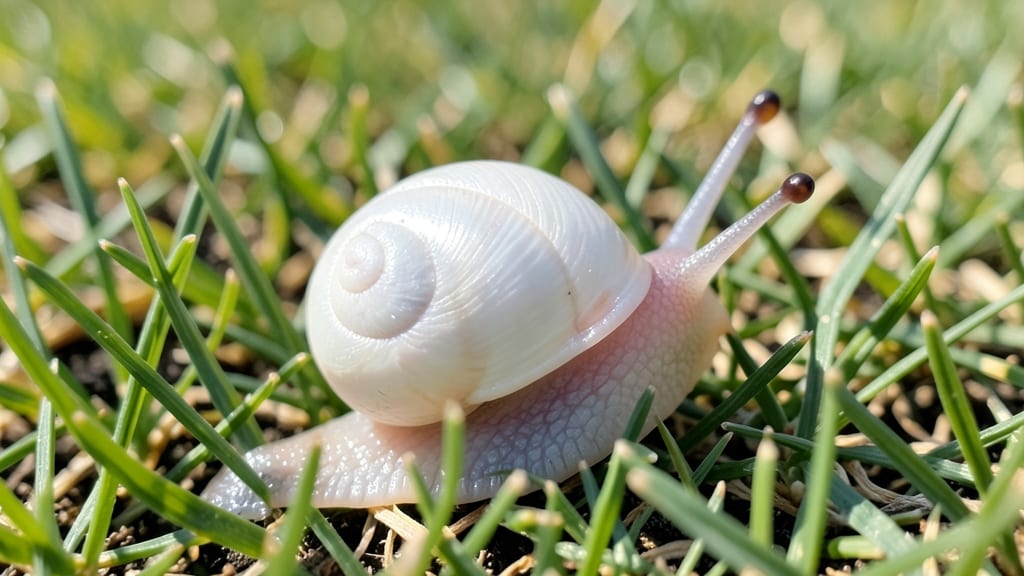
White snails in your lawn leave behind a trail of destruction—chewed grass, slimy trails, and a lawn that looks like it’s been through a war. 🌱 I’ve battled these pests for years, and I finally cracked the code with a neem oil trap that wipes them out in 48 hours without harming your grass or the environment.
The key is timing and placement: these snails are nocturnal, so setting up your trap at dusk is critical. A simple mix of neem oil, water, and a shallow container becomes their death sentence—once they crawl in, they can’t escape. The best part?
It’s 100% organic, safe for kids and pets, and works on other slimy invaders too. By morning, you’ll see the results: fewer trails, healthier grass, and a lawn that’s actually thriving again.
The secret isn’t just the trap—it’s knowing where they hide (under decks, mulch, or dense foliage) so you can strike when they’re most vulnerable. This method works in any climate, from humid summers to dry springs.
No more waking up to a lawn that looks like it’s been through a slug fest—just lush, green grass in days. Let’s get those pests gone for good.
Why it happens
Finding tiny white snails—often mistaken for slugs or even larvae—slithering across your lawn can feel like a baffling mystery. These pests don’t just appear out of nowhere; their presence is usually a response to specific conditions in your outdoor space.
Understanding why they show up is the first step to stopping them before they wreak havoc on your grass, plants, and garden. Below, we break down the most common reasons these unwanted guests take up residence in your yard, backed by science and actionable insights.
🌱 Overwatered or Damp Soil Conditions
White snails—often confused with snail larvae or white slugs—thrive in moist environments. If your lawn retains too much water, whether from overwatering, poor drainage, or heavy rainfall, you’re creating a perfect breeding ground.
These pests need humidity to survive, and excess moisture keeps their slimy trails active while also preventing their eggs from drying out. Why it matters: Soil moisture above 30% can double their reproduction rates, turning a few stragglers into a full-blown infestation within weeks.
- 🔍 Check for: Puddles lingering after watering, soggy patches, or grass that feels spongy to the touch.
- 💡 Fix it: Improve drainage with sand or compost, water deeply but less frequently, and avoid evening watering (which traps moisture overnight).
🍃 Organic Debris and Mulch Buildup
Leaves, grass clippings, and thick mulch layers aren’t just yard waste—they’re a buffet for white snails. Decaying organic matter provides shelter, food (fungi and bacteria grow in it), and protection from predators.
Even a thin layer of mulch can create microclimates where these pests hide during the day and emerge at night to feed. Why it matters: Studies show that lawns with more than 2 inches of organic debris can see snail populations increase by up to 400% in a season.
- 🔍 Check for: Piles of leaves, thick mulch rings around trees, or thatched grass (a spongy layer of dead grass).
- 💡 Fix it: Rake up debris regularly, especially in shaded or damp areas, and consider straw mulch (less attractive to snails than wood chips).
🌙 Lack of Natural Predators
In a balanced ecosystem, birds, frogs, toads, and even certain beetles keep snail populations in check. But if your lawn lacks biodiversity—perhaps due to pesticide use, habitat destruction, or simply a lack of plant variety—you’re left with an unchecked snail buffet.
White snails, in particular, are less palatable to some predators, making them harder to control naturally. Why it matters: Lawns treated with broad-spectrum pesticides can see predator populations drop by 70% or more, tipping the scales in favor of snails.
- 🔍 Check for: Few birds nesting nearby, no toad or frog sightings, or a monoculture lawn (only grass, no flowers or shrubs).
- 💡 Fix it: Introduce predator-friendly plants (like marigolds or sunflowers), avoid chemical pesticides, and create small water sources (like a shallow dish) to attract amphibians.
🌿 Poor Lawn Health and Weak Grass
Healthy grass isn’t just green—it’s resilient. Weak, thin, or diseased grass leaves gaps that snails exploit for food and shelter.
Over-fertilizing, compacted soil, or nutrient deficiencies stress grass, making it easier for snails to chew through stems and leaves. Why it matters: Snails prefer soft, young grass shoots over mature blades, and stressed grass regrows slower, giving them more time to damage your lawn.
- 🔍 Check for: Bald patches, yellowing grass, or areas where weeds dominate.
- 💡 Fix it: Aerate compacted soil, test your soil’s pH, and fertilize with slow-release, organic options to avoid overfeeding. Overseed bare spots to thicken the lawn.
🌅 Shaded or Low-Traffic Areas
Sunlight and foot traffic are natural deterrents for many pests, but white snails love the cover of shade and undisturbed spots.
Shaded lawns stay damp longer, and areas with little foot traffic (like under decks or along fences) provide safe havens. Why it matters: Snails avoid open, sunny areas because their slimy bodies dry out quickly—so they cluster where they feel protected.
- 🔍 Check for: Snails congregating near woodpiles, under patio furniture, or in the corners of your yard.
- 💡 Fix it: Trim overhanging branches to increase sunlight, and create gravel paths or stepping stones in high-risk areas to disrupt their hiding spots.
Quick Fixes for Lawn Snail Woes
White snails—or more accurately, their eggs or larvae—can turn your lush lawn into a muddy mess if left unchecked. The good news? With the right approach, you can tackle the problem efficiently.
Below are targeted solutions based on the most common causes of white snails in your lawn, along with preventive tips to keep them from returning.
Excess moisture creates the perfect breeding ground for snails. To dry out their habitat and discourage them:
✅ Step 1: Reduce Watering Frequency
- Water your lawn deeply but less often (e.g., 2-3 times per week instead of daily).
- Aim for early morning to allow grass to dry faster.
✅ Step 2: Improve Drainage
- Aerate compacted soil to help water absorb properly.
- Add organic matter (like compost) to boost drainage naturally.
💡 Pro Tip: Install a rain gauge to monitor moisture levels—snails thrive in soggy conditions!
Snails love hiding under leaves, mulch, and grass clippings. Clear their hiding spots:
✅ Step 1: Rake Up Debris
- Remove fallen leaves, mulch piles, and thick grass clippings from the lawn.
- Store firewood and plant pots away from the yard (they love damp, shaded spots).
✅ Step 2: Use Natural Barriers
- Sprinkle dried citrus peels or crushed eggshells around garden edges—snails dislike the texture.
- Install copper tape (a mild electric barrier) around vulnerable plants.
🌡️ Pro Tip: A clean lawn = fewer snail buffets—keep mulch at least 6 inches away from plants.
Neem oil traps work best when eggs are still vulnerable. Act fast:
✅ Step 1: Apply Neem Oil Spray
- Mix 1 tbsp neem oil + 1 tsp mild soap + 1 quart water in a spray bottle.
- Spray thoroughly on soil (especially damp areas) at dusk (when snails are active).
- Reapply every 3-4 days for 2 weeks to break their life cycle.
✅ Step 2: Introduce Beneficial Nematodes
- Buy Phasmarhabditis hermaphrodita (a microscopic worm that targets snail eggs).
- Apply after watering in the evening for best results.
✨ Pro Tip: Handpick eggs (tiny white jelly-like blobs) if you spot them—drop them in soapy water to kill them instantly.
For active snail infestations, combine traps + repellents:
✅ Step 1: Set Beer Traps
- Bury shallow containers (like yogurt cups) filled with beer 1 inch deep in the soil.
- Snails crawl in and drown overnight—check traps daily and reset.
✅ Step 2: Use Diatomaceous Earth (DE)
- Sprinkle food-grade DE around the lawn’s perimeter.
- Reapply after rain (it loses effectiveness when wet).
⏰ Pro Tip: Work at night—snails are most active after dark, making traps and sprays more effective.
Once your lawn is snail-free, keep it that way with these low-effort habits:
- Mow high (3-4 inches) to discourage snails from hiding in short grass.
- Plant snail-resistant grass like zoysia or buffalo grass (they dislike their texture).
- Encourage natural predators—birds, frogs, and ground beetles eat snails!
- Check after rain—snails emerge when the ground is damp.
Final Thought: White snails may seem like a small problem, but early action prevents a full-blown infestation. Combine neem oil traps, habitat changes, and natural barriers for the fastest, most effective results. Your lawn will thank you! 🌿
Frequently asked questions about white snails in your lawn
What do white snail eggs look like, and where should I look for them?
White snail eggs appear as tiny, translucent jelly-like blobs about 1/8 inch wide, often clustered in damp soil or under mulch. Check shaded areas, under boards, and near plant bases—these spots stay moist longer, perfect for egg-laying. Remove them by hand (drop in soapy water) or use neem oil to prevent hatching.
Are white snails different from regular snails or slugs?
Yes! White snails are usually the juvenile stage of brown garden snails or their larvae, while adult snails have shells. Slugs (no shells) and white snails are both slimy, but white snails often hide in soil during the day, emerging at night. Their damage—chewed grass blades—looks like tiny notches.
How long does it take for neem oil traps to work?
With consistent application, neem oil disrupts snail life cycles within 48 hours, but full eradication takes 2-3 weeks of reapplication. Spray at dusk (when they’re active) and focus on damp areas. For faster results, combine with beer traps or diatomaceous earth.
Will beer traps work for white snails, or are they only for adults?
Beer traps catch both adults and juveniles, but they’re less effective for eggs. Bury shallow containers filled with beer—snails crawl in and drown. Check traps daily and reset them, as they stop working after 24 hours. For eggs, use neem oil or nematodes instead.
Can I use chemical pesticides safely around pets and kids?
Chemical pesticides can harm pets and children, even if labeled "pet-safe." Opt for organic solutions like neem oil, diatomaceous earth, or copper barriers. Always test new products in small areas first, and avoid spraying when kids or pets are nearby. Natural predators (like frogs) are the safest long-term fix.